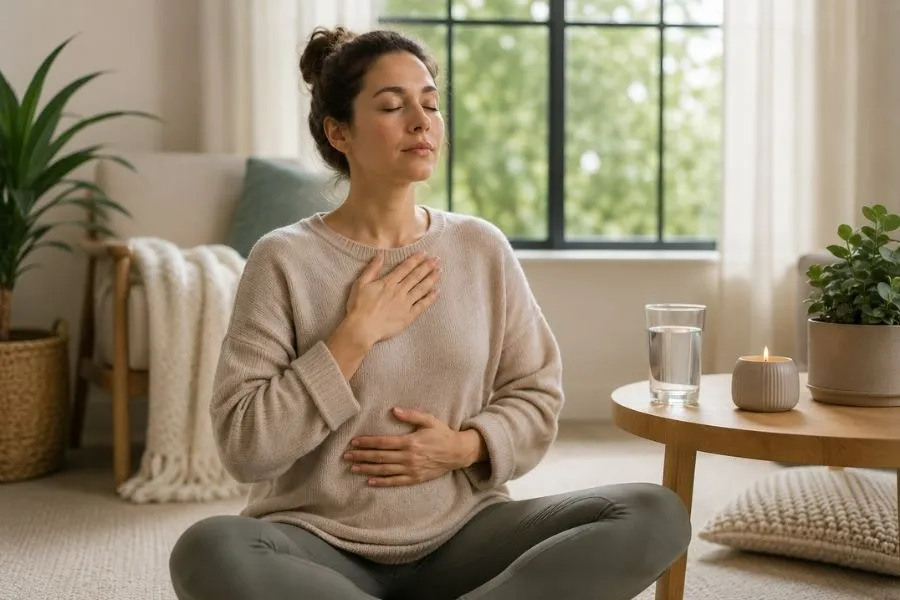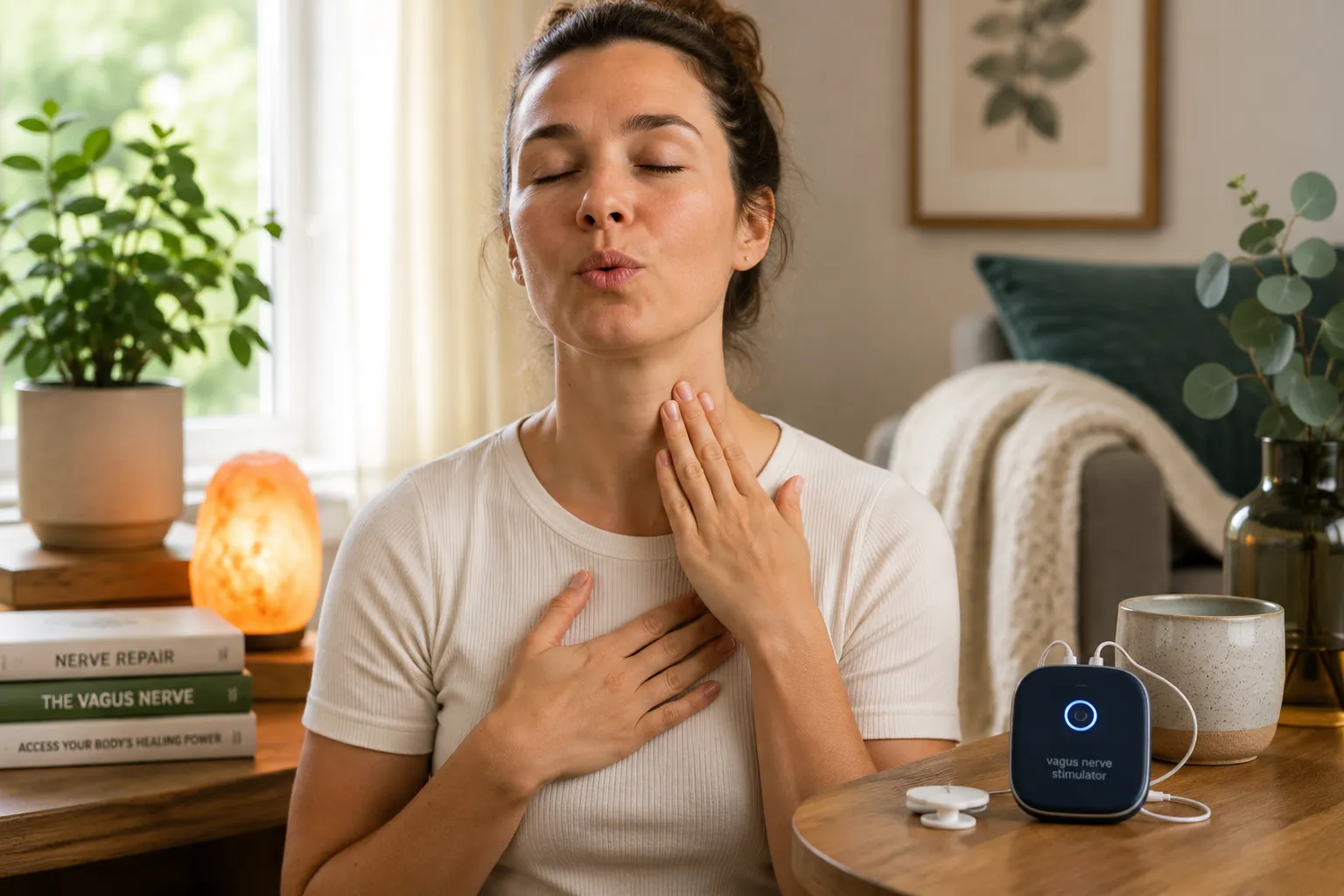
Breathing techniques sure sound fancy, but are they the real deal? Short answer: Yes, they’re legit. Let’s unpack this a bit. Across different eras and cultures, folks have been harnessing the power of breath to heal, relax, and even get a little Zen.
From yoga gurus practicing pranayama to therapists recommending diaphragmatic breathing for anxiety relief, breathwork isn’t some new fad. It has roots way back in history. These practices aren’t reserved for the mystical or the spiritual but have found their way into modern therapy techniques, helping people manage stress and improve mental clarity.
The skepticism often arises because, well, it sounds too simple. But here’s the kicker – simple doesn’t mean ineffective. People often underestimate the profound impact something as natural as breathing can have on our well-being.
Misconceptions usually spring from misunderstanding. Those skeptic comments often come from experiences that lacked proper guidance or context. Not all breathing techniques suit everyone or every situation, so it’s crucial to find what works best for you. When used appropriately, breathing techniques can be a powerful tool in your wellness arsenal.
Delving into the Science of Breathwork
While it might seem mystical, breathwork has some solid science to back it up. Numerous studies show that controlled breathing exercises can have a significant effect on our physiological state. When you breathe deeply and slowly, it can actually help switch off the body’s fight-or-flight mode, easing stress and anxiety.
Ever wonder why you feel a wave of calm after a few deep breaths? It all boils down to your body chemistry. Practicing these techniques influences your autonomic nervous system, which regulates your heart rate, blood pressure, and respiratory rate. By consciously altering your breathing, you’re essentially tricking your brain into calming down.
Neurologically speaking, breathwork can affect brain wave patterns and increase feelings of relaxation. It’s been shown to enhance parasympathetic activity, promoting relaxation and recovery. So, when someone tells you to “just breathe,” they’re giving sound advice rooted in science.
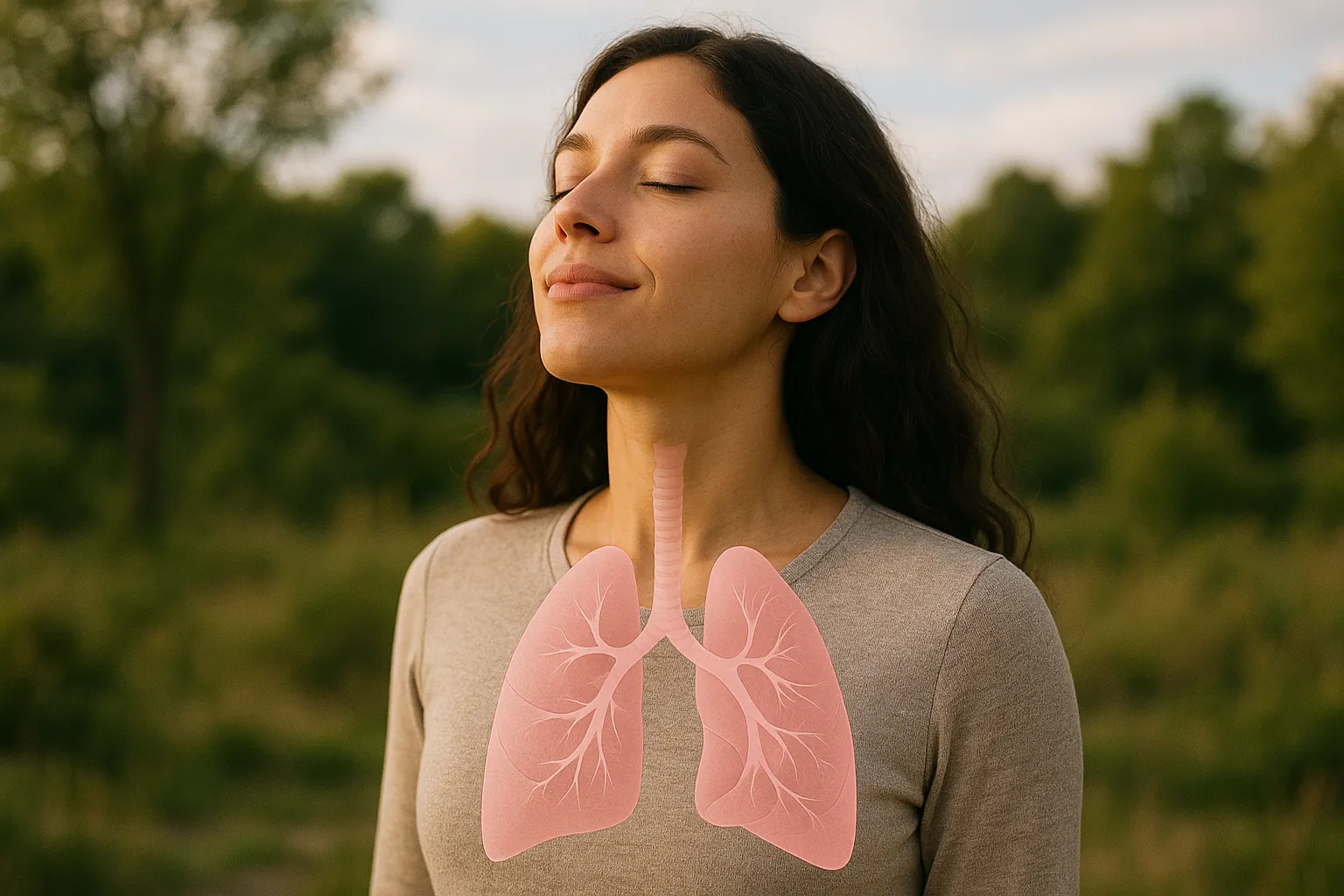
Based on various studies, breathwork isn’t just good for your mind; it benefits your physical health too. It acts like a mini workout for your respiratory muscles and helps improve lung capacity and efficiency over time.
If stress feels like your shadow, breathing techniques might just be your new favorite tool for shaking it off. While science continues to unravel all the amazing benefits, what’s clear is that the art of breathing is backed by research as a practical approach to health and wellness.
Real-Life Applications of Breathing Techniques
Breathwork isn’t just for monks meditating atop mountains. Regular people—athletes, office workers, and parents—are tapping into it every day. Whether you’re trying to ace a presentation or just get through the morning commute without losing it, these techniques come in handy.
Athletes have long known the perks of controlled breathing. It’s not just about boosting stamina; it’s about gaining focus and reducing anxiety before those big events. Think of it as a secret weapon to keep nerves in check and performance on point.
Beyond sports, professionals in high-stress environments like teaching or healthcare often rely on breathwork to maintain their cool. Those deep breaths you take before diving into a hectic day? They’re more impactful than you might think!
Breathwork doesn’t demand hours from you. It’s adaptable and can fit right into your routine. Waiting for your coffee to brew? Try some box breathing. Stuck in traffic? Practice belly breaths. It’s all about seizing those small, everyday moments for a bit of self-care.
The psychological benefits are worth noting too. Regular practice can lead to enhanced mood and better stress management. It’s like having a reset button you can press whenever you need a mental break. So, whatever you do, don’t underestimate the power of your breath!
Examining Wim Hof Breathing: Facts vs. Hype – and My Personal Experience
Wim Hof, often dubbed “The Iceman,” brought a wave of attention to breathwork with his unique approach. His method combines breathing exercises, cold exposure, and mental commitment to what many see as superhuman endurance feats.
The Wim Hof Method boils down to a specific breathing pattern aimed at boosting energy, improving mood, and enhancing focus. It starts with deep inhalations and short exhalations—something you might compare to controlled hyperventilation. This technique is typically followed by breath retention and cold therapy.
But is the method scientifically proven?
Research does give it some credit. For example, a 2014 study from Radboud University showed that people trained in the Wim Hof Method were able to influence their autonomic nervous system, resulting in reduced inflammation and improved immune responses when injected with bacterial toxins—something previously believed to be impossible.
Other studies and reports suggest that the method may help with:
- Reducing symptoms of depression and anxiety
- Lowering inflammation and pain
- Managing autoimmune conditions
- Improving sleep and energy levels
- Enhancing circulation and focus
While science does support some claims, it’s essential to note that not everything has conclusive evidence yet. Skeptics point out that more research is needed, especially in understanding long-term effects and broader applications.
That said, despite mixed opinions, the method has gained a cult following. Whether it’s a miracle or just a powerful motivation booster, its impact on the wellness community is undeniable. Countless individuals swear by its benefits—and I’m one of them.
My Personal Journey with the Wim Hof Method
I am currently doing the Wim Hof Method and absolutely love it. I’ve experienced huge success—both mentally and physically. The breathing, cold showers, and mindset training have helped me feel stronger, calmer, and more in tune with myself.
If anyone wants to ask me about Wim or the method, I can honestly say: I only have good things to share. Not only has it worked for me, but I truly admire Wim Hof as a person and everything he has accomplished. He’s someone who dares to push the limits of what we think is possible—and shows others how to do the same.
One of my goals is to plan a trip one day to attend one of his retreats or events and try out his method in person with a community of others. That would be a dream come true.
So, is it hype or healing? Based on my own experience—it’s real, and it works. Whether you’re skeptical or curious, I’d say it’s absolutely worth trying.
Would you like me to help you translate this into Danish as well? Or would you like a shorter or more formal version too?
The Tactical Use of Box Breathing by Navy SEALs
Box breathing, a technique championed by Navy SEALs, exemplifies breathing’s power under pressure. This straightforward yet potent method involves inhaling, holding, exhaling, and pausing on repeat, all for equal lengths of time.
Why do Navy SEALs swear by it? It’s all about maintaining peak composure when the stakes are sky-high. By regulating their breath, these elite warriors can stabilize their heart rates, enhance their focus, and keep stress in check. Sounds like something we could all use, right?
Box breathing isn’t exclusive to battlefield scenarios. It’s finding a place in civilian life too. Picture this: a stressful day at work or during an anxious moment where you just need to collect your thoughts. Taking a few minutes for box breathing can help you regain your mental footing.
This technique’s beauty lies in its simplicity and versatility. Anyone can practice it anywhere, from a park bench to a conference room before a big meeting. Its adaptability makes it a go-to for those seeking a quick way to de-stress.
Whether you’re looking to sharpen your mental focus or just need a mid-day reset, box breathing could be the trick up your sleeve. It’s a reminder that sometimes, the solutions to our stressors can be as simple as breathing a bit more mindfully.
You might also want to read:
Guided Breathing Techniques For Beginners
Exploring The Wellness Benefits Of Wim Hof Method
Breathing Hacks: The Secret To Better Health
Follow us at Facebook
About The Author