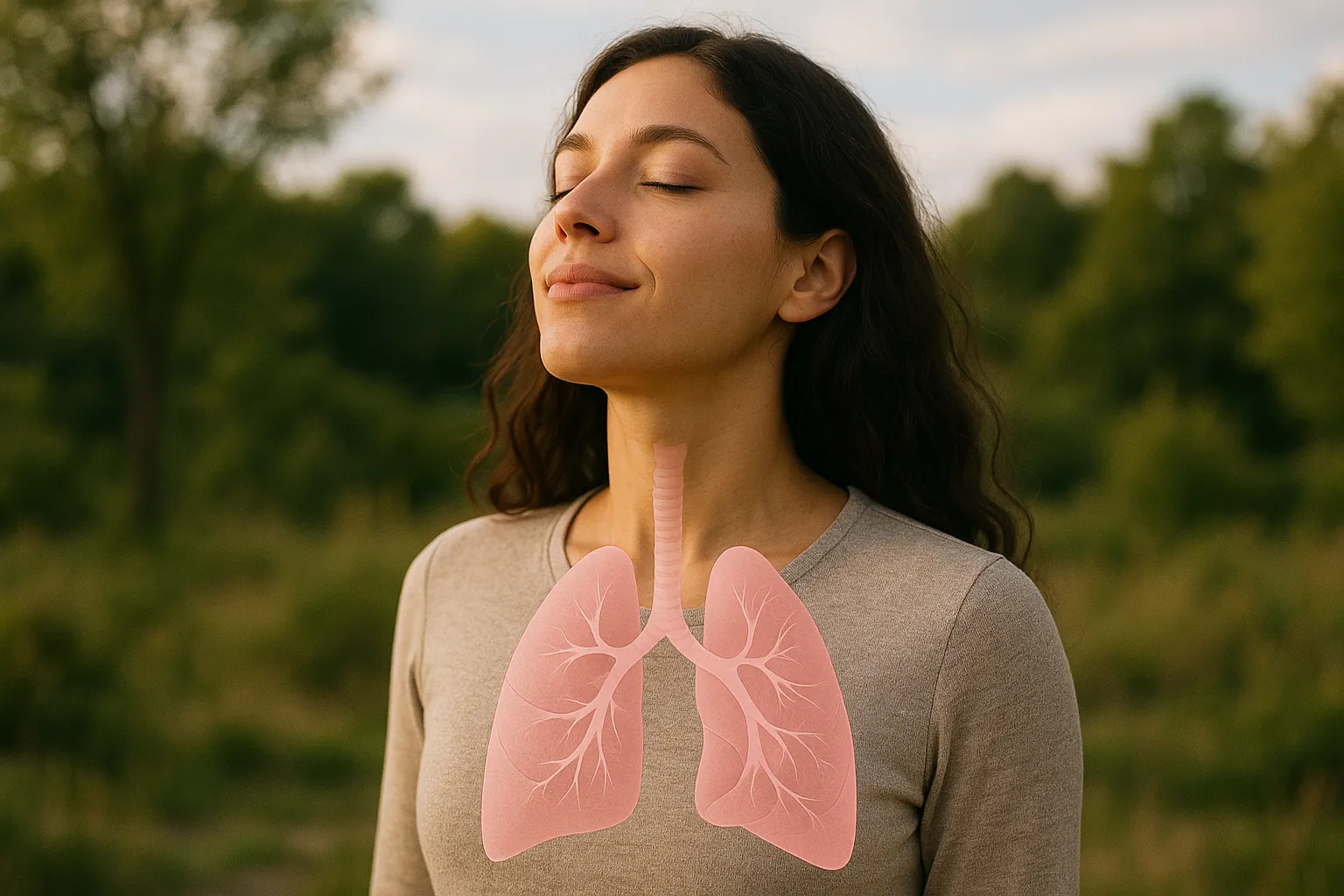
Asthma can feel like a puzzle sometimes. It’s a chronic condition that messes with your airways, making them swell up and tighten. This can make breathing hard at times, like trying to suck air through a straw that just keeps getting smaller.
People with asthma have those super sensitive airways that react to a bunch of stuff that doesn’t bug others. If you ever find yourself wheezing, coughing, struggling for air, or experiencing a tight feeling in your chest, it’s a good idea to get checked out. These are common symptoms of asthma.
Asthma attacks can be triggered by a wild range of things like pollen, dust mites, pet fur, exercise, and even stress. Environmental factors like pollution or smoke can also kickstart an attack. Sometimes, what sets one person off is different from the next, so knowing your personal triggers is key.
The tricky thing is, asthma isn’t a one-size-fits-all deal. Some people have a mild cough that bugs them at night, while others might find themselves gasping for air during physical activity. There’s exercise-induced asthma, allergic asthma, and non-allergic asthma, each with its own quirks to manage.
How To Improve Lung Function: Natural Techniques for Boosting Lung Function
Breathing exercises are like a workout for your lungs, and there are a few techniques that can really help improve how you breathe. Diaphragmatic breathing, also known as belly breathing, is a good starting point. It focuses on strengthening your diaphragm, which lets you take deeper, more efficient breaths.
Ever tried yoga? It’s more than just stretching. Specific yoga poses can actually enhance your respiratory health, improving airflow and calmness. Think of poses like the ‘bridge’ or ‘cobra’ which open up your chest and help your lungs work better.
What you eat can make a real difference too. Foods rich in antioxidants, like berries and leafy greens, help reduce inflammation and keep your airways clear. Omega-3 fatty acids from fish or flaxseeds might also have a calming effect on your airway walls.
Being active improves your lung function over time, even if it feels like a challenge at first. Start with activities that match your comfort level and gradually increase their intensity. Consistency is crucial, and the benefits to your lung capacity and overall health are definitely worth it.
Herbs and Supplements: Nature’s Respiratory Aids
There’s something about nature’s remedies that just hits differently. When it comes to easing asthma symptoms, herbs can be pretty useful. Things like ginger and turmeric are known for their anti-inflammatory properties, and they might help calm those irritable airways.
Supplements like magnesium and vitamin D have also been found to play a role in respiratory health. Magnesium can help relax the muscles around your airways, making it easier to breathe. Meanwhile, vitamin D supports your immune system, which can be beneficial if you’re dealing with asthma.
It’s important to integrate these natural aids thoughtfully into your routine. Before you start, it’s a smart move to chat with your healthcare provider to avoid any mix-ups with current medications.
Despite the allure of herbs and supplements, remember they’re complementary aids, not substitutes for prescribed medication. They can support your asthma management plan, but it’s best handled along with advice from your doctor.
Creating an Asthma-Friendly Environment
Crafting a home and lifestyle that makes it easy to breathe is a game-changer for managing asthma. Start with identifying triggers around you, like dust, pet dander, and strong odors. Once you know the usual suspects, you can take steps to minimize them.
Investing in air purifiers can really help to keep your home’s air clean. There are even smart models out there that can detect pollutants and adjust settings automatically. They’re a nifty addition to maintaining a breathable environment.
Allergies often go hand-in-hand with asthma, so managing them is crucial. Simple changes, like using hypoallergenic bedding and vacuuming regularly with a HEPA filter, can keep allergens at bay and help your lungs feel a bit happier.
Stress can get anyone wound up in knots, but for people with asthma, it can lead to flare-ups. Learning stress-management techniques like mindfulness or meditation not only improves your overall well-being but can also prevent stress-induced asthma attacks.
also know about:
Simple Breathing Techniques For Anxiety
Nasal Vs. Mouth Breathing: Pros And Cons
follow us on social Facebook
About The Author