




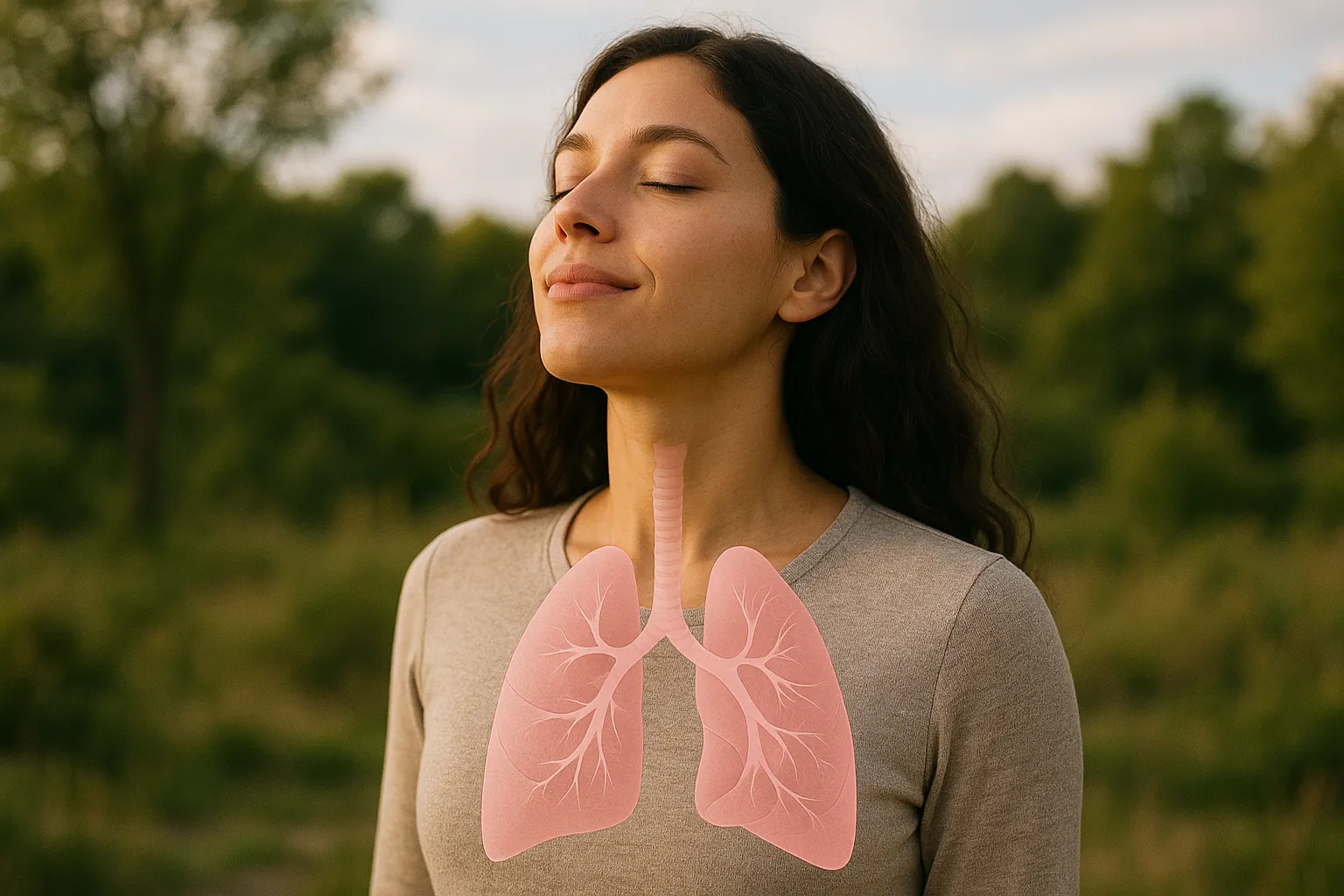

Pranayama, straight out of the ancient yogic traditions of India, hones in on the art of controlled breath. It’s all about tapping into the mind via the dynamics of inhaling and exhaling. According to historical accounts, this practice has been around for over 5,000 years, making it as timeless as it is essential.
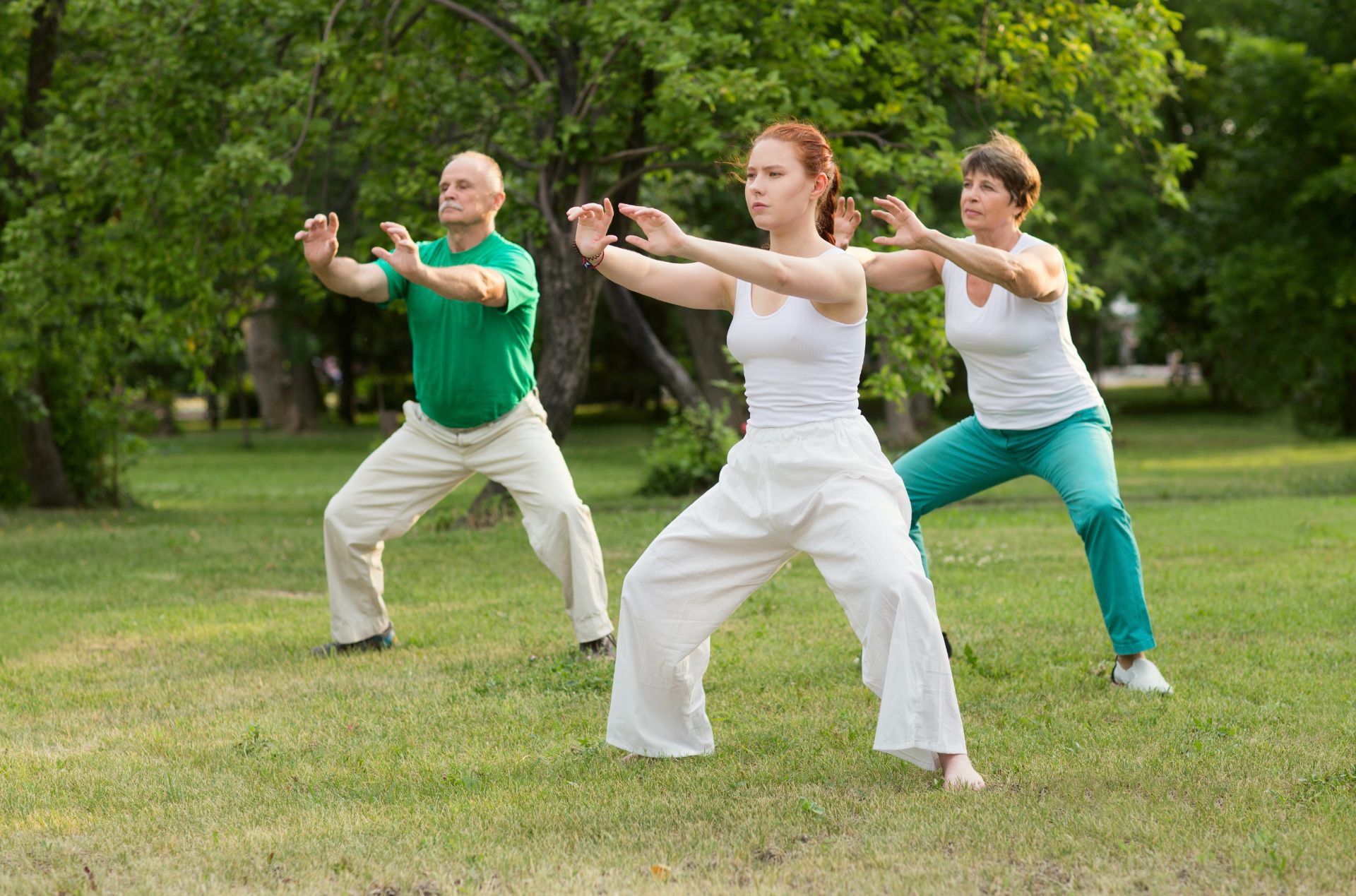
Venture over to China, and Tai Chi comes into play, with a rich history dating back to the Ming dynasty, around the 12th century. Tai Chi breathwork forms the backbone of gentle, flowing movements. This practice is often seen as moving meditation, using breath to steer and support each movement.
Breath control stands as a crucial pillar in both pranayama and Tai Chi, though they manifest in quite distinct ways. While pranayama zeros in on varied techniques to manipulate breath for greater mindfulness and health, Tai Chi breathwork aligns with movement, ensuring harmony and balance during practice.
Now, about the age-old question: which is older, Tai Chi or yoga? Well, yoga has the upper hand in terms of age. It has deep roots that extend back to several millennia in India, while Tai Chi is relatively younger when stacked up against yoga’s profound history. Understanding these timelines underscores how ancient wisdom has converged into these modern practices.
The Technique and Practice of Pranayama
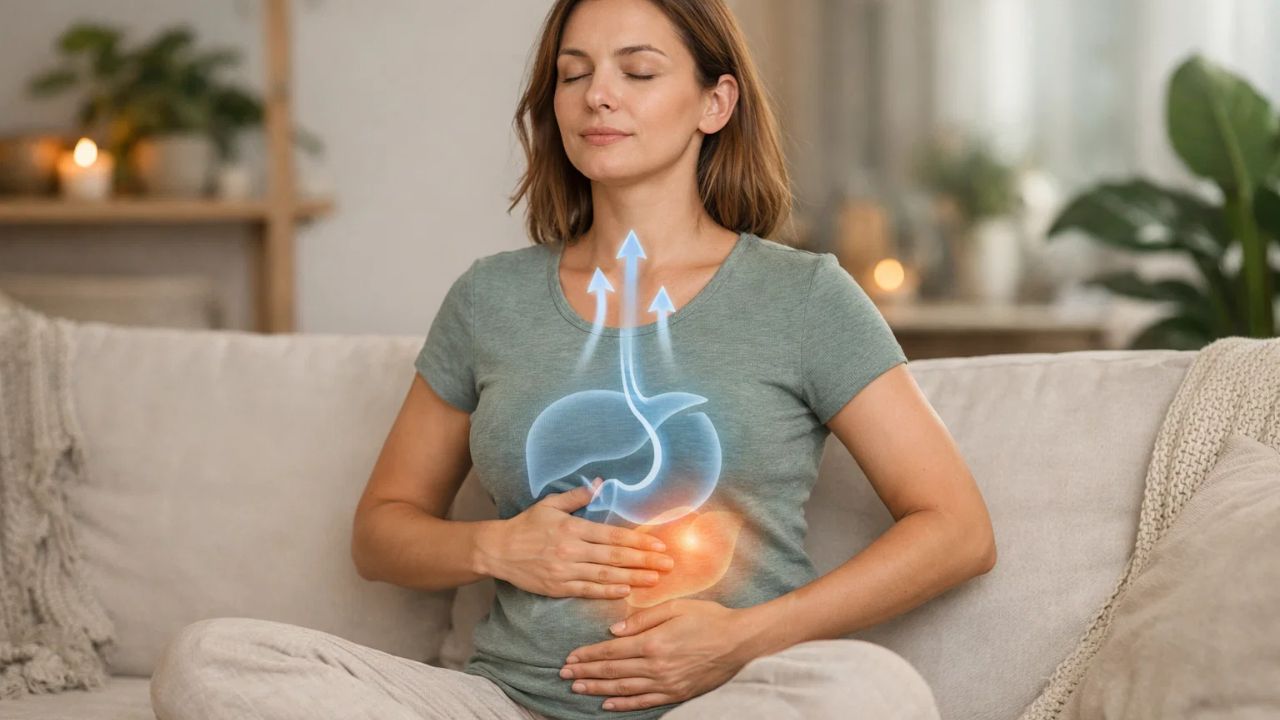
Pranayama is all about mastering the nuances of breathing. It uses a plethora of techniques designed to refine focus and boost health. Imagine varying your breath to either ramp up or cool down your mind and body. There’s alternate nostril breathing, which is super popular for balancing the mind, or the Kapalabhati that invigorates with short, powerful exhalations.
Diving into pranayama, you find it’s not just pulling air in and out. It’s a gateway to heightened consciousness through disciplined breath control. Integrating these techniques into daily routines can help one not only reduce stress but also improve overall lung capacity and mental clarity.
A big question: What’s the key difference between pranayama and generic breathwork? Well, pranayama is rooted in the yoga ethos with its spiritual depth and structured methodology. Breathwork in general can be broader, sometimes focusing purely on physical relaxation or emotional release without that ancient yogic lens.
Exploring these varied pranayama techniques ensures a deeper connection to one’s inner self, encouraging personal growth and inner peace. As different techniques serve different purposes, finding the right fit is about understanding individual needs and goals. Whether you’re seeking tranquility or a burst of energy, pranayama offers a suite of options to explore.
The Essence of Tai Chi Breathing
Tai Chi breathing is integral to the graceful, artful practice of Tai Chi itself. It’s not just about the movements—it’s how the breath syncs up with those gentle waves, creating a flow that’s almost hypnotic. Think of it as letting your breath conduct an orchestra of smooth, calm energy within you.
With each movement in Tai Chi, breathing isn’t just an afterthought—it’s the main event. Deep, diaphragmatic breaths coordinate with every flow and form, enhancing balance and stability. This brings focus to even the smallest gesture, whether in a slow push or a soft turn. It’s all about finding harmony.
The meditative nature of Tai Chi is amplified through its breathing techniques, making it almost like an active meditation. As breath steers the practice, the mind calms, allowing for an internal workout where stress and tension have no invitation.
So, let’s tackle the idea: Does Tai Chi focus on breathing? Absolutely. Breath isn’t just a piece of the puzzle—it’s the glue holding everything together. It powers the form and provides the serenity that draws so many to this practice. Each breath guides movement, ensuring that the body is constantly supported.
For those eager to find a new balance between mind and body, Tai Chi and its breath-centered technique offer a path worth treading. Give it a go; you might find a calm and focus you didn’t know was possible.
Comparative Benefits of Yoga and Tai Chi
Exploring the benefits, both yoga and Tai Chi pack a punch. They’re like two different sides of the same coin, each offering unique perks crafted for wellness enthusiasts. On one hand, yoga, with its pranayama, is a powerhouse for boosting flexibility and core strength while dialing down stress through mindful breathwork.
Tai Chi really shines when it comes to balance and joint health. Its slow, deliberate motions make it a fantastic low-impact exercise, making it ideal for people across all age brackets. Breathing in Tai Chi isn’t just about relaxation—it’s a tool for cultivating inner peace and boosting overall vitality.
Comparing the mental and emotional lift from both practices, yoga often encourages reflection and spiritual growth through its diverse asanas and meditative breathing. Meanwhile, Tai Chi leans heavily into the meditative flow, which can clear the mind and ground you in the present like nothing else.
A common question that comes up: which is more beneficial, yoga or Tai Chi? Well, it largely depends on your personal goals. Need to stretch and tone while finding zen? Yoga’s got your back. Want a gentle yet effective way to enhance your balance and movement? Tai Chi might be the ideal pick.
Look at testimonials. People from different walks of life praise both disciplines, emphasizing improvements in mental clarity, emotional calmness, and physical health. At the end of the day, whether you sway towards yoga or Tai Chi, both paths lead to enhanced well-being.
Choosing the Right Practice for You
Picking between pranayama-infused yoga or flowy Tai Chi depends a lot on what you’re aiming to achieve. Honing in on what feels right for your lifestyle and goals is key.
Understand what you’re hoping to gain. Yoga, with its rich tapestry of poses and breathwork, is ideal if you’re looking to boost flexibility and strength. Meanwhile, Tai Chi offers gentle yet effective movements perfect for improving balance and minimizing stress.
Consider your current fitness level and needs. Yoga and its various forms can be dynamic or calm, catering to anyone from a seasoned yogi to a beginner. Tai Chi, being a low-impact, slow-paced practice, suits those looking for a soft exercise regime.
Don’t shy away from trying out both. Experimentation can lead to discovering which practice resonates better with your personal rhythm, potentially unlocking benefits you didn’t anticipate.
The bottom line is to encourage exploration. Both pranayama and Tai Chi offer enriching experiences that enhance well-being. Embrace the journey to a more mindful and balanced state of being, finding what truly speaks to you.
You might also want to read:
Introduction To Pranayama: Ancient Breathing Practice
Swimming: The Underrated Workout For Expanding Lung Capacity
Understanding Asthma: How To Improve Lung Function Naturally
Follow us at Facebook
About The Author
