







Deep breathing has been around for ages, popping up in different cultures with their own unique twists. From yoga practices tracing back to ancient India to breath-focused meditation in Taoism, these techniques have a rich heritage that’s worth exploring.
So how does deep breathing actually work its magic? When you’re stressed, your body kicks into the ‘fight or flight’ mode. Deep breathing helps flip that switch, calming your system by triggering a relaxation response. It slows things down, lowering heart rate and blood pressure, effectively telling your body that everything’s gonna be alright.
With our jam-packed schedules and constant notifications buzzing from every device, it’s no wonder stress levels are through the roof these days. Here’s where deep breathing steps in, offering a quick and effective way to combat the chaos. People are turning back to this age-old practice to regain control over their mental state.
Take it from Jane, a software engineer who found herself overwhelmed by work pressure. After trying deep breathing, she noticed a marked reduction in her stress and anxiety levels. Her story isn’t unique—countless others have experienced similar transformations by incorporating this practice into their daily lives.
The Physiological Impact of Deep Breathing: What Happens Inside Your Body?
When you’re feeling stressed, it’s your nervous system that’s running the show. Normally it reacts to stress by amping up the ‘fight or flight’ response, but deep breathing can soothe this, shifting you into ‘rest and digest’ mode. Breathing deeply activates this calming effect, letting your body relax naturally.
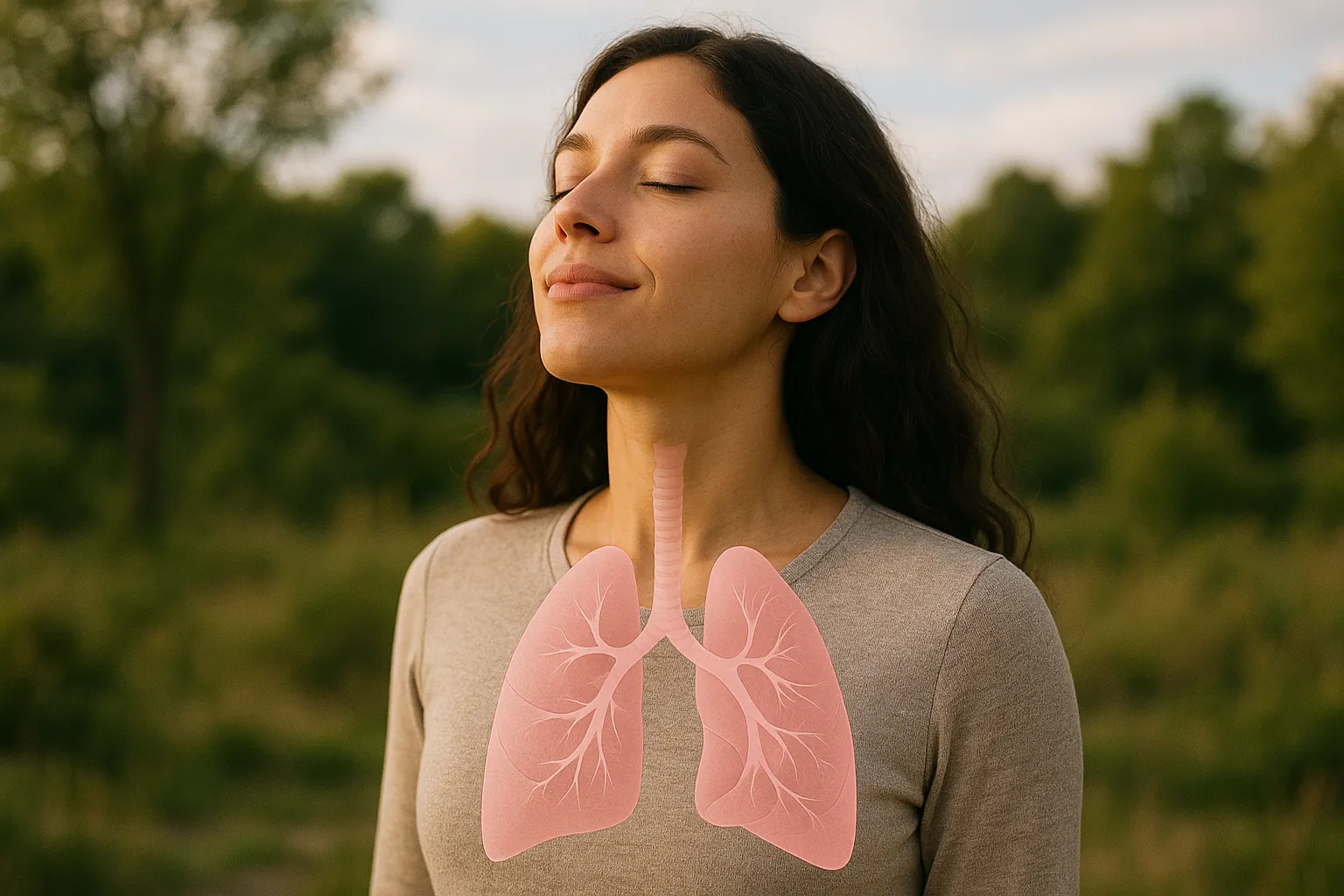
Your lungs get a big boost from deep breathing too. It helps expand lung capacity, making every breath count. You’re basically giving your lungs a workout, promoting better respiratory health.
And get this—more oxygen makes its way to your brain when you slow down your breaths. You’ll notice clearer thinking and maybe even a pep in your mental step as those oxygen levels rise.
It’s not just your head that benefits. Your heart gets some love too. By practicing deep breathing, the stress hormone cortisol is kept in check, and your heart paces itself better under pressure. Over time, this simple practice helps improve overall cardiovascular health.
Navigating the Mind: Deep Breathing for Emotional and Mental Clarity
Tackling anxiety and depression can feel like a never-ending battle, but deep breathing is here to help. By slowing down and focusing on your breath, you can ease the mental fog and tension that come with these emotions. It’s all about creating that internal calm when the world’s getting too loud.
Boosting focus and creativity seems like grabbing an extra coffee away, but it could be a mindful breath. Deep breathing helps clear distractions, allowing your mind to wander freely and generate fresh ideas without interruption. Whether writing that report or brainstorming the next big thing, letting your breath guide can enhance productivity.
Mindfulness and meditation practices often highlight the power of breathwork, underscoring its ability to center us. Deep breathing forms a sturdy bridge to mindful living, emphasizing staying present and finding peace amidst the chaos.
Therapists and mental health professionals consistently endorse breathwork techniques as an accessible tool for emotional regulation. They’ve seen firsthand how something as simple as proper breathing can transform their clients’ ability to cope with stress.
Incorporating Deep Breathing into Your Daily Routine: Practical Tips and Exercises
Making deep breathing a part of your daily life need not be complicated. Start with small steps—grab a comfy spot and settle in. Take slow, deliberate breaths, filling your lungs and feeling that calming rhythm.
Creating the right environment can work wonders. Think dim lighting, maybe some calming tunes. It’s about setting a scene where you can let go and focus on breathing without distractions.
Bringing deep breathing to workplaces and schools can spark collective wellbeing. Imagine taking a break from screens to breathe deeply with colleagues or classmates, giving everyone a moment to regroup and refocus.
There’s a whole world of apps and online resources to guide you on this journey. From simple timers to guided exercises, the right tool can offer the support you need to stick with it. Whether you share this experience with others or explore it alone, the key is consistency and the willingness to make time for yourself regularly.
Also Know About:
The Science Behind Breathing: How It Affects Your Body And Mind
follow us on social Facebook
About The Author
