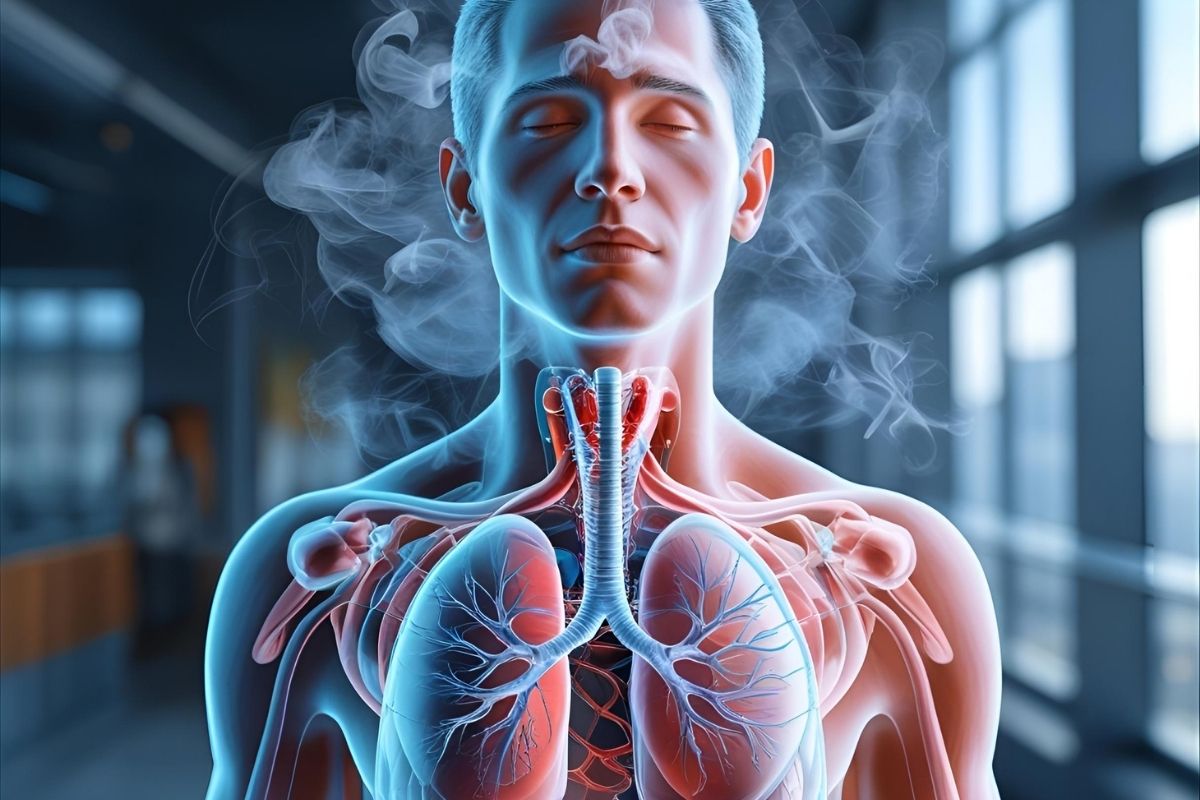

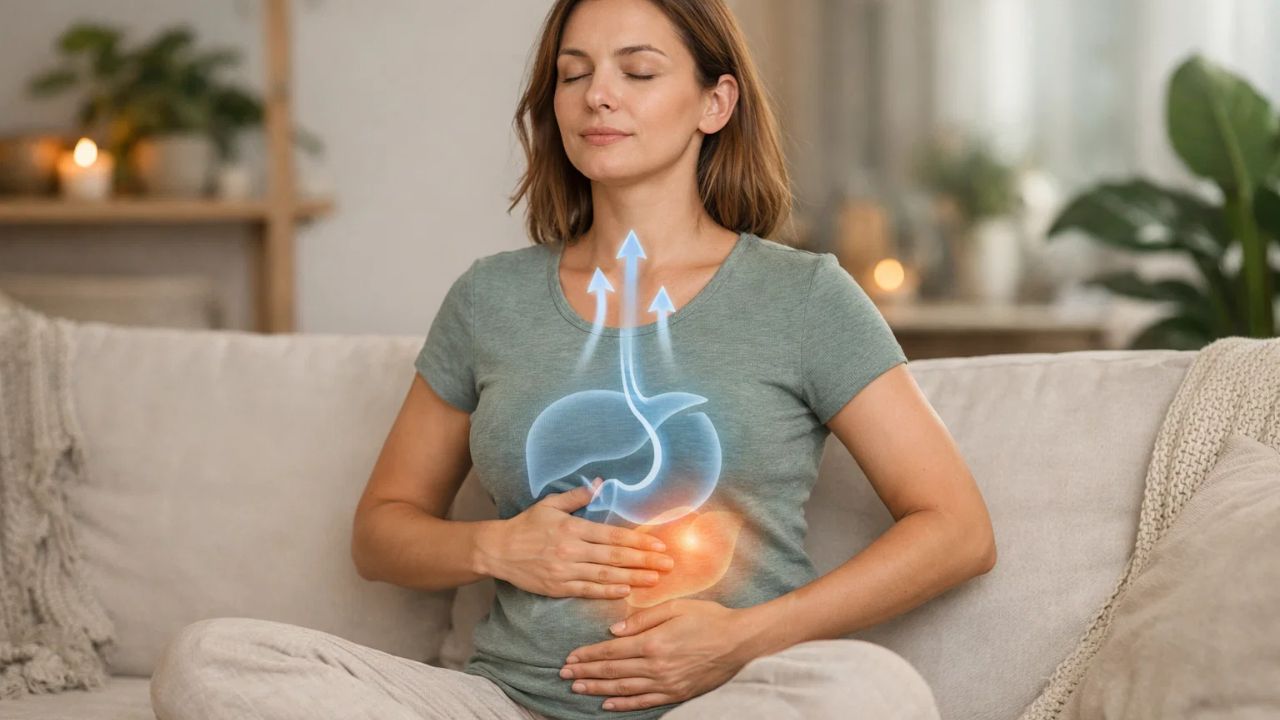





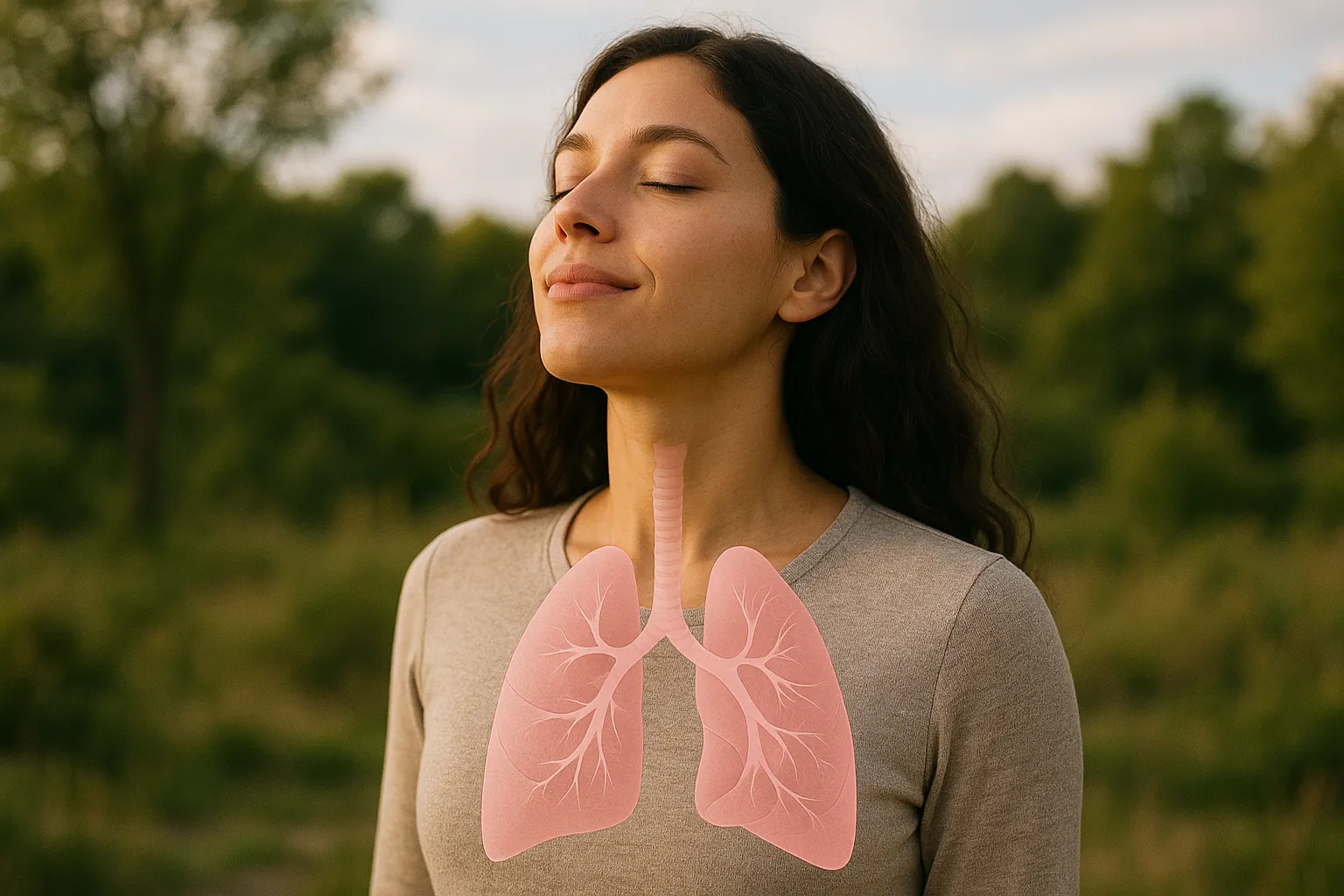

Breathing might seem like a simple, automatic process, but there’s a lot more going on under the hood than just in and out. Imagine inhaling deeply and sending fresh oxygen down to your lungs, all orchestrated by a team of body parts working together. From your nostrils to the tiny alveoli in your lungs, every component plays a crucial role.
Let’s break it down. Starting at the nose, air travels through the trachea, branching off into bronchi, and then the bronchioles until finally reaching the alveoli. Think of this network like an intricate freeway system, designed just for air. The alveoli are where the magic happens—this is where oxygen slips into your blood, and carbon dioxide gets the boot.
The real stars of breath control are the diaphragm and intercostal muscles. Picture your lungs as flexible balloons. Inhale, and the diaphragm contracts to make space, while those intercostal muscles help lift and expand your chest. This team effort creates a vacuum that pulls in air effortlessly. Exhaling is just as clever, with everything relaxing and air slipping away.
Activity levels and emotions can stir things up, too. Ever noticed how your breathing changes when you’re hitting the gym, stressed, or even just chilling? It’s your body’s way of syncing up with what’s happening around and inside you. Understanding these rhythms can help you make better choices about when to push hard physically or when to embrace relaxation.
Breath and Its Impact on Physical Health
Breathing isn’t just about getting oxygen; it’s also about keeping your heart in great shape. Oxygen plays a key role in heart function, feeding the heart with what it needs to keep pumping strong. More efficient breathing means your heart doesn’t have to work overtime, helping maintain healthier blood pressure and circulation.
For those dealing with chronic breathing issues like asthma or COPD, it’s a whole different ball game. Breathing challenges can put stress on the body, making everyday tasks tougher. It’s vital to understand how these conditions change the way our bodies utilize oxygen and how that can have a ripple effect on overall health.
Ever thought about how your breathing might be linked to your immune system? Yep, there’s a connection there too. Adequate oxygen supply helps in forming and transporting immune cells and other compounds throughout the body. This translates to better defense against nasty invaders trying to bring you down.
Boosting your lung capacity and efficiency isn’t out of reach. Simple techniques like regular aerobic exercises, swimming, or even squeezing in some quick deep-breathing exercises can make a notable difference. A more robust respiratory system not only supports strenuous physical activities but also aids in quicker recovery after them.
The Psychological Influence of Breathing
Breathing deeply isn’t just a physical act; it has a profound effect on our mind too. How we breathe can change how we feel, making it a nifty tool for handling stress and keeping anxiety at bay. When life’s pressures start to pile up, taking a moment to focus on breathing might just be the trick to calming those nerves.
Have you ever found yourself taking deep breaths just before a big presentation or exam? It’s not just a habit—there’s science Behind Breathing backing the benefit of using breath to regulate emotions. A few mindful breaths can lower your heart rate and blood pressure, turning down the volume on panic and setting a calmer state of mind.
Practices like breath-focused meditation or mindfulness are gaining traction for a reason. When you focus on breathing, you’re centering your thoughts, letting go of distractions, and achieving mental clarity. Over time, this can improve your overall response to stress, leading to a more balanced and resilient emotional state.
Changing up your breathing can also sharpen mental focus. Speed it up a bit, and you’re instantly more alert, ready to tackle that to-do list with gusto. Taking long, slow breaths can help when you need to concentrate deeply on a complex problem. It’s like switching gears in your head, aligning your thoughts with the task at hand.
Science Behind Breathing: Breathing Practices for Optimal Well-being
Exploring techniques like yoga and pranayama can take your breathing game to the next level. These practices focus on breath control, helping to foster greater awareness and intentionality in breathing. Engaging regularly in these exercises can pave the way to a more relaxed and balanced state of being.
Ever heard of controlled breathing exercises for relaxation? They’re real game-changers. Practicing slow, measured breaths can help melt away tension and usher in a sense of calm. It’s like giving your mind a mini-vacation without leaving your chair.
Daily life gets busy, but finding time for simple breathing practices can keep your energy levels up. Something as easy as deep breathing in through your nose and out through your mouth for a couple of minutes can invigorate the senses and get your day back on track.
Incorporating breathing practices into daily routines isn’t a big leap. Start by setting aside a few minutes each day, maybe in the morning or before hitting the sack, to focus on your breath. Consistency is key, and soon these moments become a natural part of maintaining your overall health.
Also Know About:
Exploring The Wellness Benefits Of Wim Hof Method
The Role Of Oxygen In Detoxifying The Human Body
Box Breathing Vs. 4-7-8 Relaxation Technique
follow us on Facebook
About The Author
