







The Health Benefits Of Mullein: A Comprehensive Guide from a Survivor’s Perspective
When I was diagnosed with lung cancer and underwent a lobectomy to remove the lower lobe of my right lung, my relationship with breathing changed forever. In the months following surgery, “lung health” wasn’t just a concept—it was my daily battle.
In my search for natural allies to support my remaining lung tissue, I discovered Mullein (Verbascum thapsus). Often dismissed as a roadside weed, this “ancient torch” has become a cornerstone of my wellness routine at Breathful Living.
Quick Summary: Top 5 Benefits of Mullein
If you are short on breath or time, here is why Mullein is a “must-have” for your herbal cupboard:
- Expectorant Power: Helps loosen and clear trapped mucus from the lungs.
- Soothing Demulcent: Coats the throat and bronchial tubes to calm dry, “scratchy” coughs.
- Anti-Inflammatory: Reduces swelling in the airways, making it a favorite for asthma and bronchitis support.
- Lung Detox: Frequently used to soothe the lungs of former smokers or those exposed to pollution.
- Antibacterial: Mullein oil is a time-tested remedy for earaches and skin irritations.
Mullein: The “Lung Herb” with a Storied Past
Mullein has been a trusted ally for healers across cultures and centuries. The ancient Greeks, led by the physician Dioscorides, praised its ability to soothe the lungs nearly 2,000 years ago.
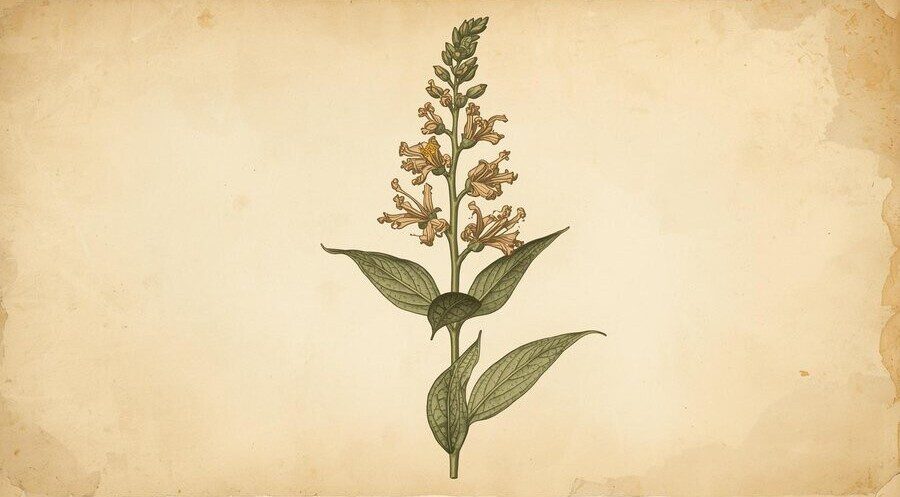
Mullein (Verbascum thapsus) is one of those plants you may have passed by many times without giving a second thought. Tall, with a candle-like stalk, fuzzy silver-green leaves, and clusters of small yellow flowers, mullein looks more like a roadside weed than a healing ally. For farmers, it has often been seen as an intruder in their fields. But for healers across cultures and centuries, mullein has been a trusted plant with remarkable properties.
Today, mullein is enjoying a renaissance. Herbalists, naturopaths, and wellness enthusiasts call it the “lung herb” because of its well-documented reputation for soothing coughs, loosening mucus, and calming irritated airways. Yet mullein’s benefits go far beyond the lungs. It has been used for skin irritations, digestive comfort, and even emotional well-being. To understand why mullein has become such a staple in natural wellness practices, we need to explore its history, composition, and many practical uses.
The History and Folklore of Mullein

In my own research, I found comfort in its folklore. Known as “Hag’s Taper” or “Torches of the Poor,” its tall stalks were once dipped in wax to provide light. For me, Mullein represents that same light—a way to find your way back to health when things feel “heavy” in the chest.
Mullein has a history that reaches back thousands of years, weaving together practical use, medicine, and folklore.
The ancient Greeks described mullein as a plant for respiratory health, noting its effectiveness for coughs and lung complaints. Dioscorides, a physician in the first century, praised its ability to soothe the lungs. The Romans called it candelaria, reflecting one of its more unusual uses: torches. Dried mullein stalks, when dipped in animal fat or wax, burned brightly and became known as “torches of the poor.”
In medieval Europe, mullein leaves were sometimes dried and used as lamp wicks. Others lined their shoes with the soft leaves during harsh winters, appreciating their warmth and cushion. Folklore gave it mystical significance. In parts of England, it was known as “hag’s taper,” thought to ward off evil spirits when burned. Its tall, candle-like shape reinforced its image as a plant of light and protection.
When Europeans came to the Americas, they found that Native American tribes also valued mullein. The Cherokee brewed mullein tea for asthma and bronchitis, while the Navajo used it ceremonially, smoking the dried leaves to clear lung congestion. Early settlers quickly adopted these practices, blending European and Native knowledge. In fact, mullein spread so thoroughly in North America that many considered it a native species.
What is striking is how cultures separated by oceans and centuries reached the same conclusion: mullein is one of the most reliable herbs for soothing the lungs and calming inflammation.
What Makes Mullein So Special? The Nutritional Profile
To understand why Mullein works, we have to look at its phytochemical makeup. As someone who had to learn the mechanics of my lungs post-surgery, I appreciate the science behind the plant:
- Mucilage: A gel-like substance that coats irritated tissues. It works like a soothing blanket for your respiratory system.
- Saponins: These are the “movers.” They help thin out phlegm, making it easier to cough up and clear out.
- Flavonoids: Powerful antioxidants that protect your cells from oxidative stress—crucial for anyone recovering from a respiratory illness.
- Vitamin C: Supports the immune system and helps the body recover from infections such as colds.
- Magnesium: Important for muscle and nerve function, including the relaxation of the bronchial muscles.
Together, these compounds explain why mullein is so versatile. It doesn’t just mask symptoms. Instead, it works with the body to reduce irritation, improve mucus clearance, and calm inflammation.

Mullein and Respiratory Health: Why I Use It
Because I live with reduced lung capacity, I am hyper-aware of congestion. Mullein acts in three distinct ways that are vital for respiratory maintenance:
1. Mullein for Coughs
If my remaining lung feels irritated, I turn to Mullein tea. It handles both dry, unproductive coughs (by soothing the tickle) and “wet” coughs (by helping clear the mucus).
2. Asthma and Bronchitis Support
While Mullein is not a replacement for my medical inhalers, its anti-inflammatory properties help ease that “clogged” feeling. It helps open the airways gently, allowing for the “full breaths” I advocate for here at Breathful Living.
3. The “Lung Detox”
This is one of the most modern uses of Mullein. Whether you are a former smoker or live in a city with high pollution, Mullein helps your lungs’ natural cleaning process. After my lobectomy, supporting my lung’s detoxing ability became a top priority.
Beyond the Lungs: Skin, Digestion, and Emotional Support
Mullein’s gifts don’t stop at the lungs. It has been widely used for skin, digestion, and even emotional wellness.
Skin Health
Mullein flower oil has long been applied to the skin to calm irritation. It is antibacterial and anti-inflammatory, making it useful for acne, eczema, rashes, and dry patches. It soothes redness and can moisturize rough areas. Parents have also used mullein oil for earaches, gently warming and applying a few drops in the ear canal to relieve pain.
Digestive Support
Mullein’s mucilage plays a role here too. When drunk as tea, it coats and calms the digestive tract, easing heartburn, indigestion, or bloating. Some herbalists recommend it for inflammatory digestive conditions, as it may soothe irritation in the gut lining.
Emotional and Psychological Benefits
While mullein is not a strong sedative, it has a gentle calming effect. A cup of mullein tea in the evening can help reduce stress and encourage relaxation. Some people even find it improves sleep. Its symbolic role as the “herb of light” reflects both its physical appearance and its ability to bring comfort during stressful times.
How to Use Mullein Safely
I always keep dried Mullein leaves and a tincture in my home. Here is how you can incorporate it:
- Mullein Tea: Steep 1-2 teaspoons for 15 minutes. Survivor’s Tip: Always strain your tea through a coffee filter! Mullein leaves have tiny hairs that can irritate your throat if you don’t filter them out.
- Tinctures: Great for when you are traveling and don’t have time to brew tea.
- Mullein Oil: A life-saver for earaches or skin rashes.
A Note on Safety: As a survivor, I always say: Listen to your doctors. Mullein is a wonderful complementary support, but it should never replace your prescribed treatments for serious conditions like COPD, pneumonia, or cancer recovery. Always consult your pulmonologist before starting a new herb.
Safety and Precautions
Mullein is generally very safe, but a few precautions are important.
- Always strain tea well to remove tiny hairs from the leaves. If swallowed, they can irritate the throat.
- Never use mullein oil in the ear if the eardrum is perforated.
- Pregnant or breastfeeding women should check with a healthcare provider before use.
- Mullein should not replace prescribed treatments for serious conditions like asthma, COPD, or pneumonia. It works best as a complementary support.
Mullein in Modern Wellness
Mullein is once again finding its place in modern wellness. Herbal tea companies sell it in lung-support blends. Natural health practitioners recommend it for people who want to quit smoking. Wellness influencers talk about it as a gentle detox herb. Its accessibility, safety, and versatility make it appealing to people seeking natural ways to care for their health.
In today’s world—where respiratory health is a major concern due to pollution, smoking, and post-viral conditions—mullein feels especially relevant. It bridges the gap between traditional folk medicine and modern holistic health practices.
Final Thoughts: Finding Your Breath
Mullein is proof that the humblest roadside plant can be a powerful ally. Whether you are facing a health challenge like I did, or simply want to breathe a little easier, Mullein offers a gentle, reliable way to care for the body that carries you through life.
Do you have questions about using Mullein or want to share your own lung health journey? I am here to listen. You are not alone in this.
With warmth and gratitude, Anita
You might also want to read:
Medicinal Properties Of Thyme: What Science Says
Guided Breathing Techniques For Beginners
Follow us on Facebook
About The Author


