Thyme for the Lungs: Proven Benefits and 10 Ways to Use It
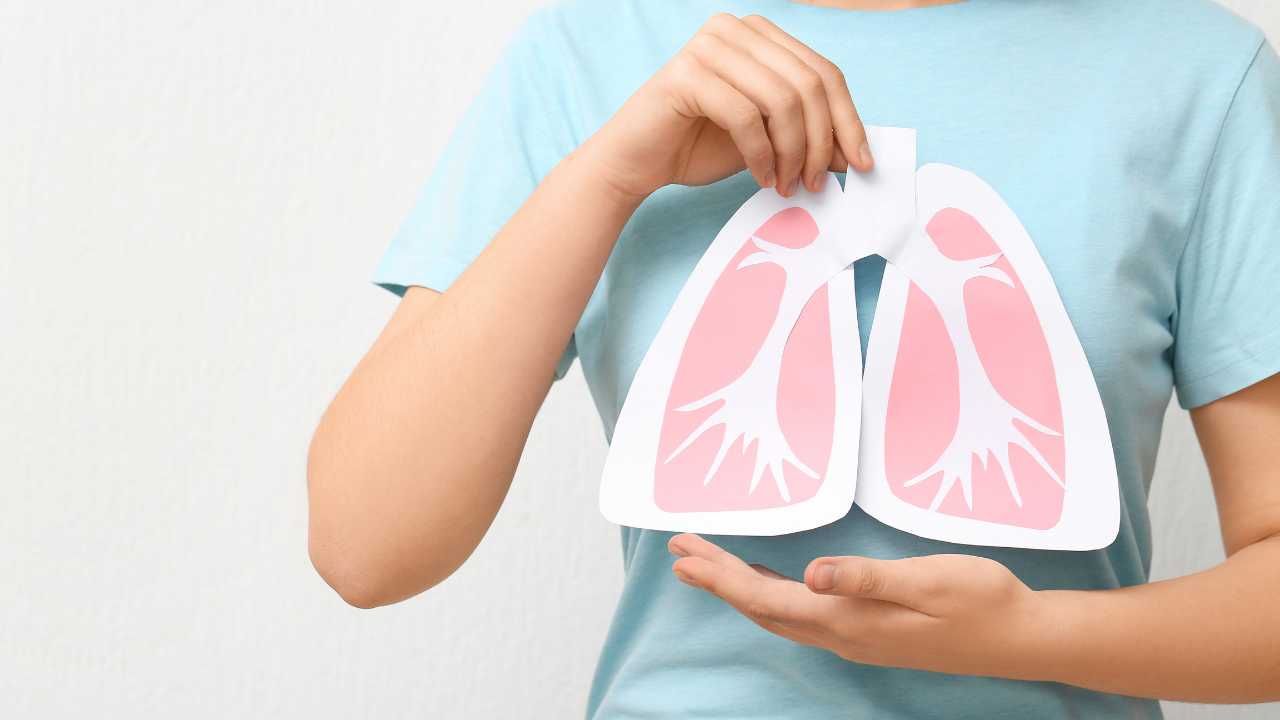
Breathing is something we do without thinking, yet our lungs are constantly exposed to stress. From seasonal colds to pollution or chronic conditions, the respiratory system works hard every day to protect us. Herbs have long been used to support lung health, and thyme (Thymus vulgaris) is one of the most respected.
For centuries, thyme has been valued both as a culinary herb and as a natural remedy for coughs, infections, and congestion. Ancient healers burned it as incense to purify the air, while traditional European medicine used it for bronchitis and asthma. Today, modern science confirms thyme contains compounds that fight microbes, reduce inflammation, and support healthy breathing.
This article explores what the research says about thyme, presents the latest scientific studies, and provides ten practical ways to use thyme for breathing and lung health.
Medicinal Properties of Thyme: What Science Says
Antimicrobial Action
Thyme oil contains thymol and carvacrol, compounds with strong antibacterial and antiviral effects.
- Evidence-Based Complementary and Alternative Medicine (2010) showed thyme oil was active against influenza viruses and coronaviruses (link).
- Letters in Applied Microbiology (2004) demonstrated that thyme oil was effective against resistant bacteria such as Staphylococcus aureus (link).
These properties help explain why thyme has long been used for coughs, sore throats, and infections.

Cough Relief and Bronchitis Support
Thyme is a proven cough remedy. It works as an expectorant, helping loosen mucus, while also calming spasms in the airways.
- In Phytomedicine (2006), a clinical trial found that thyme-ivy syrup reduced cough frequency and improved sleep in patients with acute bronchitis (link).
- Phytomedicine (2010) reported that thyme combined with primrose root improved bronchitis symptoms in both adults and children (link).
Anti-Inflammatory and Antioxidant Effects
Lung tissue is sensitive to inflammation and oxidative stress. Thyme helps reduce both.
- Molecules (2013) found thyme extracts lowered inflammatory markers and provided antioxidant protection (link).
- Journal of Lipid Research (2013) confirmed that thymol reduced lung inflammation and protected respiratory tissue from oxidative damage (link).
Asthma and Allergy Support
Asthma and allergies often involve airway constriction.
- Phytotherapy Research (2004) showed thyme extracts relaxed trachea muscles in animal studies, suggesting possible benefit for asthma and allergy-related coughs (link).
Latest Research on Thyme for Lung Health (2023–2025)
Modern studies confirm thyme’s potential for respiratory conditions.
- Journal of Ethnopharmacology (2025): In COPD patients, inhaling thyme essential oil three times daily for five days reduced cough and mucus and improved oxygen levels (PubMed).
- Iranian Journal of Allergy, Asthma and Immunology (2024): A triple-blind trial in children with mild to moderate asthma found thyme syrup significantly reduced cough and improved lung function (Herbal Reality).
- Medical Journal of Mashhad University (2021; reviewed 2023–24): A randomized trial on COVID-19 patients reported thyme oil reduced fever, cough, fatigue, and improved blood markers (ResearchGate).
- BMC Complementary Medicine and Therapies (2025): A review of randomized trials on Shirazi thyme (Zataria multiflora) showed improved cough, wheezing, and lung function, plus reduced oxidative stress (link).

10 Effective Ways to Use Thyme for Breathing and Lung Health
1. Thyme Tea for Daily Support
Steep 1–2 teaspoons dried thyme or a few fresh sprigs in hot water for 10 minutes. Drink up to three cups daily to ease coughs and support the lungs.
2. Steam Inhalation with Thyme
Add fresh thyme or a few drops of thyme oil to a bowl of hot water. Inhale the steam under a towel for 5–10 minutes to loosen mucus and open the airways.
3. Homemade Thyme Cough Syrup
Simmer 2 tablespoons dried thyme in 250 ml water for 15 minutes. Strain, mix with raw honey, and take one teaspoon several times a day.
4. Thyme-Infused Honey
Place fresh thyme sprigs in a jar of raw honey and let infuse for one to two weeks. Use in tea or take directly to calm the throat.
5. Gargle with Thyme Infusion
Make a strong thyme tea, cool it, and use it as a gargle to ease throat irritation and disinfect the upper airways.
6. Cooking with Thyme Every Day
Add thyme to soups, stews, roasted vegetables, or marinades. Regular use provides gentle long-term support.
7. Thyme Bath for Relaxation
Add a thyme infusion to warm bathwater. The steam and essential oils help open the lungs while the bath relaxes chest muscles.
8. Thyme Herbal Vinegar
Steep thyme sprigs in apple cider vinegar for two to three weeks. Use the vinegar in salad dressings for ongoing antimicrobial and antioxidant benefits.
9. Blended Herbal Remedies with Thyme
Combine thyme with herbs like licorice root, mullein, or marshmallow root for stronger lung support. Blended teas or syrups are traditional remedies for coughs and irritation.
10. Thyme Oil Chest Rub
Mix a few drops of thyme essential oil with a carrier oil such as coconut oil. Apply to the chest to ease coughing and open the airways. Always dilute essential oils before topical use.
Safety and Precautions
- Safe in culinary and tea amounts.
- Thyme essential oil must be diluted; never ingest undiluted oil.
- Avoid high doses during pregnancy.
- People allergic to oregano, basil, or mint may also react to thyme.
- For asthma or COPD, thyme can be supportive but must not replace prescribed medication.
When to Use Thyme for Lungs
- During colds or flu to reduce coughing and congestion
- To relieve dry or spasmodic coughs
- As supportive care in bronchitis
- After exposure to polluted or smoky air
- As part of a long-term daily wellness plan

FAQs About Thyme and Lung Health
Can thyme help asthma?
Yes, thyme may relax airways and reduce inflammation, but it cannot replace prescribed medication.
Is thyme tea safe for children?
Yes, in mild doses. A weak tea is safe, but essential oils should not be used in children under six.
How quickly does thyme work for coughs?
Relief can be felt after one or two cups of tea, or after a few days of syrup use.
Can thyme be taken every day?
Yes, tea and culinary use are safe daily. Essential oil should be occasional and always diluted.
What is the best form of thyme for the lungs?
Tea and syrups are effective for daily support, while steam inhalations work quickly for congestion.
Can thyme help with chronic conditions like COPD?
Recent studies suggest benefits, but thyme should only be used as supportive care alongside medical treatment.
Conclusion
Thyme is far more than a kitchen spice. It is a proven natural ally for lung health, backed by both tradition and modern science. Research confirms it can fight microbes, ease coughs, reduce inflammation, and protect lung tissue.
With many simple ways to use it — from teas and syrups to steam inhalations and cooking — thyme is a safe, affordable, and effective herb for supporting easier breathing and stronger lungs.
You might also want to read:
The Health Benefits Of Mullein: A Comprehensive Guide
Follow us at Facebook