Quick Answer
The best air purifier for wildfire smoke is one that combines:
- True HEPA (or equivalent) filtration for fine particles
- Enough airflow for your room size
- Activated carbon for smoke odor and fumes
- Zero ozone generation
If you want a simple starting point, these are the three models worth comparing first:
- Coway Airmega 400 → best overall balance
- Levoit Core 600S → best value and usability
- Austin Air HealthMate Plus → best for heavy smoke and chemical sensitivity
Why Smoke Season Requires a Different Kind of Air Purifier
After dealing with lung sensitivity, I started paying much closer attention to what we actually breathe indoors.
When I researched air purifiers for smoke, the biggest surprise was this:
Most air purifiers are designed for dust and pollen.
Smoke is a completely different challenge.
Wildfire smoke contains:
- ultrafine particles that stay suspended in the air
- irritants that can trigger inflammation
- gases and odors that basic filters struggle with
For sensitive lungs, this is not just about comfort.
It is about reducing ongoing irritation and exposure.
That is why choosing the right air purifier during smoke season matters more than usual.
My Top Picks for Wildfire Smoke
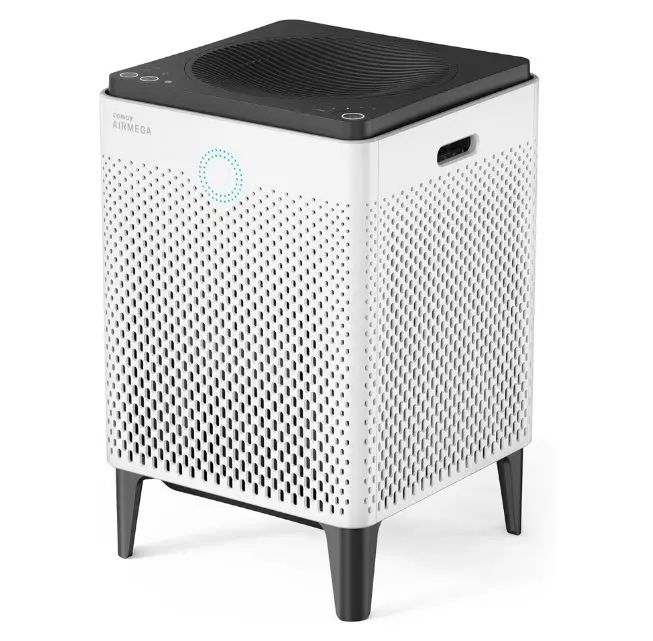
1. Best Overall: Coway Airmega 400
If you want one air purifier that works well for most homes during smoke season, this is the one to start with.
The Coway Airmega 400 offers a strong combination of:
- high airflow for larger rooms
- HEPA-level particle filtration
- activated carbon support for smoke
It is powerful enough to handle smoke events while still being practical for everyday use.
Best for:
- living rooms and open spaces
- homes that want one main purifier
- long-term, year-round use
Why it stands out:
- balanced performance across particles and odor
- strong coverage for larger rooms
- reliable and widely trusted design
Check the latest price on Amazon
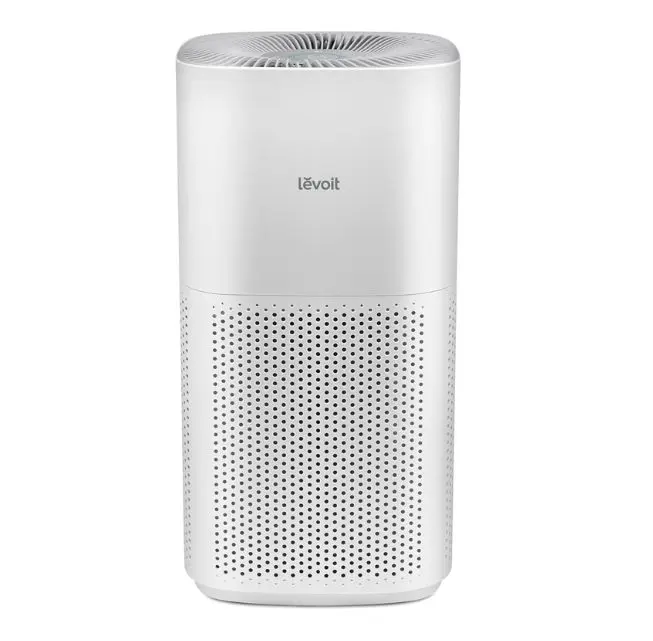
2. Best Value Pick: Levoit Core 600S
The Levoit Core 600S is a strong choice if you want performance without overcomplicating things.
It combines:
- solid particle filtration
- activated carbon support
- smart features for easier daily use
This makes it especially useful if you want something that works well during smoke season but is also easy to live with the rest of the year.
Best for:
- bedrooms and medium to large rooms
- users who want app control and automation
- buyers looking for strong value
Why it stands out:
- excellent balance between price and performance
- simple setup and daily operation
- good fit for most households
Check current price and availability on Amazon
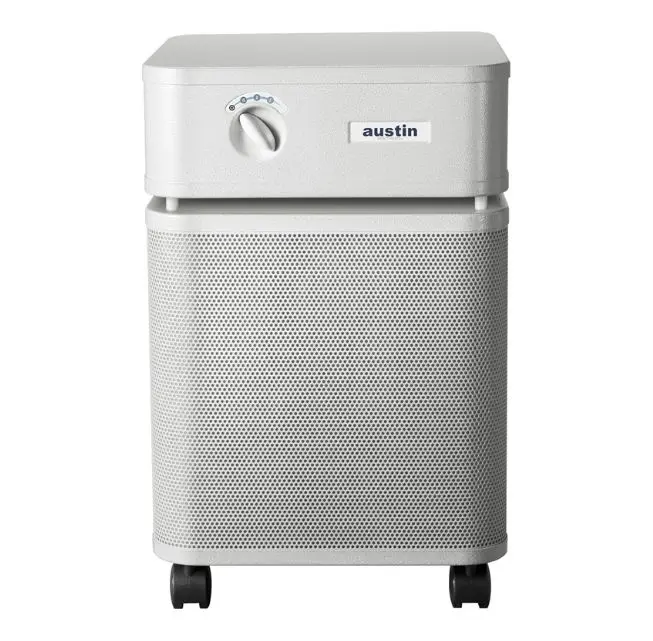
3. Best for Heavy Smoke and Chemical Sensitivity: Austin Air HealthMate Plus
This is the specialist option.
The Austin Air HealthMate Plus is designed for people who are more affected by:
- smoke odor
- chemical exposure
- ongoing air quality issues
It uses a much heavier carbon filtration approach than most consumer models, which can make a noticeable difference for some users.
For people with sensitive lungs, this is not excessive.
It can be a meaningful layer of protection.
Best for:
- individuals highly sensitive to smoke or fumes
- homes in wildfire-prone areas
- people prioritizing deeper filtration over design or smart features
Why it stands out:
- stronger focus on gases and odors
- built for more demanding air quality situations
- often chosen by users who need more than standard filtration
Note: This model is not AHAM CADR-certified, which makes direct comparisons less straightforward than with some mainstream units.
What Actually Matters in an Air Purifier for Smoke
1. Proper Room Size and Airflow
An air purifier must match the size of your room.
If it is too small, it will not keep up with smoke.
This is one of the most common reasons people feel disappointed with their purifier.
When in doubt, choose a model rated for a larger space.
For more detail, see: Air Purifier for Large Rooms: Top 5 High-CADR Models Reviewed
2. HEPA Filtration for Fine Particles
Wildfire smoke contains fine particles that can irritate the lungs and stay in the air for long periods.
A proper HEPA or high-efficiency particle filter is essential for reducing this exposure.
For a deeper breakdown, see: The Ultimate HEPA Filter Buyer’s Guide for Asthma Sufferers
3. Activated Carbon for Odor and Fumes
Particles are only part of the problem.
Smoke also includes gases and odors that standard filters may not remove effectively.
Activated carbon helps reduce:
- smoke smell
- chemical components of polluted air
If odor or sensitivity is a major issue, carbon filtration becomes more important.
4. Avoid Ozone-Generating Devices
For sensitive lungs, this is critical.
Some air purifiers use ionization or ozone-based technology.
Even low levels of ozone can irritate the airways and trigger symptoms.
All recommended models here avoid ozone-generating technology.
Which One Should You Choose?
If you want a simple decision:
- Choose Coway Airmega 400 for the best overall balance
- Choose Levoit Core 600S for value and ease of use
- Choose Austin Air HealthMate Plus if smoke, odor, and chemical sensitivity are your main concerns
If you are recovering from lung surgery or dealing with reduced lung capacity, you may also find this helpful:
Best Air Purifier for Post-Lobectomy Lung Recovery
A Better Smoke Strategy Than Just Buying a Purifier
An air purifier works best when combined with a few simple habits:
- create one main clean-air room
- keep windows closed when outdoor air quality is poor
- run the purifier continuously
- replace filters on time
- use recirculation settings if your HVAC system supports it
This turns your space into a more controlled environment instead of reacting too late.
Final Thoughts
The best air purifier for wildfire smoke is not about choosing the most expensive model.
It is about choosing one that:
- matches your room size
- handles fine particles effectively
- supports odor and gas reduction
- is safe for sensitive lungs
For most people, the Coway Airmega 400 is the best place to start.
The Levoit Core 600S offers strong value.
The Austin Air HealthMate Plus is the more specialized option for those who need deeper support.
The goal is simple.
Make your indoor air easier to breathe when the outside air is not.