

stress relief breathing

Breathing Techniques For Anxiety

Simple Breathing Techniques For Anxiety

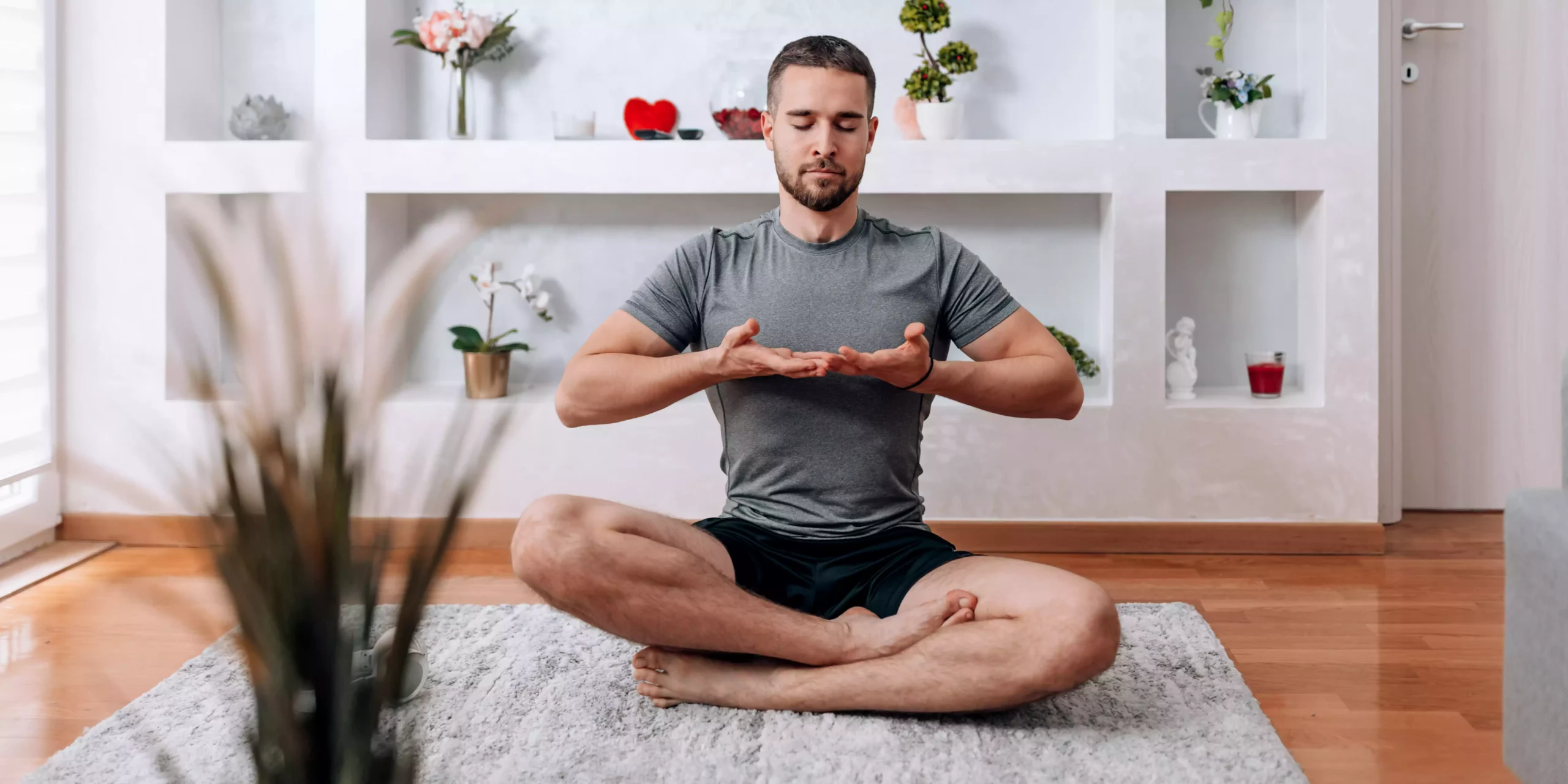
Anxiety isn’t just that butterfly feeling before a big presentation. It can sneak up on us in stressful traffic or watching the news, or even out of nowhere. Some get hit with it hard, while others feel it quietly buzzing away in the background. Recognizing the many faces of anxiety, like social anxiety, generalized anxiety disorder, or panic attacks, can be key to tackling it effectively. Every time anxiety kicks in, there’s a real physical reaction. Maybe it’s a pounding heart, sweating, or just feeling super tense all the time. Emotionally, anxiety can blur our focus or make us feel overwhelmed. Getting clued up on how anxiety shows up, both mentally and physically, helps in finding ways to manage it better. So, what’s happening inside our brains when anxiety strikes? It all ties back to the ‘fight or flight’ response – the body’s age-old way of handling danger. But in today’s world, this response can be triggered over small things like an email notification. Understanding this mechanism gives a clearer picture of why we react the way we do. Taking steps to address anxiety isn’t just about feeling a bit calmer – it’s about boosting our overall health. When we manage anxiety, we’re also lowering chances of other health issues like high blood pressure or chronic stress, making it a priority for rocking life, not just surviving it. The Science of Breathing and Its Benefits Breathing isn’t just about getting oxygen; it’s a tool our bodies use to calm down when things get chaotic. When anxiety hits, our natural breathing pattern sometimes goes out of whack. But deliberately controlling our breath can actually override that panic signal. Our bodies have this cool system called the parasympathetic nervous system, which is basically designed to chill things out. Taking slow, deep breaths sends a message to this system, telling it everything’s okay and to calm the heck down. This turns on the ‘rest and digest’ mode, which is the opposite of that ‘fight or flight’ response that anxiety thrives on. Besides the physical benefits, there’s also a mental side. Breathing slows the mind, helping to stop that whirlwind of anxious thoughts. Focusing on the rhythm of the breath can make everything seem less intense, giving that bit of headspace needed to think things through. Mindful breathing is like the Swiss Army knife against stress. It works on the spot when things get too much and also helps for long-term stress reduction. Understanding the real impact of breath is a game changer in handling anxiety. Top Simple Breathing Techniques to Combat Anxiety Deep breathing is where it all starts. It’s simple, but powerful enough to kickstart a relaxation response. It involves taking full breaths, letting the air fill your lungs completely before slowly letting it out. Picture a balloon inflating and deflating with each cycle. The 4-7-8 breathing technique is a favorite for calming nerves. Breathe in for a count of four, hold for seven, then exhale for eight. This pattern slows the heart rate and eases the mind, especially handy before bed or during anxious spells. Box breathing, or square breathing, is all about balance and control. Inhale for four counts, hold, exhale, and hold again, each for four counts. It’s like giving each part of the breath its own little section, helping regain focus and control. Diaphragmatic breathing goes deeper, literally. By engaging the diaphragm instead of just the chest, you’re breathing like a pro. It means letting the belly rise and fall, promoting a deeper breath and a more grounded feeling. These techniques don’t just give temporary relief but train your body to deal with anxiety better over time. Practicing them regularly builds resilience, so when anxiety knocks, you’re better prepared to handle it. Incorporating Breathing Techniques into Daily Life Establishing a routine can make all the difference. Just like brushing your teeth, setting aside specific times for these breathing exercises makes them part of your life. Morning right after waking up or evenings before hitting the bed are great slots to get started. Slip these techniques into your day-to-day without needing to overhaul your schedule. Whether stuck in traffic, waiting for the coffee to brew, or even during TV ads, take a moment for some controlled breathing. It’s these little breaks that can turn the tide on a hectic day. Sticking with new habits isn’t easy. Start small and be patient with yourself. Not every day will be a win, but each attempt strengthens the habit. Even jotting down a reminder or using an app can keep you on track. Hearing how others have embraced these practices can be super inspiring. From busy executives to new parents, many find small breathing exercises pivotal in handling stress. Sharing these techniques also helps spread the calm, building a stronger support network around you. I would really like to hear your experience if simply by breathing you will feel better. Let me know Anita follow us on social Facebook Also know about Exploring The Wellness Benefits Of Wim Hof Method The Role Of Oxygen In Detoxifying The Human Body  
READ MORE »
Box Breathing Vs. 4-7-8

Box Breathing vs 4-7-8: Which Breathing Technique is Better?

When you’ve lost part of a lung to cancer, as I did during my lobectomy, you stop taking breath for granted. You realize that breathing isn’t just a background process—it is a tool you can use to regulate your heart, your mind, and your recovery. In my journey at Breathful Living, I’ve tested many methods to regain my lung capacity and manage the “scan-xiety” that comes with being a survivor. Today, we look at the two heavyweights: Box Breathing vs. 4-7-8. Quick Comparison: Box Breathing vs. 4-7-8   Feature Box Breathing (4-4-4-4) 4-7-8 Technique Best For Focus, Stability, “Nerve” Deep Sleep, Panic, Anxiety Effort Level Moderate (Constant rhythm) Higher (Long breath hold) Physiological Effect Nervous System Balance Parasympathetic “Reset”   Box Breathing: The “Stability” Method Box breathing, or square breathing, is about symmetry. Because each phase of the breath is equal, it creates a sense of profound internal rhythm. How to do it: Inhale (4s) -> Hold (4s) -> Exhale (4s) -> Hold Empty (4s). Anita’s Take: I find this method best when I need to stay present. If I’m feeling overwhelmed by a task, Box Breathing anchors me without making me feel drowsy. It’s “active” calm.   The 4-7-8 Method: The “Tranquilizer” Popularized by Dr. Andrew Weil, this method is designed to be a natural sedative. By making the exhale twice as long as the inhale, you are physically forcing your body out of “fight or flight” mode. How to do it: Inhale (4s) -> Hold (7s) -> Exhale forcefully (8s). Anita’s Take: After my surgery, the 7-second hold was challenging. If you are a fellow lung patient, don’t rush this! The 8-second exhale is the “magic” part—it’s what tells your brain it’s safe to relax and sleep. Which Should You Choose? Use Box Breathing when you need to perform. It clears the “fog” and helps you focus on the task at hand. Use 4-7-8 when you need to let go. It is the gold standard for falling asleep or stopping a rising panic attack. A Note from My Journey As someone who has navigated the “terrifying and overwhelming” world of lung surgery, I know that every breath counts. If you find the holds in these exercises difficult at first, don’t be discouraged. Start with shorter counts (e.g., a 2-2-2-2 box) and listen to your body. You are not alone in this—we are relearning to breathe together. Medical Disclaimer: I am a survivor sharing my personal experience. Please consult your pulmonologist or doctor before starting new breathing exercises, especially if you are recovering from surgery. Explore More Breathing Resources: 10 Proven Exercises To Increase Your Lung Capacity The Connection Between Breathing And Concentration Benefits Of Breathing Exercises For Stress Relief follow us on social Facebook    

READ MORE »

📩 Stay Informed, Stay Healthy

Get the latest lung health tips, expert advice, and wellness insights delivered straight to your inbox.