

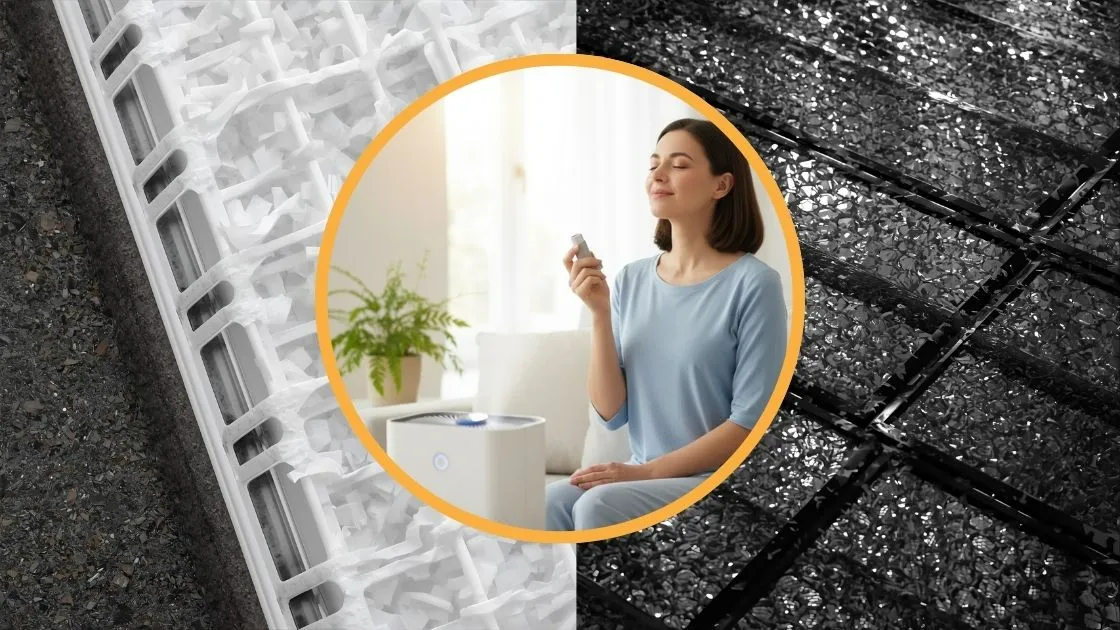
When you come home after a lobectomy, the whole world feels different. Every breath serves as a reminder that a portion of your lung has disappeared, and the air quality in your home takes on a new significance.
If you are searching for the best air purifier for post-lobectomy lung recovery, trying to buy air purifier for lungs, or looking for the best medical-grade air purifier, you are in the same place I was: wanting to protect a healing lung and avoid anything that could irritate or inflame it.
This guide combines my own experience after a right lower-lobe lobectomy with what we know about indoor air quality and filtration, so you can choose a purifier that truly supports your recovery now and in the future.
My lobectomy story and why I cared so much about air
In 2022, I had the lower lobe of my right lung removed because of an early lung cancer. The surgery went well, but the recovery was not only about scars and stitches. It was also about fear and sensitivity.
For months, I noticed things I never paid attention to before:
- Dust was in the sunlight when I opened the curtains.
- The smell of frying food stays in the air.
- Perfume, cleaning products, or smoke make my chest feel tight.
I realised that, with less lung capacity, I had less “buffer” if the air was bad. I could not control the air outside, but I could control the air inside my home. That is what led me to learn about air purifiers and eventually buy one for my bedroom and living area.
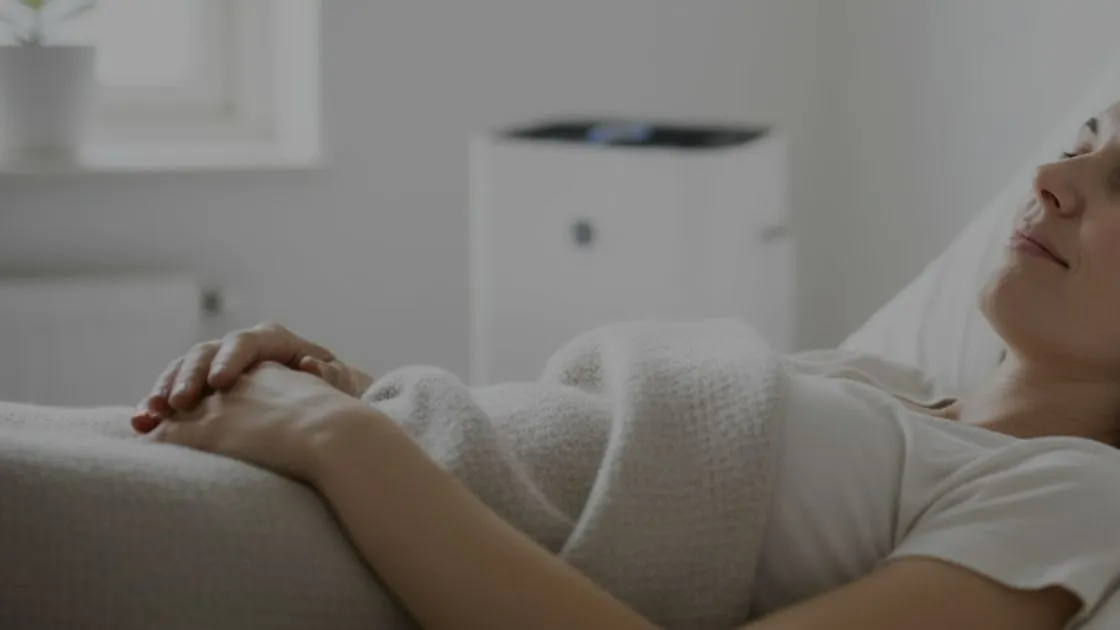
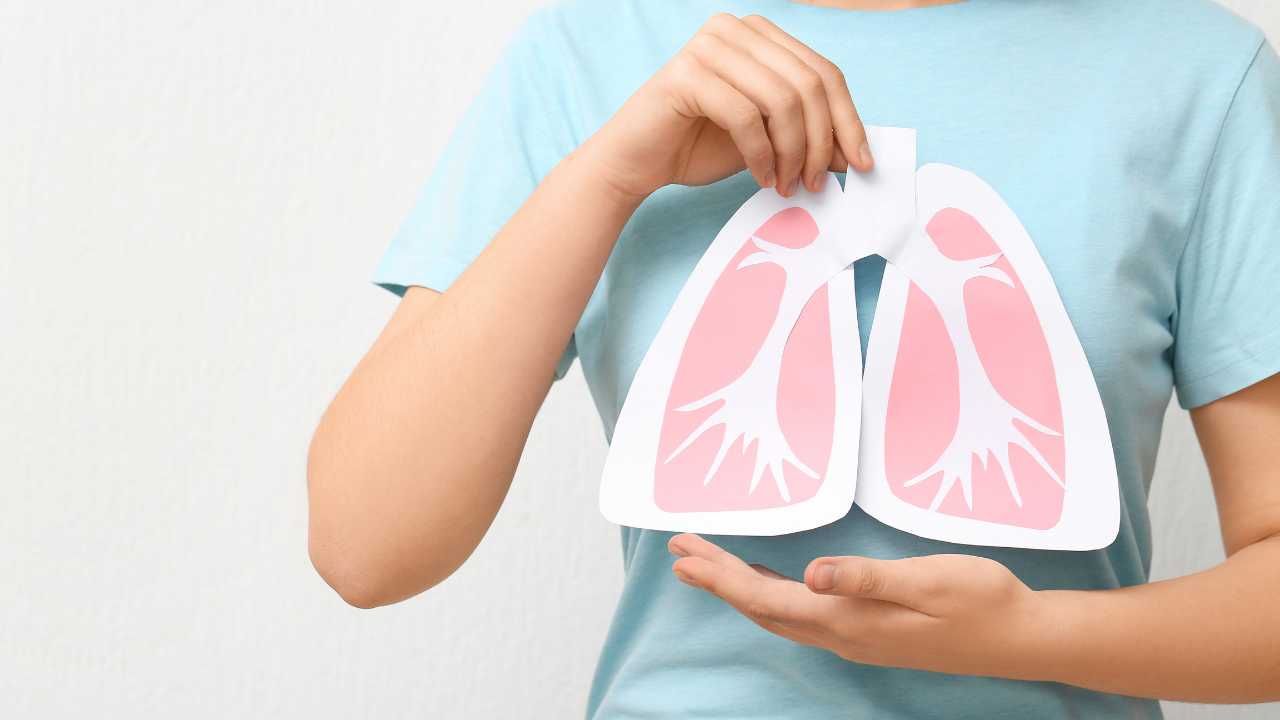
What happens to your lungs after a lobectomy?
Everyone’s case is different, but some changes are common after lung surgery.
Reduced lung volume
A whole lobe is gone. Your remaining lung tissue has to do more of the work.
Healing tissue and nerves
The surgical area is sensitive, inflamed, and slowly healing. Irritants in the air can feel stronger than before.
Less reserve capacity
If you get an infection or heavy irritation, there is less spare capacity to compensate. What used to be a small issue can feel like a big one.
Because of this, the quality of the air you breathe at home matters more. An air purifier cannot heal surgical tissue, but it can reduce the constant load of particles and fumes your lungs have to deal with every single day.
Your air quality matters—but so does your diet: Oxygen Rich Foods: Boost Your Intake Naturally
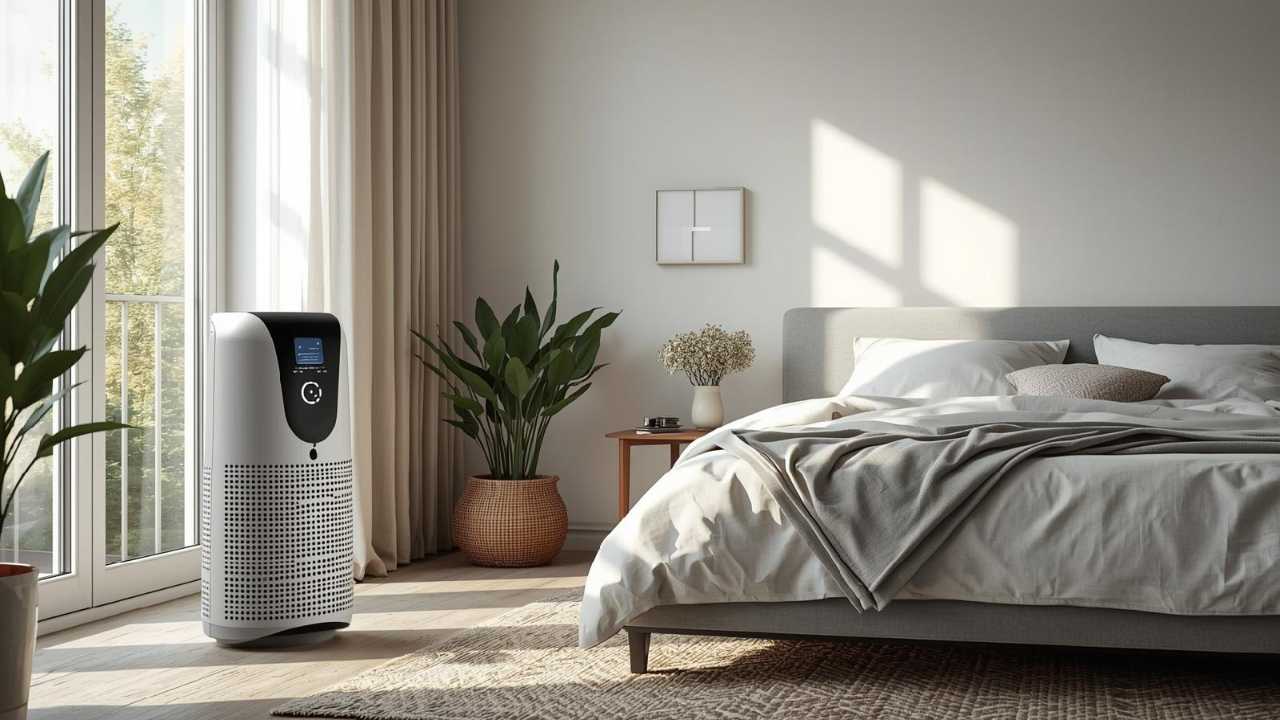
Key features to look for in the best medical grade air purifier
True HEPA / H13 or better
The filter is the heart of the purifier. For post-lobectomy lungs, you want at least:
- True HEPA or HEPA H13 (or higher).
- A filter that specifically claims 99.97% or more removal of particles around 0.3 microns.
- A sealed system so that air actually passes through the filter and does not leak around it.
Marketing terms like “HEPA-type” or “99% efficient” without particle size are not enough. Clear numbers matter.
What you eat can speed up lung recovery: Explore the Powerful Diets & Superfoods For Optimal Lung Health
Enough CADR for the room where you recover
CADR tells you how quickly the purifier can clean the air. A small desktop unit may be fine for a tiny room, but not for a medium or large bedroom.
As a rule of thumb:
- Check the manufacturer’s recommended room size.
- If you are between two sizes, choose the larger purifier, not the smaller.
- Remember that larger, open rooms and high ceilings need more power.
Ozone-free and gentle technology
Some air cleaners use ozone, strong ionisers or other technologies that can create by-products. After lung surgery, adding ozone is the last thing you want.
Look for:
- Machines described as ozone-free or with no intentional ozone.
- Models that use mechanical filtration (HEPA plus carbon) as the primary technology.
- Certifications or tests that confirm low or no ozone emissions where available.
Struggling with mucus or inflammation? Learn how NAC Supplement Benefits for Lungs: Best NAC Brand for Mucus, N-Acetyl Cysteine Dosage for COPD & NAC vs Glutathione
Activated carbon for odours and gases
HEPA filters trap particles. Activated carbon targets many gases and smells.
This matters if you:
- Are sensitive to cooking fumes and frying smells.
- React to cleaning agents, perfumes or solvents.
- Live in a home with off-gassing from furniture, carpets or paints.
A good medical-grade style purifier will usually combine HEPA and carbon so you are protected from both particles and many common indoor fumes.
Noise level that you can live with
The best air purifier is the one you actually keep running.
If the noise annoys you, you will switch it off. That is why:
- You should check noise levels (in dB) at low or sleep mode.
- Many people do well with purifiers in the low 20–30 dB range at night.
- You can run the machine on higher speeds when you are not sleeping, then switch to a quieter mode for the night.
Your lungs need training too: Discover how How Breathing Techniques Can Transform Your Respiratory Health
Realistic filter replacement costs
Filters need to be replaced regularly. A machine is not helpful if you cannot afford to maintain it.
Before you buy, check:
- How often each filter needs to be changed (HEPA and carbon).
- The price of official replacement filters.
- Whether the brand clearly explains when and how to change filters.
New to breathwork after surgery? Start with these Guided Breathing Techniques For Beginners
Top medical-grade style options for post-lobectomy recovery
Here are purifier types that match these criteria. Availability and exact models vary by country, so always check local options and local voltage and plug types when you order from the US, UK or EU.
AirDoctor 3000/3500 – strong all-round choice
AirDoctor has become popular among people with allergies, asthma and chemical sensitivities.
 Key points:
- Ultra-fine particle filter, beyond standard HEPA requirements.
- Combined carbon filter for odours and VOCs.
- Auto mode that adjusts speed based on air quality.
- Suitable for most bedrooms and living spaces, depending on the model.
If you are searching for “buy air purifier for lungs” or “air doctor discount code”, AirDoctor is one of the brands you will see again and again. Promotions often appear through newsletters and partners.
Once your doctor clears movement: Try these 10 Proven Exercises To Increase Your Lung Capacity
IQAir HealthPro Plus – premium medical-grade oriented
IQAir is a well-known name in clinics and allergy centres.
 Key points:
- Very high-efficiency particle filtration with ultra-fine capability.
- Large filter media that can last a long time under normal use.
- Designed for people with severe allergies, asthma or special sensitivity.
This is a serious investment and not necessary for everyone, but if you want a true best medical-grade air purifier and have the budget, it is a strong candidate.
Coway Airmega 400S – high CADR for larger rooms
Coway’s Airmega 400-series is often recommended when you need to clean a big space quickly.
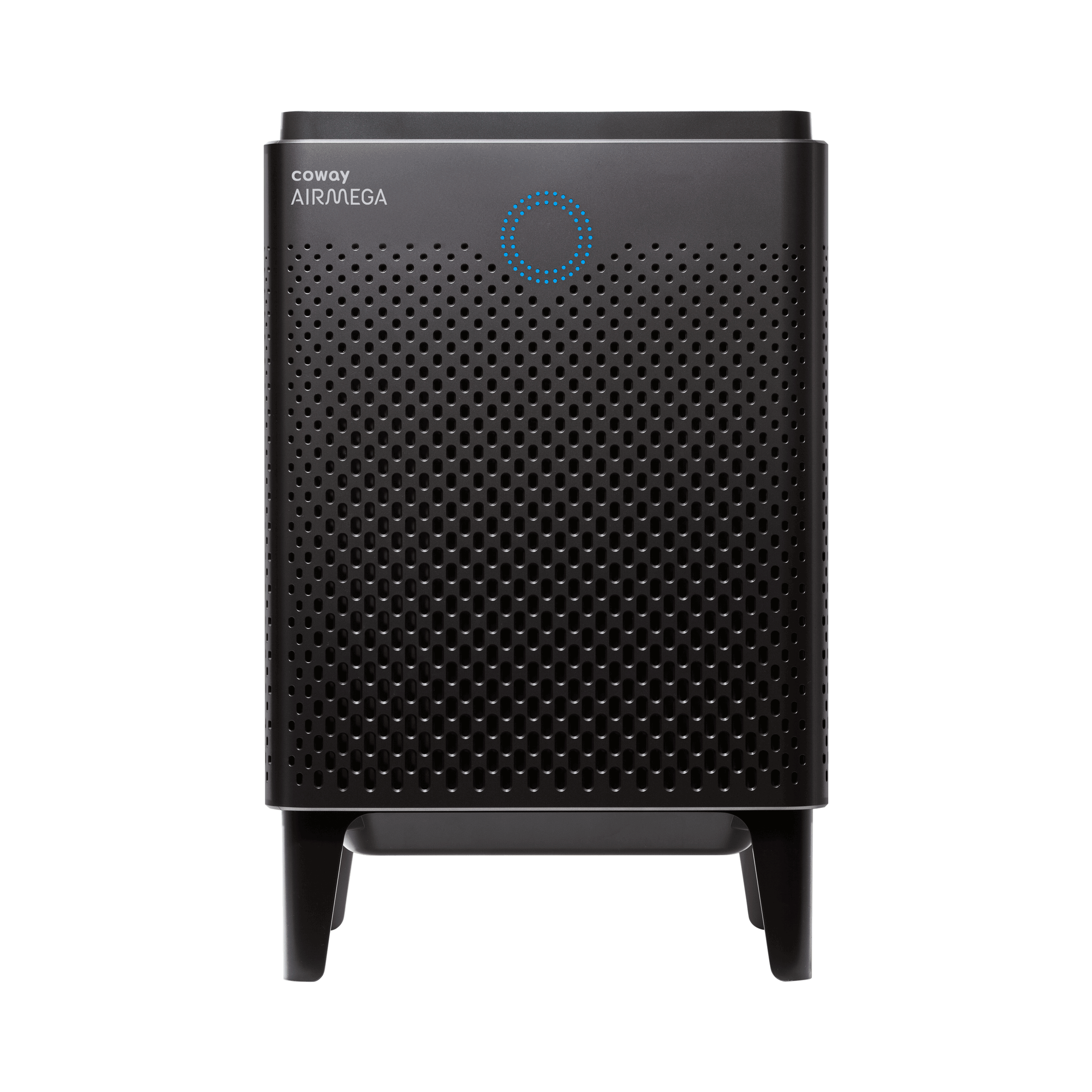
Key points:
- High CADR suitable for open-plan living rooms or large bedrooms.
- Combined HEPA and carbon filters.
- Smart controls and air quality indicator.
- Good balance between performance and energy use.
If your main recovery space is a larger room and you want one unit to handle it, this type of purifier can be very helpful.
Compact bedroom purifiers – for small spaces
If you live in a small apartment or want a dedicated unit just for your bedroom, a compact purifier with True HEPA and carbon can be enough.
Look for:
- Coverage that clearly matches the size of your bedroom.
- HEPA or H13 filter plus carbon.
- A quiet sleep mode.
A smaller unit can be a good solution if budget is limited, as long as you respect the room size limits and do not expect it to clean the whole apartment.
When ready for low-impact cardio: Discover why Swimming: The Underrated Workout For Expanding Lung Capacity
Quick answer: what is the best air purifier after a lobectomy?
If you have had part of your lung removed, the most important things in an air purifier are:
1. True HEPA / H13 or better filtration
It should capture at least 99.97% of tiny particles like dust, smoke, pollen, pet dander and fine pollution. Look for True HEPA, HEPA H13 or higher, or a clearly documented ultra-fine particle filter.
2. High enough CADR for your room
CADR (Clean Air Delivery Rate) tells you how fast the purifier can clean the air. The higher the CADR, the more air it filters per minute. The purifier should be rated for at least the size of the room where you sleep.
Support your lungs naturally during recovery: Discover the Nettle Tea Benefits for the Lungs: Nature’s Gentle Detoxifier
3. Ozone-free operation
Avoid purifiers that generate significant ozone or rely on aggressive ionisation. After lung surgery, you want clean air, not extra reactive gases.
4. Activated carbon for gases and odours
A dedicated carbon filter helps remove cooking fumes, chemical smells and volatile organic compounds (VOCs) that can irritate your chest.
5. Quiet enough to run while you sleep
Recovery happens when you rest. Choose a purifier with a quiet “sleep” or “low” mode so it can run all night in your bedroom.
Examples of strong options in 2025 include:
- AirDoctor 3000/3500 – strong all-rounder with ultra-fine particle filtration and carbon.
- IQAir HealthPro Plus – premium, medical-grade oriented system with very high filtration performance.
- Coway Airmega 400S – powerful high-CADR unit for larger rooms.
- Dyson purifiers (newer models with HEPA H13) – what I personally bought and use at home every day.
Need an immune-boost during recovery? Explore Oregano: Ancient Healing Herb for Lungs, Immunity & Whole-Body Health
My personal choice: Dyson purifier in my home
Many people ask whether a Dyson purifier is good enough for post-lobectomy lungs.
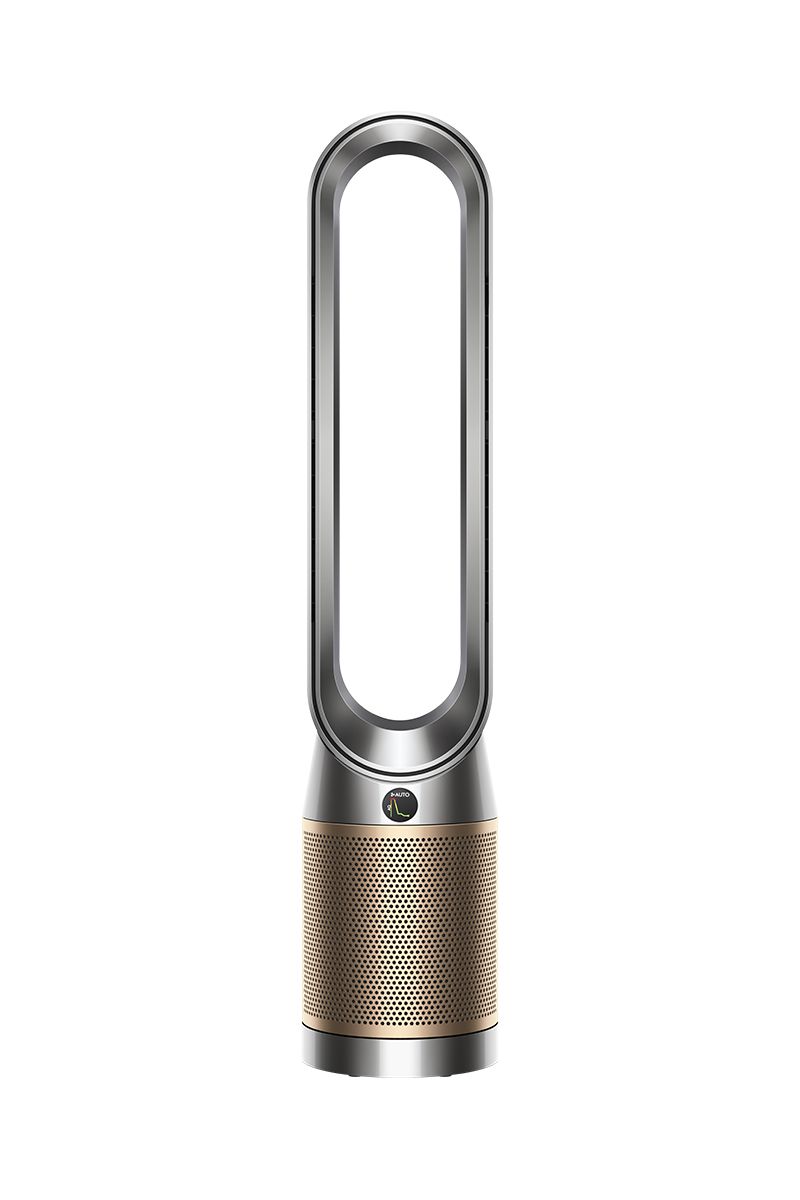 When I chose for myself, I bought a Dyson purifier for my bedroom and daily living space.
Reasons this felt right for me:
- Newer Dyson purifiers use a fully sealed HEPA H13 system.
- They combine HEPA and activated carbon filtration.
- The machines are designed for continuous use and have automatic modes.
- They can also function as a fan (and in some models heater or humidifier), so they replace several devices in one.
Dyson is not marketed as a hospital device in the same way as IQAir or some specialised brands. In daily life, though, it gives me what I need: steady, quiet filtration of particles and smells in the room where I sleep and spend the most time.
For you, the key distinction is this:
- If you want the most strictly “medical grade” positioning, brands like IQAir and some dedicated HEPA machines are the classic choice.
- If you want a high-quality, HEPA H13 purifier that fits naturally into your home and you like Dyson’s design and features, it can still support a healing lung as part of your overall recovery plan.
How to use an air purifier after a lobectomy
Prioritise the bedroom
You spend many hours each night in the bedroom. This is where clean air can make the biggest difference.
Practical tips:
- Place the purifier where air can circulate freely, not hidden behind furniture.
- Keep doors and windows mostly closed when the purifier is running, so it cleans the air in that room instead of trying to handle the whole house.
- Run it on higher speed for 30–60 minutes before bedtime, then switch to low or sleep mode.
Use it during “trigger” activities
Turn the purifier to a higher setting when:
- You cook, especially frying or grilling.
- You vacuum or dust.
- You use cleaning products with stronger smells.
- Outdoor pollution or pollen is high and you open windows.
A classic lung herb used for centuries: Discover how Thyme for the Lungs: Benefits & How to Use It
Let it run consistently
Many people get the best effect when the purifier runs most of the day in the main recovery space.
Short bursts help, but constant, gentle filtration removes more of the background particles and fumes that you do not notice moment to moment.
Gentle habits that support your lungs together with the purifier
An air purifier is one tool. Your lungs also benefit from:
- Regular, gentle walking within your doctor’s limits.
- Simple breathing exercises and daily routines to expand the lungs and calm the nervous system.
- Targeted lung exercises such as swimming or specific lung-capacity workouts, introduced carefully after medical approval.
- Using lung-supportive herbs and teas if they fit your situation, for example nettle, oregano, thyme or mullein.
- Eating oxygen-supporting, nutrient-dense foods that stabilise energy and recovery, such as leafy greens, colourful vegetables, berries, healthy fats and clean protein.
- Considering supportive nutrients under medical guidance, for example NAC and other supplements that may play a role in mucus and antioxidant support.
Always check with your own medical team before adding new supplements or therapies, especially after cancer or major surgery.
Struggling with mucus or tight airways after surgery? Discover how The Health Benefits Of Mullein: A Comprehensive Guide
Where to buy these air purifiers
When you are ready to invest in an air purifier, it is worth choosing both the right model and the right place to buy it.
Most of the brands mentioned here are available through:
- Official brand websites, where you often get the newest models, full warranty and clear information about filters and replacement schedules.
- Trusted national retailers, online or in-store, which can make returns and service easier in your own country.
- Seasonal campaigns and bundles, where you sometimes get reduced prices, extra filters or extended guarantees.
Before you order, it can help to:
- Compare prices on at least two or three trusted shops.
- Check the return policy, in case the purifier is too noisy or does not fit your space.
- Look at shipping costs, customs and plug or voltage details if you buy from another region.
In my own home, I like to buy from places where I know I can return the machine if it does not feel right for my lungs. It is not just about the lowest price; it is about feeling safe with the purchase while you are still healing.
FAQ: Air purifiers and life after lobectomy
1. Do I really need an air purifier after a lobectomy?
You do not “have to” own an air purifier, but many people feel better with one, especially if they live with traffic pollution, pollen, dust, smoke, pets or strong indoor smells. After a lobectomy, your reserve capacity is smaller, so reducing everyday irritants can make breathing more comfortable and may lower the number of “bad air days”.
2. Is a HEPA air purifier enough, or do I need a special medical device?
A good True HEPA or H13 purifier with a sealed system and carbon filter is enough for most people at home. Medical-grade devices mostly become relevant if you have very severe allergies, extreme sensitivities or specific medical advice. The most important thing is that the unit is genuinely effective, ozone-free and correctly sized for your room.
3. Can I sleep with the air purifier on all night?
Yes. In fact, running it all night in your bedroom is often the best way to use it. Choose a model with a quiet sleep mode so the sound does not disturb your rest. If the noise bothers you, try placing it farther from the bed and using a slightly lower setting.
4. Will an air purifier stop my cancer from coming back?
No. An air purifier cannot prevent cancer or guarantee that it will not return. Its role is to reduce irritation from particles and fumes so your lungs have a cleaner environment while you recover and live your everyday life. Follow-up scans, medical treatment, movement, nutrition and a smoke-free environment are still the key pillars.
5. How long should I keep using an air purifier after surgery?
Most people who invest in a good purifier end up using it long term, not only in the first months after surgery. There is no fixed end date. As long as it fits your budget and your life, it can be part of your permanent lung-care routine, just like choosing what you eat or how you move.
Medical disclaimer
This article is based on my personal experience and general information about air quality and lung health. It is not medical advice and does not replace guidance from your own doctors. Always consult your surgeon, oncologist or lung specialist before making changes to your treatment, exercise routine, supplements or other health-related decisions after a lobectomy.
About The Author
