Your car can feel like a safe bubble when outdoor air is bad — but the air inside a vehicle is not automatically clean.
Traffic exhaust, wildfire smoke, road dust, pollen, pet dander, damp carpets, old cabin filters, cleaning products, fragrances, and particles brought in on shoes and clothes can all affect the air you breathe while driving.
For most healthy people, this may simply feel unpleasant. But if you have sensitive lungs, asthma, COPD, allergies, post-surgery breathing concerns, smoke sensitivity, or long daily commutes, car air quality can matter much more.
The good news is that you do not need a complicated setup. The best car air quality routine usually combines four things:
- a cabin air filter that fits your exact vehicle
- smart use of recirculation mode
- regular dust and debris removal inside the car
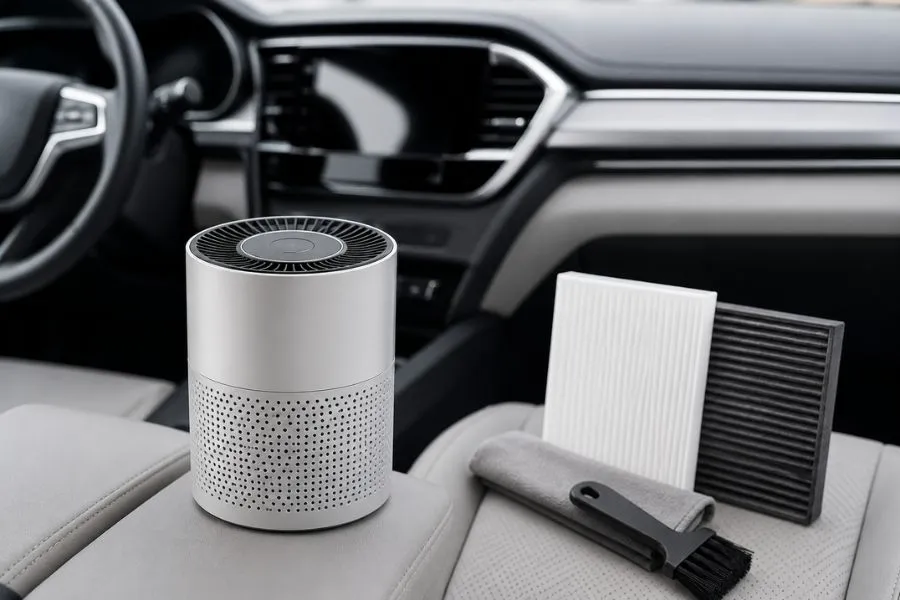
- a dedicated car air purifier only if you need extra support
This guide covers the best car air purifiers, cabin filters, and car cleaning tools to consider — and what to avoid if you want cleaner air without adding more irritation to the cabin.
Quick Answer
If you want better air quality in your car, start with the cabin air filter.
For most drivers, the best first upgrade is a high-quality cabin air filter that fits your exact vehicle make, model, and year. If you drive in traffic, smoke, pollen, or odor-heavy environments, an activated carbon cabin filter may be a better choice than a basic dust filter.
If you have sensitive lungs, drive during wildfire season, spend a lot of time in traffic, or use your car for long commutes, a dedicated car air purifier can add extra support — but only if it uses real filtration and does not rely on ozone, fragrance, or vague “fresh air” claims.
My practical order is:
- Replace your cabin air filter first.
- Use recirculation mode during smoke, traffic, tunnels, and outdoor pollution.
- Keep windows closed when outdoor air quality is poor.
- Vacuum and wipe dust inside the car regularly.
- Add a car air purifier only if you need more support.
- Avoid ozone-generating car purifiers, plug-in ionizers with unclear claims, and scented car fresheners.
If you only buy one thing today, buy the correct cabin air filter for your car.
If you want extra filtration, choose a dedicated car purifier or portable purifier with mechanical filtration, clear replacement filters, and no ozone-based marketing.
Anita’s Take
After lung surgery, I became much more aware of small air exposures I used to ignore.
A car is one of those places. You sit close to upholstery, plastic surfaces, floor dust, traffic air, road particles, and sometimes smoke or exhaust. If the cabin filter is old or weak, you may be breathing more irritants than you realize.
I do not think everyone needs an expensive car air purifier. For most people, the first step is simply replacing the cabin air filter and learning how to use the car’s ventilation better.
But for sensitive lungs, long commutes, wildfire smoke, traffic pollution, pet dander, or allergy season, I do think a cleaner car-air routine can be worth it.
The key is to avoid gimmicks. I would rather choose boring filtration, a clean cabin, and less dust than a device that makes the car smell “fresh” but does not clearly explain what it removes.
Best Picks at a Glance
| Category | Best For | Product Direction | Main Benefit | Watch Out For |
| Best first upgrade | Almost every driver | Vehicle-specific cabin air filter | Filters air through the car’s HVAC system | Must fit your exact car |
| Best for traffic and odors | City driving, exhaust, smoke smell | Activated carbon cabin air filter | Helps with some odors and gas-phase irritants | Carbon amount varies |
| Best HEPA cabin filter option | Compatible vehicles | Bosch HEPA Cabin Air Filter | Stronger particle-focused cabin filtration | Vehicle fit must be checked |
| Best known cabin filter brand | Pollen, dust, mild odor support | FRAM Fresh Breeze Cabin Air Filter | Easy-to-find cabin filter option | Must match exact part number |
| Best premium car purifier | Sensitive lungs, frequent drivers | IQAir Atem Car | Dedicated in-car purification | Expensive |
| Best smart car purifier | Small to medium cars | Blueair Cabin P2i | Designed for vehicle use | Availability may vary |
| Best known-brand car purifier | Drivers wanting a familiar electronics brand | Philips GoPure line | Dedicated vehicle purifier category | Current models must be checked |
| Best budget portable option | Travel, small personal spaces | Pure Enrichment PureZone Mini | Small and rechargeable | Limited airflow |
| Best dust-control tool | Pets, crumbs, road dust, pollen | Car vacuum or handheld vacuum | Reduces dust at the source | Does not replace filtration |
| Best maintenance habit | All cars | Regular filter replacement | Keeps the system working | Often forgotten |
Why Car Air Quality Matters
The air inside a car is affected by both outdoor and indoor sources.
Outdoor sources include:
- traffic exhaust
- brake and tire particles
- wildfire smoke
- road dust
- pollen
- industrial pollution
- outdoor PM2.5
- smoke from nearby vehicles
- construction dust
Indoor vehicle sources include:
- old cabin filters
- damp carpets
- dust on vents
- pet hair
- food debris
- fragrance products
- cleaning sprays
- off-gassing plastics
- dirty upholstery
- moldy AC systems
- particles trapped in floor mats
For sensitive lungs, the goal is not to make the car perfect. The goal is to reduce avoidable irritants.
A car air purifier can help in some situations, but it is rarely the first thing I would buy. The car already has a filtration system through the cabin air filter. If that filter is old, clogged, damp, or low quality, adding a small gadget may not solve the main problem.
The best car air quality setup starts with the basics: filter, ventilation habits, recirculation, and cleaning.
What Actually Cleans Car Air?
There are three main ways to improve air quality in your car.
1. Cabin Air Filter
The cabin air filter sits inside your car’s HVAC system.
It filters air coming through the heating, ventilation, and air conditioning system before it enters the cabin. Many drivers forget it exists, but it is one of the most important tools for car air quality.
A basic cabin filter may capture larger dust and pollen. Higher-quality versions may include activated carbon or HEPA-style media depending on the brand and vehicle fit.
If your car smells dusty, musty, smoky, or stale when the fan turns on, the cabin filter is one of the first things to check.
2. Recirculation Mode
Recirculation mode tells your car to reuse more cabin air instead of constantly pulling in outdoor air.
This can help during:
- wildfire smoke
- traffic jams
- tunnels
- high-pollution roads
- industrial areas
- strong outdoor odors
- heavy pollen days
Recirculation is not something to use forever in every situation, but during short periods of poor outdoor air, it can reduce how much outside pollution is pulled into the car.
3. Portable or Dedicated Car Air Purifier
A car air purifier may help add extra filtration inside the cabin, especially if you spend a lot of time driving.
But not all car purifiers are worth buying.
The best direction is mechanical filtration, preferably HEPA-style or high-efficiency particle filtration, with clear replacement filter instructions. Be careful with ozone, ionizer, fragrance, or “negative ion” devices that do not clearly explain safety and filtration.
If you are comparing purifier types more broadly, our HEPA filter buyer’s guide for asthma sufferers is a useful background guide.
Best Product Categories for Cleaner Car Air
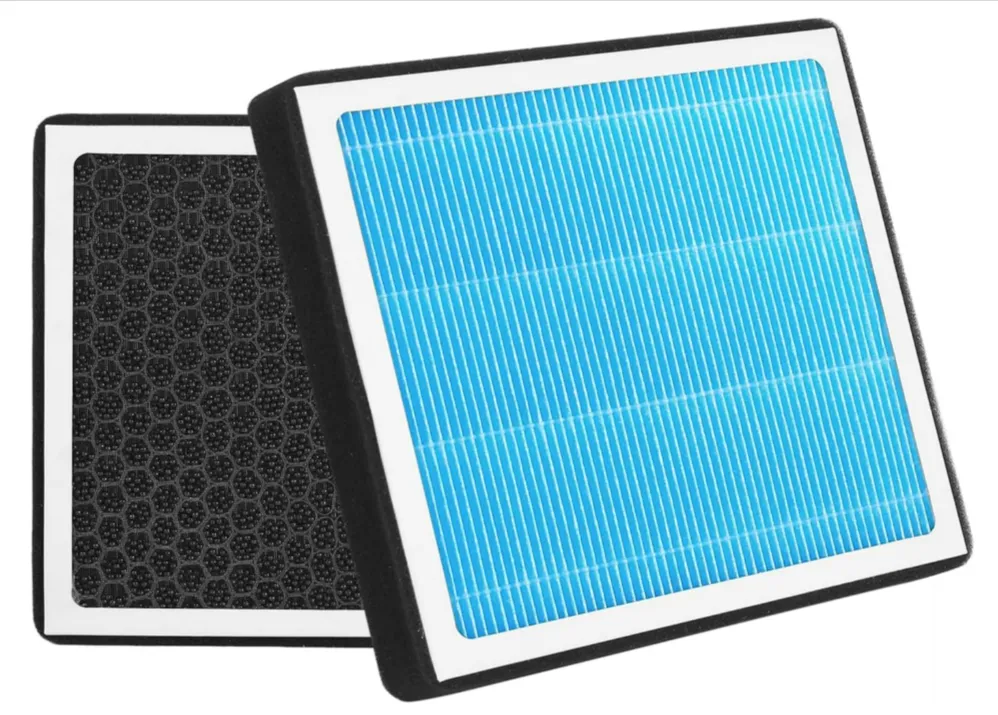
1. Vehicle-Specific Cabin Air Filter
Best for: the first upgrade almost every driver should make
A cabin air filter is the most logical place to start because it works with the system your car already uses.
If your filter is old, clogged, damp, or poor quality, airflow can be weaker and the cabin may hold more dust, pollen, and odors.
Why I’d consider it
The cabin air filter is not exciting, but it is practical.
It can reduce what comes through the vents and help your HVAC system work more effectively. For many cars, replacing it is simple enough to do at home, but some models are more difficult and may be better handled by a mechanic.
What to look for
Look for:
- exact fit for your vehicle make, model, and year
- activated carbon if odor or exhaust is a concern
- HEPA or high-efficiency claim if available for your vehicle
- strong reviews for fit and airflow
- clear replacement schedule
- trusted brand or OEM equivalent
- easy installation instructions
- good availability for future replacements
Where it falls short
Cabin air filters are vehicle-specific. A great filter for one car may not fit another.
Also, very dense filters may reduce airflow in some vehicles if they are not designed properly. Fit and compatibility matter more than marketing.
Who should consider it
Almost everyone — especially if you have not replaced your cabin filter in the last 6 to 12 months.
Who should avoid it
Do not buy a universal cabin filter unless it is truly designed for your vehicle. Always check fit before ordering.
Check compatible cabin air filters on Amazon
2. Activated Carbon Cabin Air Filter
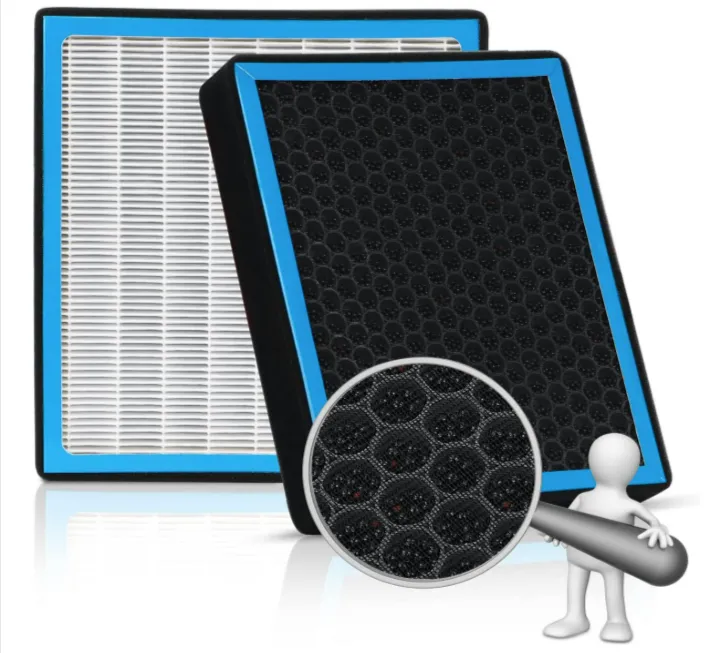
Best for: traffic, exhaust, odor, smoke smell, and city driving
An activated carbon cabin filter is usually my preferred first upgrade for people who drive in traffic or notice odors inside the car.
Carbon is used to adsorb some gases and odors. It is not magic, and carbon capacity varies, but it can be useful when exhaust, smoke smell, or chemical odors are part of the problem.
Why I’d consider it
If your main concern is not only dust or pollen, but also odor, exhaust smell, smoke smell, or traffic air, activated carbon is worth considering.
It is still a simple upgrade, but it adds another layer beyond a basic dust filter.
Product directions to consider
Good product directions include:
- EPAuto activated carbon cabin filters
- Bosch HEPA cabin filters
- FRAM Fresh Breeze cabin filters
- K&N cabin filters
- OEM manufacturer filters with activated carbon
Where it falls short
Activated carbon filters are not all equal.
Some contain very little carbon. Some are mostly a standard filter with a thin carbon layer. Some may not fit well if ordered incorrectly.
The exact vehicle fit matters.
Best for
- commuters
- city drivers
- traffic exposure
- smoke odor
- pet odor
- mild chemical smells
- people who want a low-cost first step
Check activated carbon cabin filters on Amazon
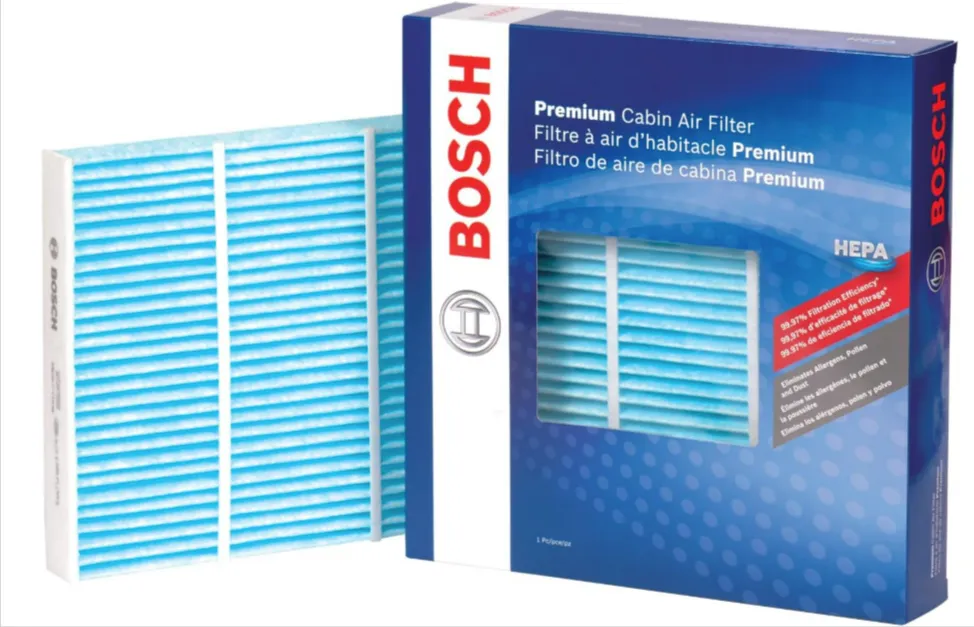
3. Bosch HEPA Cabin Air Filter
Best for: drivers who want a stronger cabin filter option where vehicle fit is available
Bosch HEPA cabin filters are one of the stronger cabin filter categories to consider if they fit your vehicle.
A HEPA cabin filter can be a good option for drivers who care most about particles such as pollen, dust, common allergens, and fine road particles.
Why I’d consider it
Bosch is a known automotive parts brand, and its HEPA cabin filter line is designed for cabin air filtration.
For people with allergies, asthma triggers, or sensitive lungs, a HEPA-style cabin filter can be a more serious upgrade than a basic filter.
Where it falls short
Fit is everything.
Do not buy a Bosch HEPA cabin filter just because the brand is good. You need the exact part that fits your vehicle make, model, year, and trim.
A high-efficiency filter that fits poorly is not a good upgrade.
Who should consider it
Consider it if:
- your car has a compatible Bosch HEPA cabin filter
- pollen and dust are major concerns
- you want a stronger cabin filter than a basic option
- airflow reviews are good for your vehicle
Who should avoid it
Avoid it if it does not fit your exact vehicle, if reviews mention poor fit, or if the filter reduces airflow too much in your specific car model.
Check Bosch HEPA cabin filter fit on Amazon
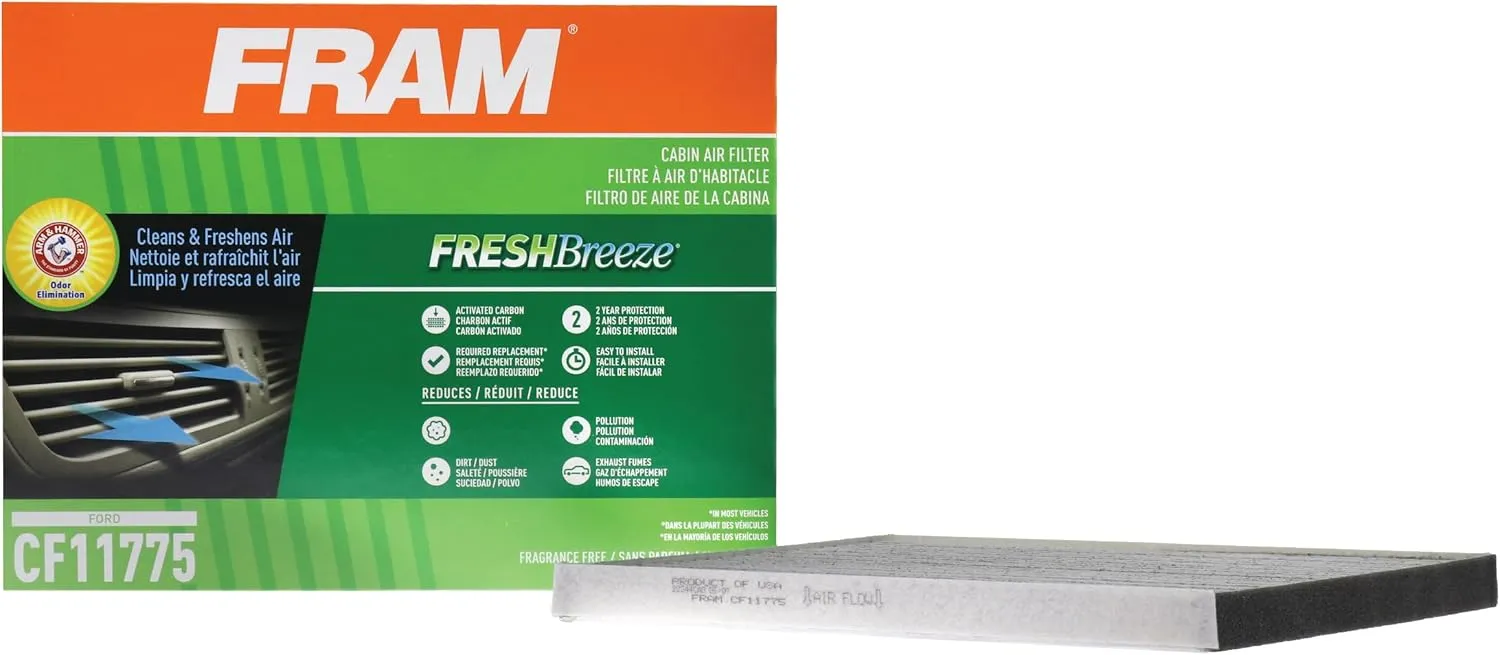
4. FRAM Fresh Breeze Cabin Air Filter
Best for: odor and pollen control in compatible cars
FRAM Fresh Breeze is another well-known cabin air filter option.
This line is especially relevant for people who want a familiar brand and an upgrade from a standard cabin filter.
Why I’d consider it
FRAM Fresh Breeze cabin filters are often easy to find and may be available for many common vehicles.
They are marketed around helping reduce road dust and pollen entering the vehicle and often include odor-focused features.
Where it falls short
As with all cabin filters, the exact vehicle fit matters.
Also, do not assume one FRAM Fresh Breeze filter fits all vehicles. Each filter part number is specific.
Who should consider it
Consider it if:
- you want a recognizable cabin filter brand
- you need a pollen and dust upgrade
- you want a filter with odor support
- the product fits your exact vehicle
Who should avoid it
Avoid it if the fit is uncertain or if you need a true HEPA cabin filter and the specific FRAM option does not claim that.
Check FRAM Fresh Breeze cabin filter fit
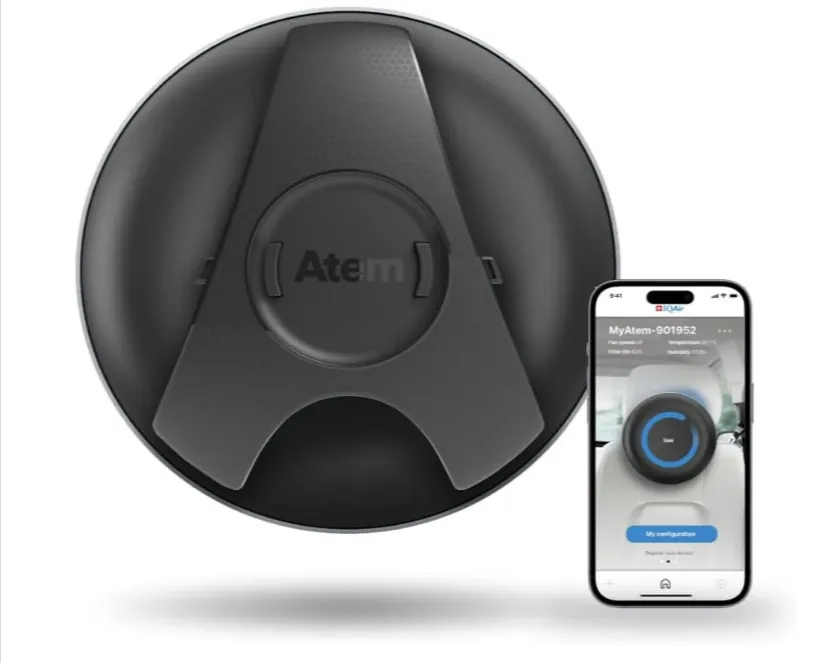
5. IQAir Atem Car Air Purifier
Best for: premium dedicated car air purification
IQAir Atem Car is one of the strongest dedicated car air purifier options to consider if you want a serious product rather than a small novelty gadget.
It is designed specifically for car use and comes from a brand known for high-end air purification.
Why I’d consider it
This is one of the few car-specific purifiers that feels like a real air-cleaning product rather than a dashboard gadget.
It may be a fit for someone who:
- drives frequently
- has sensitive lungs
- drives in traffic
- lives with wildfire smoke
- wants a premium option
- wants a dedicated car device instead of a generic mini purifier
Where it falls short
It is expensive.
Also, a car purifier cannot fully overcome bad outdoor air if windows are open, recirculation is off, the cabin filter is old, or the car is leaking air or dust through seals.
It should be part of a system, not the whole system.
Who should consider it
Consider IQAir Atem Car if you drive often, have respiratory sensitivity, and want a premium dedicated car purifier.
Who should avoid it
Avoid it if you only drive occasionally, have a tight budget, or have not yet replaced your cabin air filter.
Start with the cabin filter first.
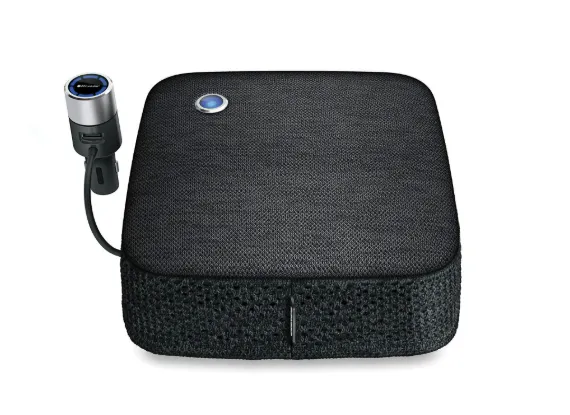
6. Blueair Cabin P2i Car Air Purifier
Best for: smart filtration in small to medium cars
Blueair Cabin P2i is another dedicated car purifier option.
It is designed for vehicle use and has been positioned for in-car particle filtration.
Why I’d consider it
It is made specifically for cars rather than being a generic small-room purifier.
That matters because vehicle air purification is a different use case from a bedroom or office. The device has to be powered safely, fit inside the cabin, handle motion, and not distract the driver.
Where it falls short
Availability may vary by country and retailer.
Because Blueair’s HEPASilent technology includes both mechanical and electrostatic filtration, the exact product page should be checked for current claims, ozone information, and replacement filter availability before linking.
Who should consider it
Consider it if you want a branded car-specific purifier and can find the current product and replacement filters from a reliable source.
Who should avoid it
Avoid it if it is unavailable, if replacement filters are hard to find, or if the product page is unclear.
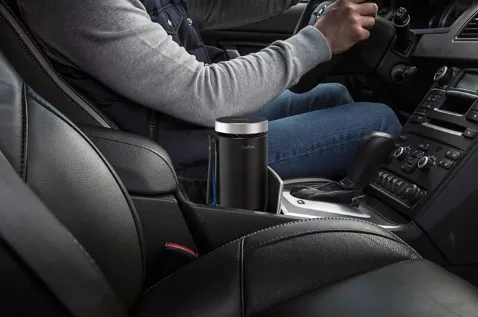
7. Philips GoPure Car Air Purifier
Best for: readers who want a known electronics brand
Philips GoPure has been one of the more recognizable car air purifier lines.
Depending on the model, GoPure units are designed for in-car particle and gas filtration. Availability can vary, so the current model should be confirmed before linking.
Why I’d consider it
Philips is a familiar brand, which can help readers who are skeptical of unknown car gadgets.
A dedicated car purifier from a recognizable brand may feel more trustworthy than a generic plug-in “fresh air” product.
Where it falls short
Model availability changes.
Some older GoPure models may be discontinued, replaced, or easier to find through third-party sellers. Only use a current model with clear filter replacement options.
Who should consider it
Consider it if there is a current Philips GoPure model available through a reliable retailer with replacement filters.
Who should avoid it
Avoid it if the current listing is old, unclear, or does not have replacement filters available.
Check current Philips GoPure options
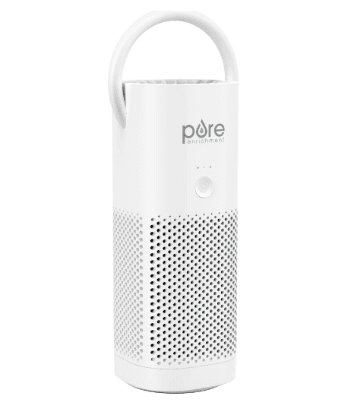
8. Pure Enrichment PureZone Mini Portable Air Purifier
Best for: budget portable option for travel and small spaces
Pure Enrichment PureZone Mini is not a full car air system, but it can be useful as a small portable purifier for very small personal spaces.
It is often used for travel, desks, hotel rooms, and cars.
Why I’d consider it
It is more affordable than premium car purifiers and more portable.
It may appeal to readers who want something small and simple for occasional use.
It can also be useful outside the car, such as in a hotel room, at a desk, or near a travel seat.
Where it falls short
It is not powerful enough to replace a good cabin filter or a dedicated high-performance car purifier.
Small devices have limited airflow. They may help around a personal breathing zone, but they will not clean an entire car cabin as effectively as a larger dedicated system.
Who should consider it
Consider it if you want a small, budget-friendly portable purifier for light personal use.
Who should avoid it
Avoid it if you expect it to clean a large SUV, handle heavy wildfire smoke alone, or replace the vehicle’s cabin filter.
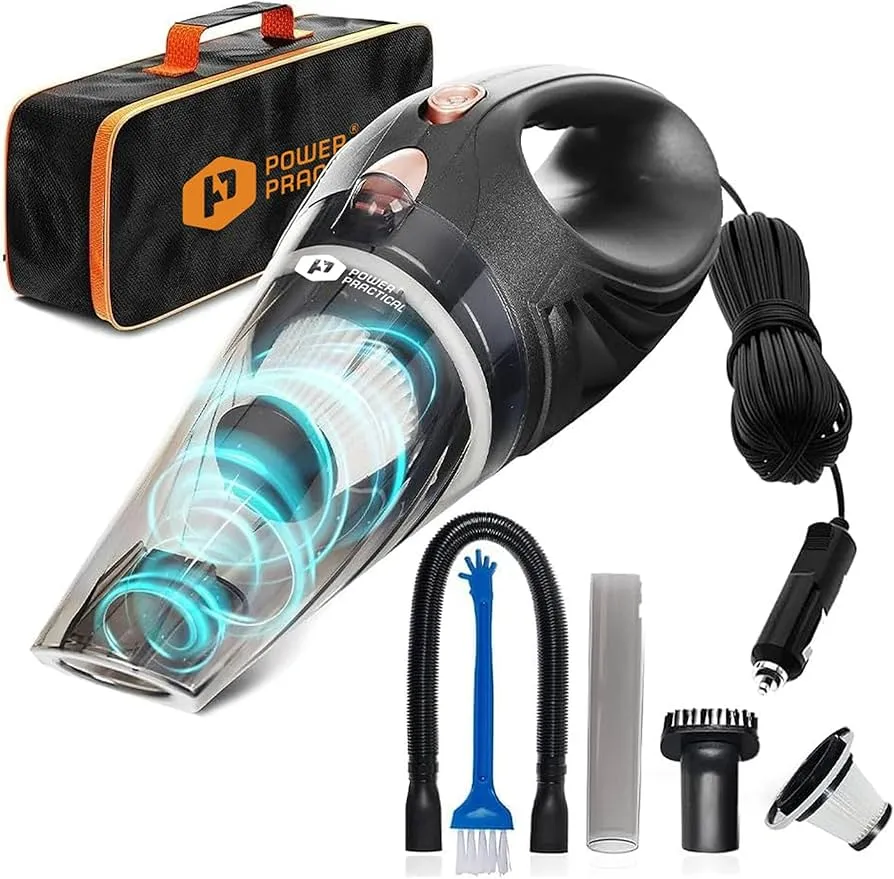
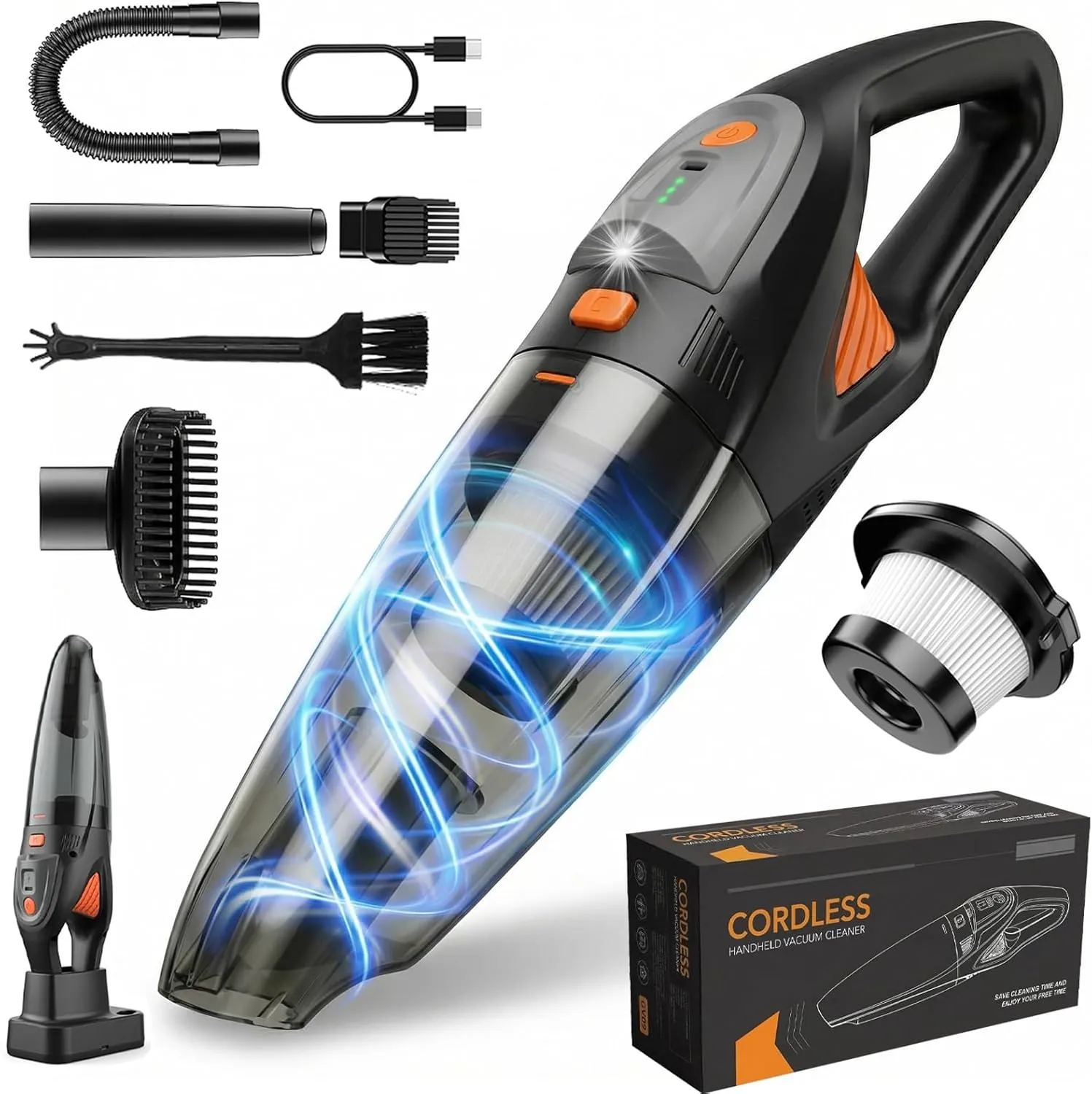
9. Car Vacuum with HEPA-Style Filtration
Best for: reducing dust, pet hair, crumbs, and floor particles
Air quality is not only about what comes through the vents.
Dust, pollen, pet hair, soil, food crumbs, and particles on car mats can become part of the air you breathe, especially when you move, open doors, turn on fans, or drive over bumps.
A good handheld car vacuum can help reduce the source load.
Why I’d consider it
A vacuum does not clean the air in the same way an air purifier does, but it removes dust and debris before those particles are stirred back into the cabin.
For pet owners, families, and people who drive with windows open, a car vacuum is a practical support tool.
Product directions to consider
Good product directions include:
- ThisWorx Car Vacuum Cleaner
- BLACK+DECKER handheld vacuum
- Shark handheld vacuum options
- Baseus handheld car vacuum
- VacLife handheld vacuum
- handheld vacuums with washable HEPA-style filters
Where it falls short
A vacuum does not filter incoming outdoor air.
It is a source-control tool, not an air purifier.
Also, “HEPA-style” is not the same as verified HEPA. Claims should be checked carefully.
Best for
- pet owners
- families
- dusty cars
- pollen season
- people who eat in the car
- long commuters
- drivers with floor mats that trap dust
10. Replacement Filters and Maintenance Supplies
Best for: keeping the system working
The most common problem with air purifiers and cabin filters is not the first purchase. It is maintenance.
If replacement filters are expensive, hard to find, or confusing, people stop changing them.
Before buying any car purifier, check:
- replacement filter price
- filter availability
- replacement schedule
- whether the brand still sells the filters
- whether third-party filters are safe to use
- whether the filter is easy to install
- whether the filter model is clearly listed
If you cannot find replacement filters easily, do not buy the purifier.
How to Improve Air Quality in Your Car Without Buying Much
You do not need to buy everything at once.
Start here:
1. Replace the cabin air filter
This is the first step.
If you do not know when it was last replaced, assume it may be due.
2. Use recirculation mode when outdoor air is bad
Use recirculation during:
- wildfire smoke
- traffic jams
- tunnels
- industrial areas
- high-pollen areas
- strong outdoor odors
Do not rely on it forever without fresh air, but use it strategically when outside air is poor.
3. Keep windows closed during smoke and heavy traffic
This sounds obvious, but it matters.
During smoke or pollution events, open windows can quickly undo filtration.
4. Avoid fragrance and “car fresheners”
Air fresheners may mask odors but add more chemicals to the cabin.
For sensitive lungs, I would avoid:
- hanging fragrance trees
- vent clips
- sprays
- scented beads
- strong essential oil diffusers in the car
- “odor bomb” products
- strong cleaning perfumes
A clean car should smell neutral, not perfumed.
5. Vacuum floor mats and seats
Dust and pollen collect in fabric and floor mats.
Vacuuming is not glamorous, but it reduces the particles that can become airborne again.
6. Wipe vents and dashboard dust
Use a damp microfiber cloth.
Avoid harsh sprays and scented cleaners.
7. Fix moisture problems
A damp car can develop musty smells and possible microbial growth.
Check:
- wet carpets
- trunk leaks
- clogged drains
- AC condensation smells
- old cabin filters
- wet floor mats
- musty vents
If the car smells musty, do not just mask it with fragrance.
What to Avoid in Car Air Purifiers
Avoid products that:
- promote ozone
- rely mainly on negative ions
- use vague “fresh air” claims
- add fragrance
- have no clear filter
- have no replacement filters
- do not explain what they remove
- claim to cure allergies, asthma, or lung problems
- plug into a car outlet but have no real fan or filter
- look like a tiny gadget but promise whole-car purification
- have no clear brand website or manual
Be especially cautious with very cheap plug-in “ionizers.”
If there is no real filtration, no certification, and no clear safety explanation, I would skip it.
Cabin Air Filter vs. Car Air Purifier: Which Comes First?
Start with the cabin air filter.
A car air purifier can help, but it should not be used as an excuse to ignore the filter your car already has.
Choose a cabin air filter first if:
- you have not replaced it recently
- you smell dust or mustiness from vents
- airflow feels weak
- you drive in pollen or traffic
- you want the best low-cost upgrade
- you want a simple maintenance-based improvement
Add a car air purifier if:
- you drive long distances
- you have sensitive lungs
- you live with wildfire smoke
- you drive near heavy traffic
- you travel with pets
- you want extra filtration near your breathing zone
- you already replaced the cabin filter but still want more support
Add a car vacuum if:
- dust collects quickly
- you have pets
- children eat in the car
- you drive with windows open
- you see pollen or debris on seats and mats
- the car smells stale
- floor mats hold visible dirt
Best Setup for Sensitive Lungs
If I were building a car air quality setup for sensitive lungs, I would do it in this order:
- Replace the cabin air filter with a high-quality option.
- Use activated carbon if odors, exhaust, or smoke are a concern.
- Use recirculation mode during bad outdoor air.
- Avoid fragrance and car fresheners.
- Vacuum and damp-wipe the cabin weekly.
- Add a dedicated car air purifier only if needed.
- Keep replacement filters on a reminder schedule.
- Check outdoor AQI before long drives during smoke season.
For people recovering after lung surgery, car air quality is only one part of the bigger home and travel setup. You may also want to read our guide to the best air purifier for post-lobectomy lung recovery.
If smoke exposure is a recurring issue, our guide to the best air purifier for wildfire smoke is also relevant.
Air Quality in Cars During Wildfire Smoke
Wildfire smoke is one of the strongest reasons to care about car air.
Fine particles in smoke can get into vehicles, especially when windows are open or the ventilation system pulls in outdoor air.
During smoke events:
- check AQI before driving
- close windows
- use recirculation mode
- avoid unnecessary driving if air quality is very poor
- keep the cabin filter updated
- consider a HEPA-style car purifier
- avoid adding fragrance or smoke inside the car
- clean ash or dust carefully without stirring it into the air
A car can reduce exposure compared with being outside, but it should not be treated as a perfect clean-air shelter.
Air Quality in Cars for Asthma, COPD, and Sensitive Airways
If you have asthma, COPD, allergies, or sensitive airways, your car may become a trigger zone if it collects dust, pollen, mold smell, smoke particles, or chemical fragrance.
The safest approach is not complicated:
- keep the cabin filter fresh
- avoid fragrance
- reduce dust
- keep moisture under control
- avoid smoking or vaping inside the car
- use recirculation when outdoor air is bad
- consider a HEPA-style purifier if symptoms are triggered during drives
This does not replace medical care, inhalers, oxygen support, or your doctor’s advice. It is simply a practical way to reduce avoidable irritants.
For asthma readers, our guide to understanding asthma and lung function may be helpful.
Car Air Quality Checklist
Use this checklist before buying anything:
- When was my cabin air filter last replaced?
- Does my car smell musty when the AC turns on?
- Do I drive in traffic or wildfire smoke?
- Do I use fragrance in the car?
- Do I have pets in the car?
- Are my floor mats dusty?
- Do I use recirculation mode during poor outdoor air?
- Do I need a purifier, or just a filter replacement?
- Does the product have a real filter?
- Can I buy replacement filters?
- Is the product ozone-free?
- Is the purifier strong enough for my car size?
- Is it easy to power safely in the vehicle?
- Does it distract the driver?
- Does it have clear maintenance instructions?
References:
FAQ
Do car air purifiers really work?
Some car air purifiers can help, especially if they use real mechanical filtration and have enough airflow for the cabin.
But many cheap car air purifiers are too small, rely on vague ionizing claims, or do not have meaningful filters. A good cabin filter is usually the first and most important step.
What is the best car air purifier for smoke?
For smoke, look for a HEPA-style or high-efficiency particle filter and enough airflow for the cabin.
If wildfire smoke is a major concern, also use recirculation mode and keep windows closed.
Avoid ozone-generating devices.
Is a cabin air filter enough?
For many drivers, a good cabin air filter is enough for basic dust, pollen, and some odor control.
If you have sensitive lungs, drive in heavy traffic, live with wildfire smoke, or spend many hours in the car, you may want an additional car purifier.
How often should I replace my cabin air filter?
Many cabin filters are replaced around every 12 months or 12,000 to 15,000 miles, but this depends on your car, driving conditions, pollen, smoke, dust, and manufacturer guidance.
If you drive in smoke, dust, or heavy pollution, you may need to replace it more often.
Are activated carbon cabin filters worth it?
They can be worth it if odor, exhaust, smoke smell, or chemical smells are part of your concern.
Activated carbon is not a cure-all, but it can be useful alongside particle filtration.
Can a car air purifier remove VOCs?
Some purifiers with activated carbon may help reduce certain odors and some gas-phase pollutants, but small portable devices often have limited carbon capacity.
Reducing the source is still important. Avoid fragrance, smoking, harsh sprays, and damp materials in the car.
Should I use recirculation mode all the time?
No. Recirculation is useful when outdoor air is bad, such as during wildfire smoke, traffic, tunnels, or strong pollution.
But if used for too long, CO2 and humidity can build up in the cabin. Use it strategically.
Are ionizers safe in cars?
I would be cautious with ionizers in cars, especially for sensitive lungs.
Avoid ozone-generating devices and choose mechanical filtration first. If a device has an ionizer, check whether it can be turned off and whether the product has clear safety information.
What is the best first product to buy?
For most people, the best first product is the correct cabin air filter for their exact vehicle.
After that, consider a portable or dedicated car air purifier if you still need more support.
Can a car vacuum improve air quality?
A car vacuum does not filter incoming air, but it can reduce dust, pollen, pet hair, crumbs, and debris inside the cabin.
That makes it a useful source-control tool, especially for pets, children, pollen season, and dusty floor mats.
Final Verdict
The best car air quality setup is not one magic gadget.
For most people, the smartest first step is a fresh, high-quality cabin air filter that fits the exact vehicle. If you drive in traffic, smoke, or odor-heavy environments, choose activated carbon if available.
If you have sensitive lungs, asthma, post-surgery concerns, or long commutes, a dedicated car air purifier may be worth considering — but only if it uses real filtration, has replacement filters, and avoids ozone-based claims.
My simple recommendation is this:
Start with the cabin filter.
Use recirculation when outdoor air is bad.
Keep the car clean and fragrance-free.
Add a real car purifier only if you need extra support.
Cleaner car air is not about making the cabin smell “fresh.” It is about reducing the dust, smoke, pollen, exhaust, and irritants your lungs do not need to work through every day.
{
“@context”: “https://schema.org”,
“@type”: “FAQPage”,
“mainEntity”: [
{
“@type”: “Question”,
“name”: “Do car air purifiers really work?”,
“acceptedAnswer”: {
“@type”: “Answer”,
“text”: “Some car air purifiers can help, especially if they use real mechanical filtration and have enough airflow for the cabin. However, many cheap car air purifiers are too small, rely on vague ionizing claims, or do not have meaningful filters. A good cabin filter is usually the first and most important step.”
}
},
{
“@type”: “Question”,
“name”: “What is the best car air purifier for smoke?”,
“acceptedAnswer”: {
“@type”: “Answer”,
“text”: “For smoke, look for a HEPA-style or high-efficiency particle filter with enough airflow for the cabin. If wildfire smoke is a major concern, use recirculation mode and keep the windows closed. Avoid ozone-generating devices.”
}
},
{
“@type”: “Question”,
“name”: “Is a cabin air filter enough?”,
“acceptedAnswer”: {
“@type”: “Answer”,
“text”: “For many drivers, a good cabin air filter is enough for basic dust, pollen, and some odor control. If you have sensitive lungs, drive in heavy traffic, live with wildfire smoke, or spend many hours in the car, you may want an additional car air purifier.”
}
},
{
“@type”: “Question”,
“name”: “How often should I replace my cabin air filter?”,
“acceptedAnswer”: {
“@type”: “Answer”,
“text”: “Many cabin filters are replaced around every 12 months or 12,000 to 15,000 miles, but this depends on your car, driving conditions, pollen, smoke, dust, and manufacturer guidance. If you drive in smoke, dust, or heavy pollution, you may need to replace it more often.”
}
},
{
“@type”: “Question”,
“name”: “Are activated carbon cabin filters worth it?”,
“acceptedAnswer”: {
“@type”: “Answer”,
“text”: “They can be worth it if odor, exhaust, smoke smell, or chemical smells are part of your concern. Activated carbon is not a cure-all, but it can be useful alongside particle filtration.”
}
},
{
“@type”: “Question”,
“name”: “Can a car air purifier remove VOCs?”,
“acceptedAnswer”: {
“@type”: “Answer”,
“text”: “Some purifiers with activated carbon may help reduce certain odors and some gas-phase pollutants, but small portable devices often have limited carbon capacity. Reducing the source is still important. Avoid fragrance, smoking, harsh sprays, and damp materials in the car.”
}
},
{
“@type”: “Question”,
“name”: “Should I use recirculation mode all the time?”,
“acceptedAnswer”: {
“@type”: “Answer”,
“text”: “No. Recirculation is useful when outdoor air is bad, such as during wildfire smoke, traffic, tunnels, or strong pollution. However, if it is used for too long, carbon dioxide and humidity can build up in the cabin. Use it strategically.”
}
},
{
“@type”: “Question”,
“name”: “Are ionizers safe in cars?”,
“acceptedAnswer”: {
“@type”: “Answer”,
“text”: “Be cautious with ionizers in cars, especially if you have sensitive lungs. Avoid ozone-generating devices and choose mechanical filtration first. If a device has an ionizer, check whether it can be turned off and whether the product provides clear safety information.”
}
},
{
“@type”: “Question”,
“name”: “What is the best first product to buy?”,
“acceptedAnswer”: {
“@type”: “Answer”,
“text”: “For most people, the best first product is the correct cabin air filter for their exact vehicle. After that, consider a portable or dedicated car air purifier if you still need more support.”
}
},
{
“@type”: “Question”,
“name”: “Can a car vacuum improve air quality?”,
“acceptedAnswer”: {
“@type”: “Answer”,
“text”: “A car vacuum does not filter incoming air, but it can reduce dust, pollen, pet hair, crumbs, and debris inside the cabin. That makes it a useful source-control tool, especially for pets, children, pollen season, and dusty floor mats.”
}
}
]
}