Last updated: July 2026
Picture opening your freezer in the morning, reaching for a handful of kale and berries, adding a few simple ingredients, and pressing one button.
Less than a minute later, the kale you probably would not have eaten with breakfast has disappeared into a cold, creamy smoothie. The seeds are no longer gritty. The protein powder is fully blended. The frozen fruit is no longer stuck around the sides of the jar.
You have breakfast in a glass — and the blender has already cleaned up most of the nutritional gaps that might otherwise follow you through the day.
That is what makes a good smoothie routine so useful.
It is not that kale, berries, oats, soy, ginger, seeds, or tofu suddenly become healthier because they pass through a blender. The blender simply makes them far easier to use consistently.
You may not sit down to a bowl of kale, berries, oats, seeds, tofu, and ginger at eight in the morning. But blended into something silky, cold, and genuinely delicious, those same ingredients can become the easiest part of your day.
And when the right blender is sitting on the counter, the whole process can take only a few minutes.
These seven smoothies are built around:
- Vegetables and fruit
- Plant-based protein
- Naturally occurring fiber
- Whole grains
- Seeds and healthy fats
- Ingredients that are easy to keep frozen or in the pantry
- Flavors you will actually want to make again
Some are lighter and better before activity. Others are more substantial and work beautifully after strength training or as a complete breakfast.
None of them is presented as a miracle drink or a treatment for inflammation. Instead, they make it easier to follow the type of varied, plant-rich eating pattern associated with more favorable inflammatory markers over time. Research supports looking at the overall diet—not one “superfood” or one smoothie—as the meaningful factor. [1]
Quick Answer: What Makes a Smoothie Anti-Inflammatory?
An anti-inflammatory smoothie is not defined by one ingredient such as turmeric, ginger, or blueberries.
It is better understood as a smoothie built around the same foods that appear in broadly health-supportive dietary patterns:
- Colorful vegetables and fruit
- Berries
- Leafy greens
- Whole grains
- Nuts and seeds
- Plant protein
- Unsaturated fats
- Minimal added sugar
The best version also contains enough protein and fiber to make it more than a sweet drink.
For a complete breakfast or post-workout smoothie, that might mean combining fruit and vegetables with unsweetened soy milk, silken tofu, oats, seeds, yogurt, nut butter, or protein powder.
A lighter pre-workout smoothie may contain fruit, soy milk, and a smaller amount of protein, with less fat and fiber so it feels comfortable during exercise.
The seven recipes in this guide include both styles.
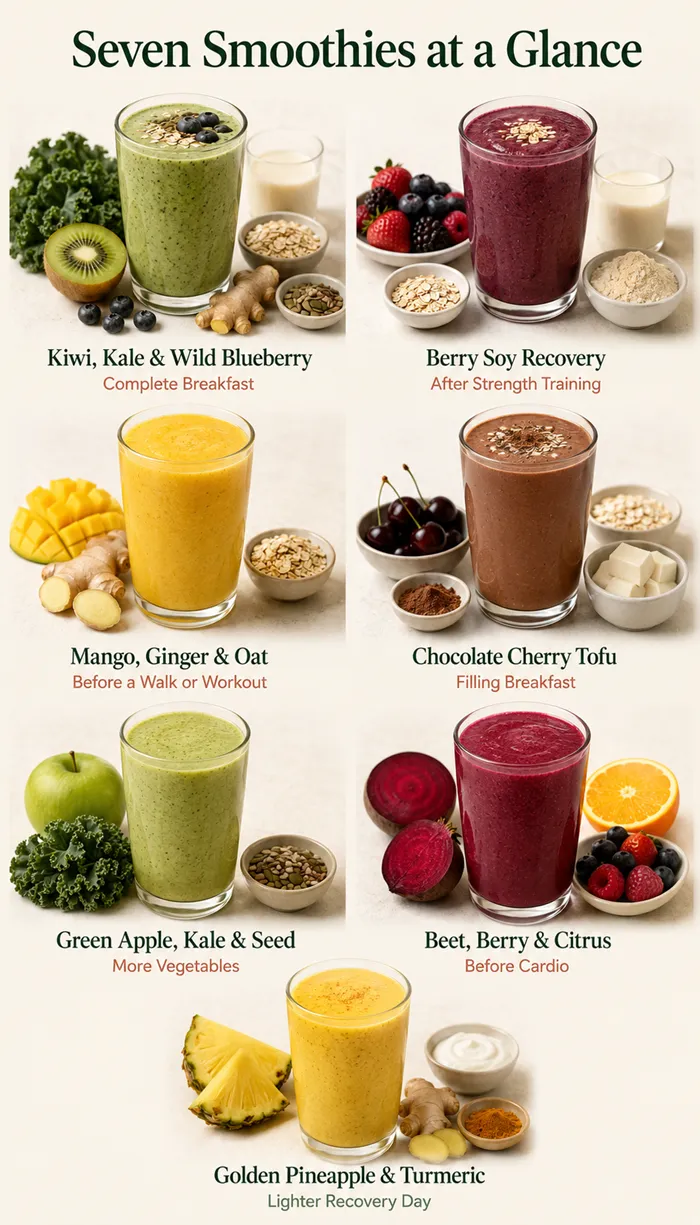
The Seven Smoothies at a Glance
| Smoothie | Best for | What makes it special |
|---|---|---|
| Anita’s Kiwi, Kale & Wild Blueberry Smoothie | A complete breakfast or after training | Greens, berries, soy, protein, oats, seeds, and ginger in one creamy glass |
| Berry Soy Recovery Smoothie | After strength training | Protein, berries, and carbohydrate for an easy recovery meal |
| Mango, Ginger & Oat Smoothie | Before a walk or workout | Lighter, naturally sweet, and easy to adjust for digestion |
| Chocolate Cherry Tofu Smoothie | A filling breakfast | Creamy silken tofu, cherries, cocoa, and oats |
| Green Apple, Kale & Seed Smoothie | Eating more vegetables | A practical way to use frozen kale without tasting like a salad |
| Beet, Berry & Citrus Smoothie | Before cardio or a brisk walk | Bright, fresh flavor with fruit and a small amount of beetroot |
| Golden Pineapple & Turmeric Smoothie | A lighter recovery day | Pineapple, ginger, turmeric, and creamy protein |
Each recipe will also be marked with a practical label:
- Best before a workout
- Best after strength training
- Best as a complete breakfast
- Best before a walk
- Best for a lighter day
That way, you are not just collecting recipes. You are learning when each smoothie is likely to fit your body and routine best.
The Fastest Way to Eat the Foods You Keep Meaning to Eat
Most people already know they should eat more vegetables.
The difficult part is not knowing.
It is doing it on an ordinary Tuesday morning when you are busy, tired, and not interested in chopping several different vegetables before breakfast.
A blender changes the practical equation.
Frozen kale can go directly from freezer to container. Berries do not need preparation. Silken tofu can be spooned straight from the pack. Oats, seeds, protein powder, ginger, and unsweetened soy milk can all be added in seconds.
A smoothie can therefore become a simple delivery system for foods that often disappear from the diet when life gets busy.
Kale is a perfect example
You may like kale but still not eat it very often.
Fresh kale needs washing, stripping, chopping, cooking, chewing, and usually seasoning. Frozen kale needs almost nothing.
In a powerful blender, a handful of frozen kale can disappear into berries, kiwi, mango, apple, ginger, cocoa, or nut butter. You still receive the whole blended vegetable, including its fiber, but you do not have to sit down with a bowl of leaves.
That is one of the strongest reasons to invest in a blender that can genuinely process fibrous greens.
A weak blender may technically “blend” kale while leaving tiny leaves and stems floating through the drink. A good high-speed blender turns it into part of the texture.
The result should taste like a smoothie that happens to contain kale—not like a salad that has been poured into a glass.
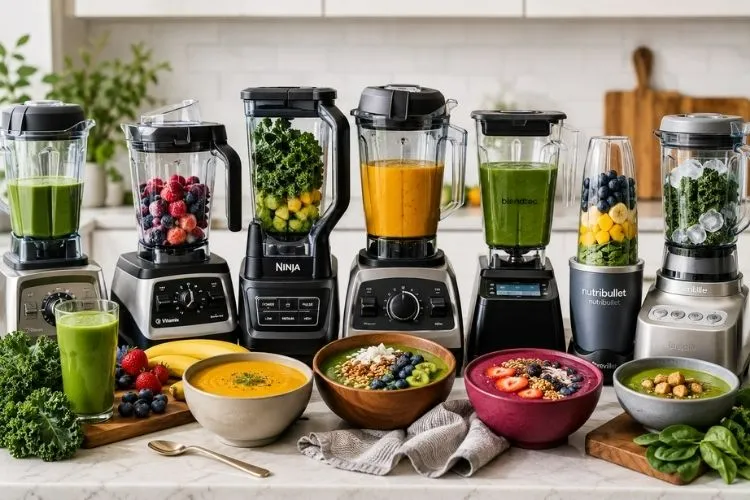
For help choosing a machine that can handle frozen greens, seeds, oats, and thick mixtures without constant scraping, see our guide to the best high-speed blenders for green smoothies.
What “Anti-Inflammatory” Really Means Here
The word anti-inflammatory is used far too casually online.
Adding a pinch of turmeric to a sugary drink does not automatically turn it into an anti-inflammatory meal. Nor can one smoothie cancel out the rest of a person’s diet, sleep, movement, smoking, alcohol intake, stress, or medical conditions.
The evidence is more realistic—and more useful.
For more on the broader eating pattern behind these recipes, read our guide to powerful diets and superfoods for optimal lung health.
Dietary patterns containing plenty of fruit, vegetables, whole grains, legumes, nuts, seeds, and unsaturated fats may support more favorable inflammatory profiles. Studies of fruit and vegetable interventions have reported beneficial changes in at least some inflammatory markers, although responses vary and no single food works in isolation. [1]
That is why these smoothies combine several useful food groups instead of depending on one fashionable ingredient.
A good recipe may include:
- Berries — for color, flavor, and polyphenol-rich fruit
- Kale or spinach — for an easy vegetable serving
- Oats — for whole-grain soluble fiber
- Soy milk or tofu — for plant protein and creaminess
- Chia or ground flaxseed — for fiber and unsaturated fats
- Ginger or turmeric — for flavor and plant compounds
- Kiwi, citrus, mango, or apple — for natural sweetness
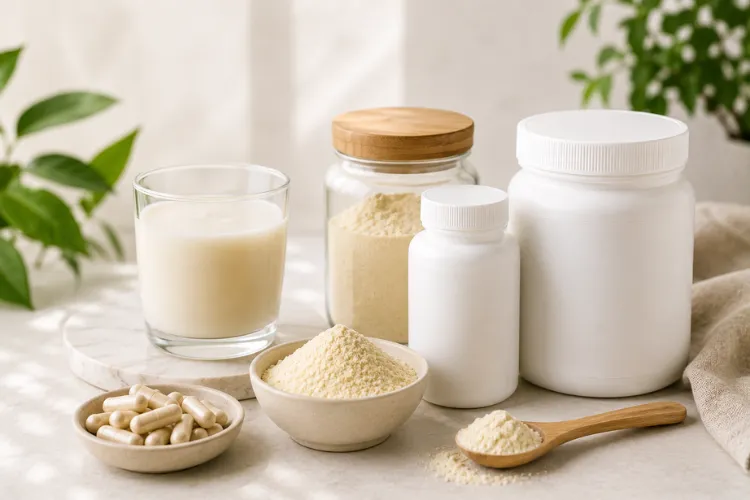
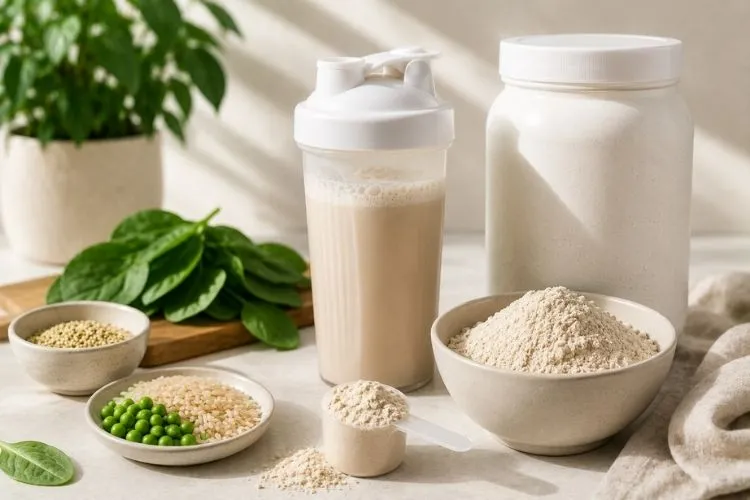
- Protein powder — when the smoothie needs to function as a meal
The power is in the pattern—and in making that pattern easy enough to repeat.
The Simple Formula for a Smoothie That Actually Satisfies You
A smoothie made only from fruit and juice can taste wonderful, but it may not keep you satisfied for very long.
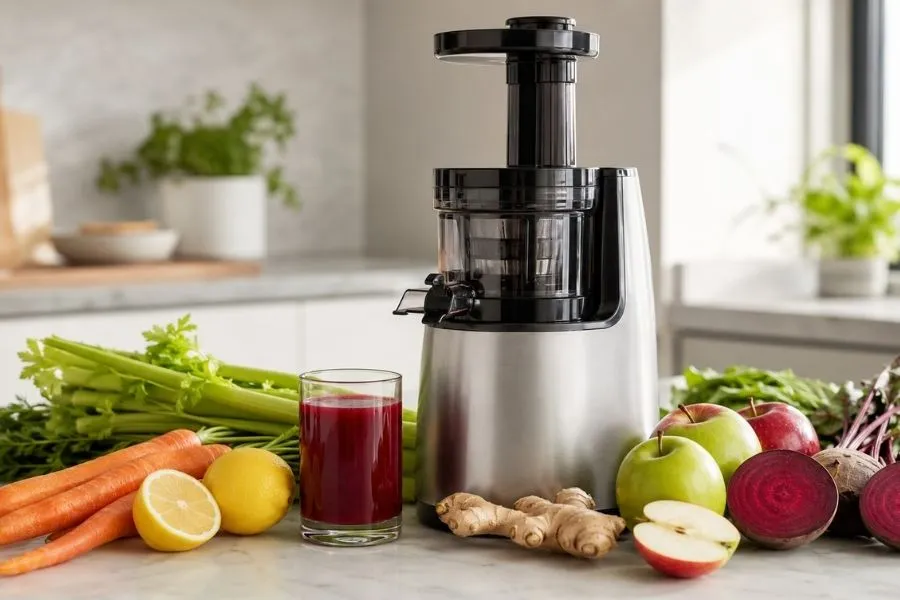
If you also enjoy fresh juice, explore our juicing recipes for immune support and guide to the best cold press juicers of 2026.
To turn it into a more complete breakfast or recovery drink, build it in layers.
1. Start with vegetables and fruit
Choose two or three:
- Frozen kale
- Spinach
- Frozen berries
- Kiwi
- Apple
- Mango
- Cherries
- Pineapple
- Citrus
- A small amount of beetroot
You do not need every smoothie to contain seven kinds of produce. Two or three well-chosen ingredients are enough.
2. Add a meaningful protein source
Options include:
- Unsweetened soy milk
- Silken tofu
- Greek-style yogurt
- Skyr
- A suitable protein powder
- Nut or seed butter
For active adults using the smoothie after training, a practical serving often provides around 20–30 grams of protein, although individual needs vary according to body size, age, total diet, and training. Research emphasizes that total daily protein and regular distribution across the day matter more than racing to consume it within a tiny post-workout window. [2]
3. Include fiber
Useful choices are:
- Oats
- Berries
- Kale
- Chia seeds
- Ground flaxseed
- Kiwi
- Apple
- Psyllium, when personally tolerated
Oat beta-glucan has been shown to reduce post-meal glucose and insulin responses when added in sufficient quantities to carbohydrate-containing meals, although the effect depends on dose and food preparation. [3]
4. Add healthy fat when it suits the timing
A small amount of:
- Chia
- Flaxseed
- Nut butter
- Seeds
- Avocado
- Extra virgin olive oil
can make a meal smoothie more satisfying.
Before exercise, however, a large amount of fat and fiber may feel heavy. That is why the same smoothie should not necessarily be made in exactly the same way before and after training.
Should You Drink Your Smoothie Before or After a Workout?
You can drink a smoothie either before or after training.
The better choice depends on what is in it and what you want it to do.
Before training: keep it lighter
Before a walk, gym session, or more intensive workout, the smoothie should provide usable energy without sitting heavily in your stomach.
A lighter option might include:
- Banana, mango, berries, or kiwi
- Unsweetened soy milk
- A modest amount of protein
- A small amount of oats
- Ginger
- Enough liquid for a drinkable texture
Use less:
- Nut butter
- Oil
- Large quantities of seeds
- Very large amounts of raw greens
- Heavy fiber additions
A smaller smoothie may feel comfortable around 60–90 minutes before training. A large smoothie containing oats, seeds, tofu, oil, and several cups of produce may need two to three hours, depending on personal tolerance.
Your stomach should be the final judge.
If digestive comfort affects your routine, these breathing techniques for digestion may also be useful.
After training: make it more complete
After strength training or a longer, more demanding session, the smoothie can become a proper recovery meal.
This is the time to include:
- A substantial protein source
- Fruit or oats for carbohydrate
- Kale or berries
- Seeds or nut butter
- Enough fluid
- Optional silken tofu or yogurt for creaminess
Protein supports muscle repair, while carbohydrate helps replace some of the glycogen used during activity. The body’s response to training lasts far longer than 30 minutes, so you do not need to panic about an imaginary window closing immediately after your final repetition. [2]
Anita’s smoothie fits especially well after exercise
My own smoothie may include:
- Kiwi
- Frozen kale
- Apple
- Ginger
- Wild blueberry powder
- Unsweetened soy milk
- Protein powder or silken tofu
- Oats
- Seeds
- A little olive oil
That is not a light pre-workout drink.
It is closer to a full meal.
With its combination of protein, carbohydrate, fiber, and fat, it fits naturally after strength training or before a longer gap until the next meal.
Before exercise, I would make it smaller and simpler: less oil, fewer seeds, less oat, and perhaps banana or berries with soy milk and a little protein.
The Short Walk That Helps Your Muscles Use the Smoothie
One of the most useful things you can do after a smoothie has nothing to do with changing the recipe.
Go for a walk.
When the muscles in your legs begin contracting, they need energy. Those contractions help move GLUT4 glucose transporters toward the surface of muscle cells, making it easier for the muscles to take glucose from the bloodstream and use it or restore glycogen. This pathway is partly independent of insulin. [4]
The glucose does not completely bypass the bloodstream, and a walk does not make calories disappear.
But movement gives some of the largest muscles in your body an immediate reason to take up fuel, which can reduce the size of the post-meal glucose rise compared with remaining seated.
A systematic review of randomized trials found that exercise performed after eating reduced post-meal glucose excursions compared with exercising before eating or remaining inactive. Studies have also found benefits from practical routines such as ten minutes of walking after meals. [5]
Anita’s practical rule
This is one reason I like to walk after my morning smoothie.
Whether I go for a simple walk or do more structured exercise, I am giving my muscles something to do with the energy I have just consumed.
Modern life often follows the opposite pattern: we eat, sit down, and then remain almost completely still while the body manages the meal.
Weight gain is more complicated than one smoothie or one period of sitting. But repeatedly eating more energy than we use, while spending much of the day inactive, can contribute to the wider problem.
A short walk changes the immediate pattern.
You do not need to turn it into a punishing workout. Ten to fifteen comfortable minutes can be a realistic place to begin. When a longer walk fits naturally into your morning, even better.
The simple version
- Drink a light smoothie before training: Let the workout be the movement that follows.
- Drink a larger smoothie after strength training: A gentle walk afterward can still prevent you from moving directly from the blender to a chair.
- Drink your smoothie as breakfast: Try taking a short walk before sitting down to work.
The goal is not perfection.
It is to connect food with movement in a way that feels natural enough to repeat.
How to Blend Any of These Smoothies in Under a Minute
The easiest smoothie routine is the one you can repeat without thinking.
Add ingredients in this order:
- Liquid
- Silken tofu, yogurt, or other soft ingredients
- Protein powder, oats, and seeds
- Leafy greens
- Fresh fruit
- Frozen fruit and ice
Start at a low speed, then quickly increase to high. Blend until the drink looks completely uniform rather than stopping the moment the blades begin moving.
With a high-speed blender, most smoothies should become creamy in approximately 30–60 seconds. Use the tamper when a thick mixture stops circulating instead of immediately pouring in more liquid.
Frozen ingredients give you the coldest, thickest result. Keeping kale, berries, mango, cherries, and sliced banana in the freezer also means most of the preparation has already been done.
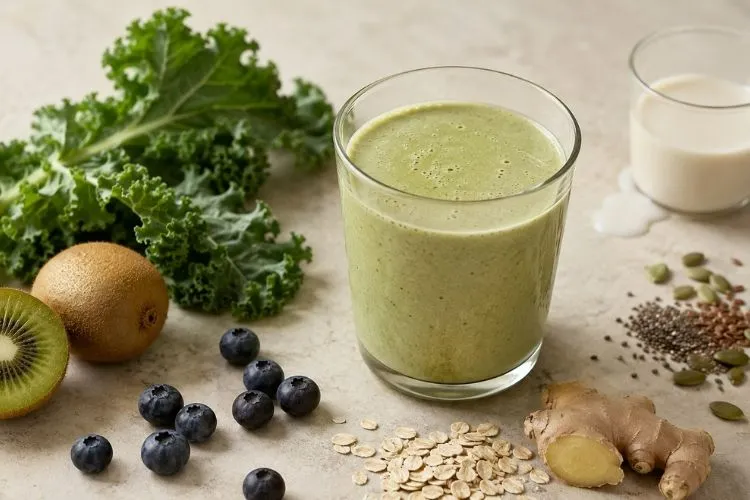
1. Anita’s Kiwi, Kale & Wild Blueberry Smoothie
Best as: A complete breakfast or post-workout meal
Why you’ll love it: This is the smoothie that turns an impressive amount of kale, fruit, protein, fiber, and healthy fat into one bright, cold breakfast. It tastes fresh and fruity rather than overwhelmingly green, and it keeps the whole morning routine in one glass.
This is close to the smoothie I make myself.
I do not use the blender simply to make fruit taste sweeter. I use it to include foods I might otherwise struggle to fit into one morning: frozen kale, kiwi, apple, ginger, soy, oats, seeds, protein, and wild blueberries.
Ingredients
- 1 whole kiwi, peeled or thoroughly washed
- 1 small apple, cored and chopped
- 2 cups frozen kale
- ½ organic lemon, thoroughly scrubbed, with peel (or use the juice plus a little zest for a milder flavor)
- 1 cm fresh ginger
- 1 scoop wild blueberry powder (or ¾ cup frozen wild blueberries)
- 1 cup unsweetened soy milk
- 100–150 g silken tofu (or enough protein powder to provide a meaningful protein serving)
- ¼ cup rolled oats
- 1 tablespoon chia seeds or ground flaxseed
- 1 teaspoon to 1 tablespoon extra virgin olive oil, optional
- Cold water or mineral water as needed
- Ice, optional
How to make it
- Pour the soy milk into the blender.
- Add the tofu or protein powder, oats, seeds, ginger, and olive oil.
- Add the kiwi, apple, lemon, blueberry powder, and frozen kale.
- Begin at low speed and increase to high.
- Blend for 45–60 seconds, using the tamper if necessary.
- Add a little cold water only if the mixture is thicker than you enjoy.
Why the combination works
The kiwi, apple, lemon, and blueberries bring enough brightness to soften the stronger flavor of kale. Ginger makes the smoothie taste fresh, while tofu or protein powder gives it the structure of a meal rather than a glass of fruit.
Oats and seeds add fiber and make the texture more substantial. Research on oats suggests that their beta-glucan can reduce post-meal glucose and insulin responses when consumed in sufficient amounts as part of a carbohydrate-containing meal, although the effect depends on the quantity and the way the oats are processed. [1]
Berries provide anthocyanins and other polyphenols, but they should be viewed as one valuable part of a varied plant-rich diet—not as a treatment on their own. Human research on berries and inflammatory markers is promising but not uniform across every population and outcome. [2]
Make it lighter before exercise
For a lighter version before a walk or workout:
- Use one cup of kale rather than two
- Leave out the oil
- Use fewer seeds
- Reduce the oats
- Keep the soy milk and a moderate amount of protein
- Drink a smaller serving
Make it more substantial after strength training
For a post-workout meal:
- Use the full tofu or protein serving
- Keep the oats
- Include the seeds
- Add half a banana when you want more carbohydrate
- Drink water alongside it after a sweaty session
Worth knowing
With two cups of kale, oats, seeds, tofu, and oil, the full recipe is a genuine meal rather than a light drink, so reduce the portion when you want something smaller.
2. Berry Soy Recovery Smoothie
Best as: A post-strength-training smoothie
Why you’ll love it: Cold berries, creamy soy, and banana create the kind of smoothie that tastes almost too simple to be useful—yet it gives you protein, carbohydrate, fruit, and fiber in the time it takes to rinse the blender.
Ingredients
- 1 cup frozen mixed berries
- ½ to 1 frozen banana
- 1¼ cups unsweetened soy milk
- 1 serving plain or vanilla protein powder
- 2 tablespoons rolled oats
- 1 tablespoon ground flaxseed
- ½ teaspoon cinnamon
- A small pinch of salt, optional
- Cold water as needed
How to make it
- Add the soy milk, protein powder, oats, flaxseed, cinnamon, and salt.
- Add the banana and frozen berries.
- Blend on high until silky and completely uniform.
- Add a small amount of water when you prefer a thinner recovery drink.
Why it fits after training
After strength training, the combination of protein and carbohydrate makes practical sense.
The protein supports the body’s muscle-repair process, while the fruit, soy milk, and oats provide carbohydrate that can contribute to restoring the energy used during exercise.
The berries also turn a basic protein shake into a whole-food smoothie with flavor, fiber, and plant compounds.
This does not need to be consumed within minutes of your final exercise. Your total protein intake across the day remains central, and the smoothie is simply a convenient way to make the next nourishing meal happen.
Make it more filling
Add one of the following:
- 100 g silken tofu
- Another two tablespoons of oats
- One tablespoon of almond or peanut butter
- Chia seeds
- Plain yogurt or skyr
Make it lighter
Use half a banana, leave out the oats, and keep the flaxseed to one teaspoon.
Worth knowing
This smoothie is designed to be drinkable rather than spoon-thick; add nut butter and extra oats only when it is replacing a meal rather than accompanying one.
3. Mango, Ginger & Oat Pre-Workout Smoothie
Best as: A lighter smoothie before walking, cycling, or training
Why you’ll love it: Mango makes this smoothie naturally creamy and golden, while ginger keeps it fresh and bright. It gives you useful energy without requiring a long list of ingredients or leaving you feeling as though you ate a full breakfast immediately before moving.
Ingredients
- 1 cup frozen mango
- ½ banana
- 1 cup unsweetened soy milk
- 2 tablespoons rolled oats
- ½ serving plain or vanilla protein powder, optional
- 1–2 cm fresh ginger
- A squeeze of lime or lemon
- Cold water as needed
How to make it
- Add soy milk, protein powder, oats, ginger, and citrus juice.
- Add the banana and frozen mango.
- Blend until smooth and pourable.
- Add water gradually when you want a lighter consistency.
Why it works before activity
Mango and banana provide carbohydrate in a form that is easy to build into a small pre-exercise meal. Soy milk and optional protein powder contribute protein without requiring a large quantity of food.
The recipe deliberately avoids a heavy amount of oil, nut butter, seeds, and raw greens.
Those ingredients can be valuable at other times of day, but a large amount of fat and fiber immediately before training may feel uncomfortable for some people.
Drink a modest serving approximately 60–90 minutes before activity and adjust the timing according to how your own stomach responds.
Before a simple morning walk
A shorter, comfortable walk may not require a special pre-workout meal at all.
But when you are hungry, this smoothie offers an easy middle ground between exercising on an empty stomach and eating a heavy breakfast first.
The walk itself then becomes the movement that follows the smoothie, allowing your working muscles to begin using available fuel.
Turn it into a full breakfast
After your walk, blend in or serve alongside:
- A full serving of protein
- Chia or ground flaxseed
- More oats
- Silken tofu
- A handful of pumpkin seeds
- Plain yogurt or skyr
Worth knowing
Keep the pre-workout serving relatively small when you are sensitive to food before exercise; the full recipe can instead be divided, with part enjoyed before activity and the rest afterward.
4. Chocolate Cherry Tofu Smoothie
Best as: A filling breakfast or creamy post-workout treat
Why you’ll love it: This tastes closer to a chilled chocolate dessert than a “healthy smoothie.” Silken tofu disappears completely into the cherries and cocoa, creating a thick, velvety texture without making the drink taste like tofu.
Ingredients
- 1 cup frozen dark or tart cherries, pitted
- 150 g silken tofu
- 1 cup unsweetened soy milk
- 1 tablespoon unsweetened cocoa powder
- ¼ cup rolled oats
- ½ banana or 1 soft date, optional
- ½ teaspoon vanilla
- A pinch of cinnamon
- 1 tablespoon almond or peanut butter, optional
- Ice or cold water as needed
How to make it
- Add the soy milk, tofu, cocoa, oats, vanilla, and cinnamon.
- Add the cherries and optional banana or date.
- Blend on high until the drink looks glossy and completely smooth.
- Add nut butter when you want a richer meal smoothie.
- Thin with cold water when needed.
Why silken tofu works so well
Silken tofu gives a smoothie body and creaminess without introducing a strong flavor.
It works particularly well with cocoa, cherries, berries, banana, coffee, and nut butter. Because it is soft, it blends quickly and does not require soaking or preparation.
For people who do not enjoy drinking a conventional protein shake, tofu can make protein feel like part of the food rather than something added afterward.
What about cherries and recovery?
Tart cherry products have been studied in relation to recovery from strenuous exercise. Reviews have found potential benefits in some settings, but the research typically examines specific quantities of tart cherry juice, concentrate, or supplements consumed according to a planned protocol.
One serving of ordinary cherries in a smoothie should not be presented as equivalent to those interventions. The honest reason to include them here is simpler: they are delicious, colorful whole fruit that pairs beautifully with protein, oats, and cocoa. [3]
Make it greener without changing the flavor much
Add:
- ½ cup frozen kale, or
- A handful of baby spinach
The cocoa and cherries conceal the green flavor surprisingly well, making this a useful recipe for someone who wants more leafy vegetables but does not enjoy a clearly “green” smoothie.
Make it lighter
Leave out the nut butter and use only two tablespoons of oats.
Make it more substantial after training
Use:
- The full amount of tofu
- A full cup of soy milk
- The oats
- The nut butter
- Optional additional protein powder when needed
Worth knowing
Cocoa and cherries hide leafy greens extremely well, but adding too much kale at once can make the texture thicker, so begin with half a cup and increase it gradually.
5. Green Apple, Kale & Seed Smoothie
Best as: An everyday breakfast when you want an easy way to eat more vegetables
Why you’ll love it: Crisp apple, lemon, and ginger make this smoothie taste bright and fresh, while the kale disappears into a smooth, creamy texture instead of making breakfast feel like a chore.
This is the recipe for the bag of frozen kale you keep meaning to use.
The combination of apple, citrus, and ginger softens the green flavor, while soy milk and seeds make the smoothie more satisfying than a simple fruit drink.
Ingredients
- 1 small green or sweet apple, cored and chopped
- 1–2 cups frozen kale
- ½ banana or ½ cup frozen mango
- 1 cup unsweetened soy milk
- Juice of ½ lemon
- 1 cm fresh ginger
- 1 tablespoon ground flaxseed
- 1 tablespoon pumpkin seeds or hemp seeds
- 2 tablespoons rolled oats
- 100 g silken tofu or ½–1 serving protein powder, optional
- Cold water as needed
- Ice, optional
How to make it
- Add the soy milk, lemon juice, tofu or protein powder, oats, flaxseed, pumpkin seeds, and ginger to the blender.
- Add the apple, banana or mango, and frozen kale.
- Begin at low speed and increase to high.
- Blend for 45–60 seconds, or until the drink is completely smooth.
- Add cold water gradually if you prefer a thinner texture.
Why this is an easy way to eat more kale
Kale is nutritious, inexpensive, and easy to keep frozen—but it is not always convenient to prepare as part of breakfast.
In a smoothie, it can be combined with foods you are already likely to enjoy. Apple adds sweetness and freshness, lemon lifts the flavor, and ginger prevents the drink from tasting flat or overly vegetal.
A powerful blender matters here because kale should become part of the smoothie rather than remain as small pieces floating through it.
The result should be cold, smooth, and refreshing—not something you need to chew.
Make it sweeter without adding sugar
Try:
- A full banana
- Frozen mango
- A soft date
- More apple
- A small handful of frozen pineapple
Begin with fruit rather than honey, syrup, or fruit juice. You can always adjust the sweetness after blending.
Make it a complete breakfast
Include:
- The tofu or full protein serving
- The oats
- Both flaxseed and pumpkin seeds
- A slightly larger serving of soy milk
Make it lighter before activity
Use:
- One cup of kale
- Half the oats
- No pumpkin seeds
- Half a banana
- A smaller serving
Worth knowing
Two cups of kale create a deeply green, substantial smoothie; begin with one cup if you are new to green smoothies and increase it as your taste adjusts.
6. Beet, Berry & Citrus Smoothie
Best as: A bright pre-walk or pre-workout smoothie
Why you’ll love it: Berries and citrus soften beetroot’s earthy flavor and turn it into something jewel-colored, fresh, and surprisingly easy to drink.
Beetroot can be difficult to fit into an ordinary breakfast.
You may not feel like roasting or grating it first thing in the morning, but a small amount can disappear beautifully into berries, orange, and ginger.
The key is not to let the beetroot dominate.
Ingredients
- ½ cup frozen mixed berries
- ¼–½ small raw beetroot, peeled and chopped into small pieces (or ½ cup cooked beetroot)
- 1 small orange, peeled
- ½ banana
- 1 cup unsweetened soy milk or cold water
- 1 cm fresh ginger
- Juice of ½ lemon, optional
- ½ serving plain or vanilla protein powder, optional
- 1 tablespoon rolled oats, optional
- Ice as needed
How to make it
- Add the liquid, protein powder, oats, ginger, and citrus.
- Add the beetroot, banana, and frozen berries.
- Blend on high until the beetroot is completely broken down.
- Taste before adding more beetroot—the flavor becomes stronger quickly.
- Add water or ice to reach your preferred consistency.
Why the flavor works
Beetroot brings earthiness, while berries, orange, lemon, and ginger bring acidity and sweetness.
The banana rounds everything out and gives the smoothie a creamier texture.
Using only a small amount of beetroot makes the recipe feel like a berry smoothie with extra depth rather than a glass of blended vegetables.
Before exercise
Beetroot is often used in sports-nutrition research because it contains dietary nitrate. However, the studies typically use measured quantities of beetroot juice, concentrate, or nitrate rather than a casual spoonful of beetroot in a smoothie.
This recipe should therefore be viewed as a colorful whole-food smoothie—not as a guaranteed performance supplement.
What makes it practical before activity is simpler:
- It contains carbohydrate from fruit
- It is relatively low in fat
- It can be kept light
- It is easy to drink before a walk or workout
- The ginger and citrus keep the flavor fresh
A modest serving may work around 60–90 minutes before exercise, depending on your digestion.
Make it more substantial afterward
Add:
- A full serving of protein powder
- Silken tofu
- More soy milk
- Two tablespoons of oats
- Chia or ground flaxseed
Make it gentler
Use cooked beetroot rather than raw beetroot and begin with only a quarter of a small beet.
Worth knowing
Beetroot can temporarily turn urine or stool pink or red in some people; this is usually harmless, but unexpected or persistent discoloration should not automatically be assumed to come from food.
7. Golden Pineapple & Turmeric Smoothie
Best as: A lighter breakfast or recovery-day smoothie
Why you’ll love it: Pineapple, mango, ginger, and vanilla turn turmeric into something creamy and tropical rather than medicinal. It tastes like sunshine in a glass—not a supplement you are forcing yourself to finish.
Turmeric is frequently added to “anti-inflammatory” recipes as though one teaspoon can transform the entire meal.
That is not how diet works.
But turmeric can still be a flavorful part of a smoothie built around fruit, protein, fiber, and a broader plant-rich eating pattern.
Ingredients
- 1 cup frozen pineapple
- ½ cup frozen mango
- 1 cup unsweetened soy milk
- 100 g silken tofu or ½–1 serving vanilla protein powder
- ¼ teaspoon ground turmeric
- 1–2 cm fresh ginger
- 2 tablespoons rolled oats
- 1 teaspoon chia seeds or ground flaxseed
- ½ teaspoon vanilla
- A very small pinch of black pepper, optional
- Cold water as needed
How to make it
- Add the soy milk, tofu or protein powder, turmeric, ginger, oats, seeds, and vanilla.
- Add the frozen pineapple and mango.
- Blend on high until thick, creamy, and completely smooth.
- Add cold water when you want a lighter drink.
- Taste before adding more turmeric.
Why a small amount of turmeric is enough
Turmeric has a strong, earthy flavor.
Adding more does not automatically make the smoothie more effective, but it can quickly make it bitter or difficult to enjoy.
A quarter teaspoon allows the pineapple, mango, ginger, and vanilla to remain the main experience.
The most useful smoothie is the one you genuinely look forward to making again.
Should you add black pepper?
Black pepper is often paired with turmeric because piperine can influence curcumin absorption.
However, concentrated curcumin supplements combined with piperine are different from adding a tiny amount of culinary turmeric and pepper to food. Piperine can also affect the way some medicines are processed.
A tiny culinary pinch is optional. There is no need to make the smoothie aggressively peppery in pursuit of a stronger health effect.
Make it a complete breakfast
Add:
- The full tofu or protein serving
- More oats
- One tablespoon of nut or seed butter
- A larger serving of soy milk
Make it lighter
Use water for part of the liquid, leave out the oats, and use half the tofu or protein serving.
Worth knowing
Turmeric stains pale blender lids, clothing, wooden utensils, and countertops easily, so rinse splashes immediately rather than waiting until after breakfast.
How to Prep a Week of Smoothies Without Making Them Taste Old
A smoothie can be fast even when you do not prepare anything in advance.
But a few simple freezer packs can turn the process into something almost automatic.
Make individual freezer packs
Place the fruit and vegetables for one smoothie into a reusable freezer container or bag.
For example:
- Kale
- Berries
- Banana
- Mango
- Pineapple
- Cherries
- Chopped apple
- Chopped beetroot
- Ginger
In the morning, empty the frozen pack into the blender and add the liquid, protein, oats, and seeds.
Keep powders and seeds separate
Do not freeze protein powder, oats, chia seeds, or ground flaxseed in a damp fruit mixture.
Store dry ingredients in a small jar or prepare a weekly dry mix containing:
- Oats
- Ground flaxseed
- Chia seeds
- Cinnamon
- Protein powder, when the same amount is used each day
This reduces measuring without leaving powders stuck inside a frozen bag.
Freeze ingredients in usable pieces
Before freezing:
- Slice bananas
- Remove cherry stones
- Core apples
- Peel and chop beetroot
- Portion kale
- Divide mango and pineapple
- Cut ginger into small pieces
A blender works faster when it does not need to break down one solid frozen block.
Do not fill the blender the night before and leave it standing
Acidic fruit, protein powder, oats, and seeds can thicken, separate, or stick to the container overnight.
For the freshest texture, keep ingredients separate and blend shortly before drinking.
Prepare the smoothie—not the entire week of finished drinks
A freshly blended smoothie usually tastes brighter and has a better texture than one stored for several days.
When you must prepare it in advance:
- Fill the container almost to the top to reduce air exposure
- Seal it tightly
- Refrigerate immediately
- Shake before drinking
- Use it as soon as reasonably possible
Separation is normal because blended whole foods do not contain the stabilizers used in many commercial drinks.
How to Make a Smoothie Taste Better Without Turning It Into Dessert
Use acidity
Lemon, lime, orange, or kiwi can make kale, beetroot, and protein powder taste fresher.
Add natural creaminess
Try:
- Frozen banana
- Mango
- Silken tofu
- Yogurt
- Oats
- Avocado
- Nut butter
Use ginger, vanilla, cinnamon, or cocoa
These ingredients create flavor without requiring large amounts of sweetener.
Add a small pinch of salt
A tiny pinch can make fruit taste sweeter and round out cocoa or nut-butter smoothies.
Let frozen fruit do the cooling
A warm smoothie often tastes flatter and less refreshing. Frozen fruit creates a thicker, colder result without diluting it with large amounts of ice.
Increase greens gradually
Begin with half a cup or one cup of kale and work upward.
There is no prize for making a smoothie so intensely green that you never want another one.
Frequently Asked Questions
Can I drink an anti-inflammatory smoothie every day?
A well-balanced smoothie can be part of your everyday routine, particularly when it helps you eat fruit, vegetables, whole grains, seeds, and protein consistently.
Variation still matters.
Rotate berries, kale, spinach, mango, kiwi, apple, citrus, cherries, pineapple, seeds, and protein sources rather than using the exact same recipe every day.
Will one smoothie reduce inflammation?
No single smoothie can be expected to lower inflammation on its own.
The more meaningful pattern includes: a varied diet, regular movement, adequate sleep, avoiding smoking, moderating alcohol, managing relevant medical conditions, and maintaining an appropriate overall energy intake.
The smoothie is useful because it makes several whole foods easier to consume regularly.
Is frozen fruit as useful as fresh fruit?
Frozen fruit and vegetables can be excellent smoothie ingredients.
They are convenient, reduce waste, create a cold texture, and make it easier to keep berries, kale, mango, cherries, and pineapple available throughout the year.
Choose products without added sugar or syrup.
Can I use frozen kale directly in a smoothie?
Yes.
Add liquid and soft ingredients first, then the kale and other frozen ingredients.
A high-speed blender will usually give the smoothest result. With a less powerful blender, allow the kale to soften for a few minutes or use a smaller amount at first.
Should I use kale or spinach?
Spinach has a milder flavor and may be easier for someone beginning with green smoothies.
Kale has a more noticeable taste and a firmer texture, but berries, mango, apple, ginger, citrus, cocoa, and banana can soften it considerably.
You can also use half kale and half spinach.
Do smoothies contain too much sugar?
That depends on the recipe and serving size.
A smoothie containing several bananas, dates, juice, honey, and sweetened yogurt will be very different from one made with vegetables, berries, unsweetened soy milk, protein, oats, and seeds.
To make the drink more balanced: use whole fruit instead of fruit juice, include vegetables, add protein, include fiber, avoid unnecessary sweeteners, match the serving to your needs, and move after drinking it when that fits your routine.
Is it better to drink a smoothie before or after exercise?
A lighter smoothie containing fruit, liquid, and a moderate amount of protein may work before exercise.
A more substantial smoothie containing protein, oats, seeds, tofu, and healthy fat is usually better after training or as a complete breakfast.
The right timing depends on your digestion, the size of the smoothie, and the intensity of the activity.
Does walking after a smoothie help blood sugar?
Muscle contractions increase the muscles’ demand for fuel and help them take up glucose from the bloodstream.
A comfortable walk after a smoothie or meal can therefore reduce the post-meal glucose rise compared with remaining seated.
The glucose does not bypass the bloodstream, and movement does not erase calories. It gives active muscles an immediate use for part of the available energy.
How much protein should a smoothie contain?
A light snack smoothie may need only a modest amount.
When the smoothie is replacing breakfast or being used after strength training, many people aim for approximately 20–30 grams, but needs vary by body size, age, activity, health, and total daily food intake.
Count protein from all ingredients, including soy milk, tofu, yogurt, seeds, oats, and protein powder.
Can a smoothie replace breakfast?
Yes, when it is substantial enough.
A complete breakfast smoothie should generally contain: fruit or vegetables, a meaningful protein source, fiber, some carbohydrate, optional healthy fat, and enough total energy to suit your morning.
A small fruit-and-water smoothie may be refreshing, but it is unlikely to function as a complete meal for most people.
Final Thoughts
The best smoothie is not the one with the longest ingredient list or the most fashionable powder.
It is the one that makes good food easier to eat.
A blender can turn the kale you rarely cook, the berries hidden at the back of the freezer, the oats you forget to use, and the tofu you are not sure how to prepare into something cold, creamy, and ready in less than a minute.
That convenience matters.
When a healthy choice requires chopping, cooking, washing several pans, and planning hours ahead, it is easy to postpone. When it requires opening the freezer and pressing one button, it can become part of an ordinary morning.
Start with the recipe that sounds most delicious—not the one that appears most virtuous.
Try the Chocolate Cherry Tofu Smoothie when you want something rich and comforting. Choose Mango, Ginger & Oat before a walk. Make Anita’s Kiwi, Kale & Wild Blueberry Smoothie after training or when you need a complete breakfast.
Then move.
Take the smoothie on a walk, use it before training, or enjoy it after exercise and avoid moving directly from the kitchen to hours of sitting.
The aim is not to create a perfect morning.
It is to create a morning routine that quietly helps you eat more plants, get enough protein and fiber, use the energy you consume, and feel good enough to repeat it tomorrow.