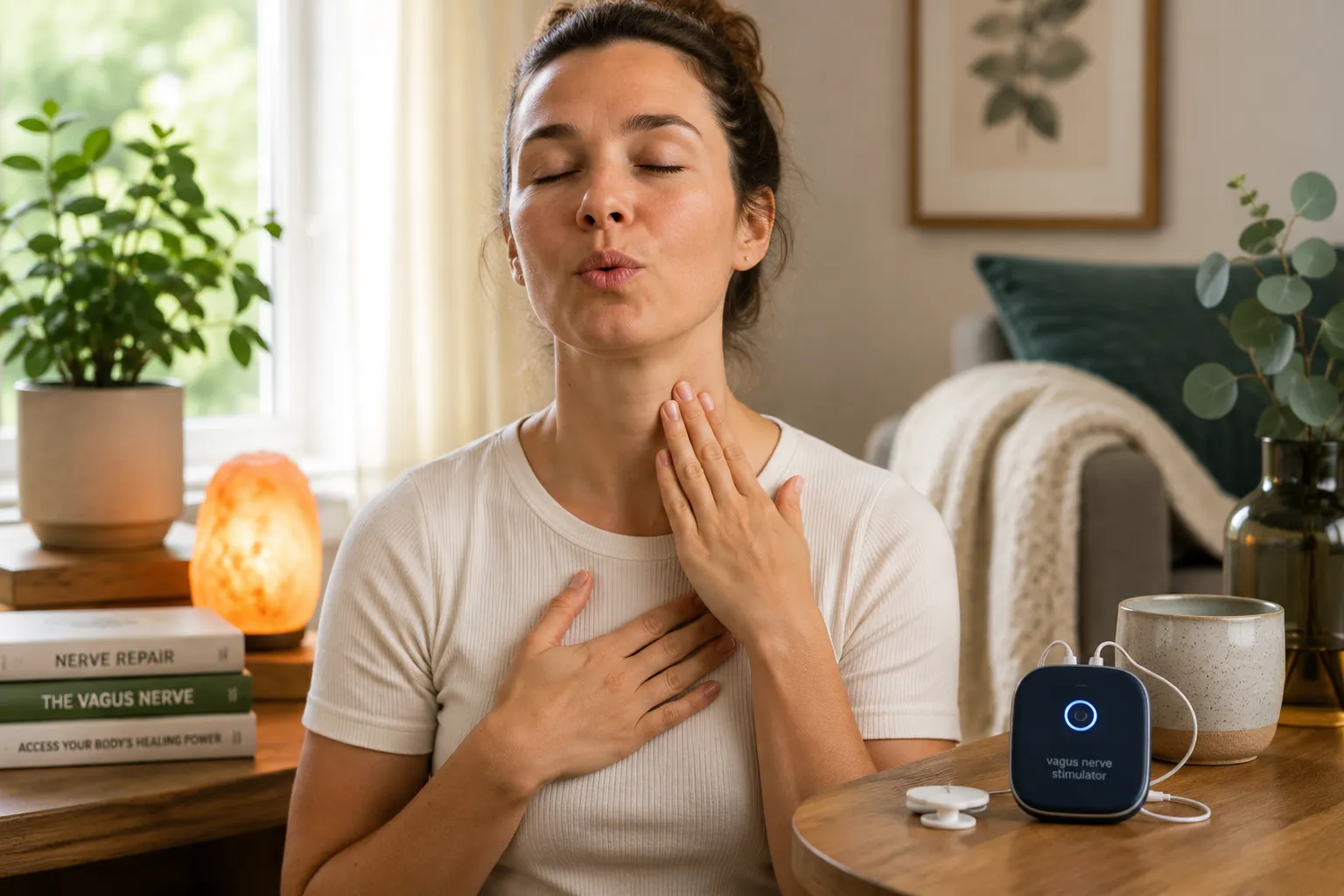
When people search for how to stimulate the vagus nerve, they are often looking for one thing: a way to feel calmer in their own body.
Maybe your breathing feels shallow. Maybe stress sits in your chest. Maybe your nervous system feels “on” even when nothing urgent is happening. Or maybe you have heard that humming, slow breathing, cold exposure, and vagus nerve devices can help you shift out of fight-or-flight.
The vagus nerve is real. It plays an important role in the parasympathetic nervous system, which is often described as the “rest and digest” side of your body’s stress system. But online advice about “vagus nerve stimulation” can become exaggerated very quickly.
This guide explains what the vagus nerve does, how to support it gently, which vagus nerve exercises are realistic, when humming may help, what to know before buying a vagus nerve stimulator device, and why I think simple breathing education is still one of the best places to start.
This is not a medical treatment plan. It is a calm, practical starting point.
Quick Answer: How Do You Stimulate the Vagus Nerve?
You can gently support vagus nerve activity through simple practices that encourage slower breathing, longer exhalation, vocal vibration, relaxation, and a sense of safety in the body.
The most practical vagus nerve toning exercises include:
- Slow breathing with a longer exhale
- Humming
- Soft singing or chanting
- Gentle gargling
- Diaphragmatic breathing
- Relaxation practices
- Mindful movement
- Cold face exposure, only if appropriate for you
Vagus nerve stimulator devices also exist, but there is an important difference between medical vagus nerve stimulation and consumer wellness devices. Mayo Clinic explains that FDA-approved implanted vagus nerve stimulation devices are used medically for conditions such as epilepsy and depression.
For everyday stress support, start with low-risk techniques like slow breathing and humming before considering a device.
At-a-Glance: Best Ways to Support the Vagus Nerve
| Method | Best for | Time needed | Risk level | My take |
| Slow breathing with longer exhales | Stress, anxiety, bedtime calming | 2–5 minutes | Low for most people | Best starting point |
| Humming | Tension, shallow breathing, calming rhythm | 1–3 minutes | Low for most people | Simple and underrated |
| Diaphragmatic breathing | Breath awareness, nervous system support | 3–10 minutes | Low for most people | Helpful daily habit |
| Gentle singing or chanting | Mood, breath rhythm, emotional release | 2–10 minutes | Low for most people | Good if humming feels awkward |
| Cold face splash | Alert-to-calm reset | 10–30 seconds | Not for everyone | Use caution |
| Vagus nerve stimulator device | Specific medical or wellness use | Varies | Depends on device | Research carefully |
| HRV tracking | Feedback and habit tracking | Passive | Low | Useful but not required |
| Breath education book | Deeper context and motivation | Flexible | Low | Helpful if you like learning the “why” |
Anita’s Take
When I think about the vagus nerve, I do not think about “hacking” the body.
I think about learning to send the body repeated signals of safety.
For me, the most useful tools are usually the simple ones: slower breathing, a longer exhale, humming, walking, reducing stimulation before sleep, and paying attention to how the body feels instead of forcing it into calm.
I am careful with the phrase “vagus nerve stimulation” because it can mean very different things. A prescribed medical device is not the same as humming in the shower or doing a two-minute breathing practice before bed.
I also think education matters. Years ago, I read Breath: The New Science of a Lost Art by James Nestor, and it stayed with me. It made me think much more seriously about how modern breathing habits, mouth breathing, nasal breathing, and slower breathing patterns affect the way we feel in our bodies. I would not treat the book as a medical guideline, but as a readable doorway into why breathing matters.
That is why I would start gently. You do not need to buy a device first. You do not need a complicated protocol. You need a few repeatable practices that help your breathing slow down and your body feel a little less braced.
That is the Breathful Living approach: calm, practical, and never extreme.
What Is the Vagus Nerve?
The vagus nerve is one of the major nerves connecting the brain with the body. It travels from the brainstem through the neck and chest and influences many functions, including heart rate, digestion, breathing patterns, voice, and parts of the stress response.
It is closely linked with the parasympathetic nervous system — the side of the nervous system associated with recovery, digestion, and downshifting after stress.
This is why people often talk about the vagus nerve in relation to anxiety, breathing, heart rate variability, digestion, and emotional regulation.
But it is important to stay realistic. You are not “turning on” or “fixing” the vagus nerve with one exercise. You are using repeated body-based cues that may help your nervous system shift toward a calmer state.
If digestion is your main interest, I have also written about breathing techniques for digestion.
Vagus Nerve Stimulation vs Vagus Nerve Toning
These two phrases are often used together, but they are not the same.
Medical vagus nerve stimulation
Medical vagus nerve stimulation usually means a device-based therapy. Cleveland Clinic describes VNS as using an implantable device that sends electrical impulses to the vagus nerve, sometimes described as a “pacemaker for the brain.” It is used for specific medical conditions such as difficult-to-control epilepsy, depression, and stroke rehabilitation.
This is not something you start casually at home without medical guidance.
Non-invasive vagus nerve stimulation
Some non-invasive devices stimulate nerves through the skin, often around the ear or neck. Some are medical devices, while others are consumer wellness products. The evidence, intended use, and safety profile can vary widely.
If a device claims to treat anxiety, depression, migraine, epilepsy, or another medical condition, it should be treated as a medical decision, not just a wellness purchase.
Vagus nerve toning exercises
Vagus nerve toning exercises usually refer to gentle practices such as breathing, humming, chanting, gargling, relaxation, or cold face exposure.
These are not the same as clinical VNS, but they may support relaxation and parasympathetic activity for some people.
Why Breathing Affects the Vagus Nerve
Breathing is one of the most accessible ways to influence the stress response.
Slow breathing, especially with a longer exhale, may help shift the body toward parasympathetic activity. A scientific review on respiratory vagal stimulation explains that slow breathing with extended exhalation may signal relaxation through vagal pathways and respiratory feedback.
This is why many calming breathing methods focus less on taking huge breaths and more on making the exhale slow, steady, and comfortable.
For a broader overview, see the benefits of breathing exercises for stress relief.
You do not need to force your breath. In fact, forcing the breath can make anxious breathing worse for some people.
The goal is simple:
- Breathe gently.
- Exhale slightly longer than you inhale.
- Let your shoulders soften.
- Keep the practice short enough that your body trusts it.
Recommended Reading: Breath by James Nestor
One book that helped bring modern breathing habits into mainstream conversation is Breath: The New Science of a Lost Art by James Nestor.
Nestor is not a doctor. He is a science journalist and author. But his book is useful because it connects research, history, personal experimentation, nasal breathing, mouth breathing, slow breathing, and the way modern humans often breathe without thinking about it.
On his official website, Nestor describes Breath as an exploration of what went wrong in human breathing and how modern breathing habits may affect health and well-being.
I would not treat Breath as a medical guide to vagus nerve stimulation. But if this article makes you curious about why breathing patterns matter, it is one of the most readable books to start with.
Suggested resource: Breath: The New Science of a Lost Art by James Nestor.
1. Slow Exhale Breathing
This is my favorite starting point for vagus nerve support because it is simple, free, and easy to do almost anywhere.
Try this:
- Inhale gently through your nose for 3–4 seconds.
- Exhale slowly through your nose or mouth for 5–6 seconds.
- Repeat for 2–5 minutes.
- Keep the breath quiet and comfortable.
- Do not hold your breath if it makes you tense.
- The exhale is the important part. A longer, softer exhale can help tell the body that there is no immediate threat.
This is not about getting the perfect breathing ratio. It is about giving your nervous system a repeatable calming rhythm.
If you like structured breath ratios, you may also find this comparison of box breathing vs 4-7-8 breathing helpful.
2. Humming for the Vagus Nerve
Humming is one of the simplest vagus nerve exercises because it combines breath control, vibration, and a long exhale.
When you hum, your exhale naturally becomes slower. The vibration in the throat and face may also help create a calming sensory signal.
There is also interesting research around humming and nasal nitric oxide. One small study found that humming increased nasal nitric oxide compared with quiet exhalation, likely because the vibration helped move air through the sinuses.
That does not mean humming is a cure for anxiety or a guaranteed vagus nerve treatment. But it does make humming a surprisingly practical breathing tool.
Try this:
- Inhale gently through your nose.
- Hum on the exhale for 5–10 seconds.
- Keep the sound soft, not forced.
- Repeat 5–10 rounds.
- Notice whether your chest, throat, or jaw softens.
You can hum a single note, hum along with music, chant gently, or use a soft “mmm” sound.
3. Diaphragmatic Breathing
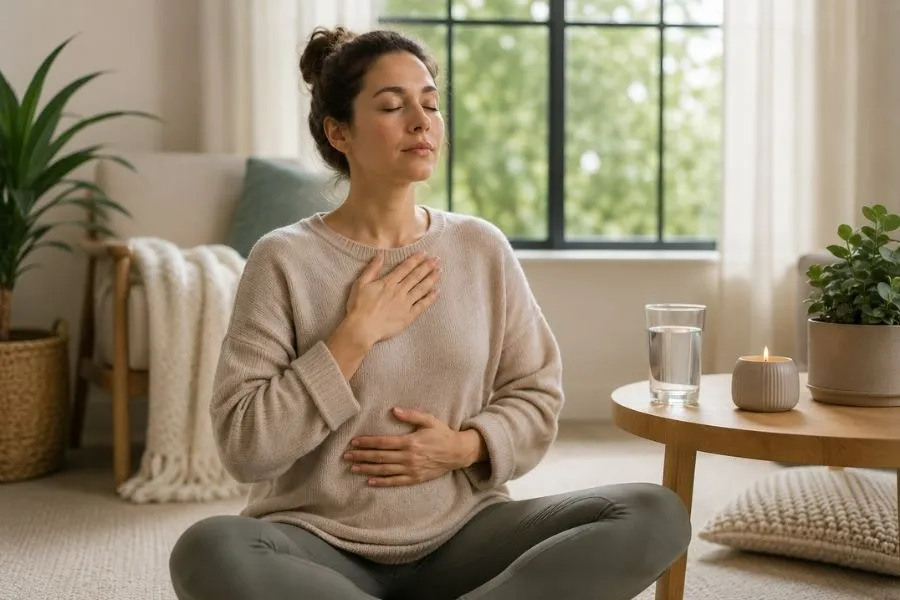
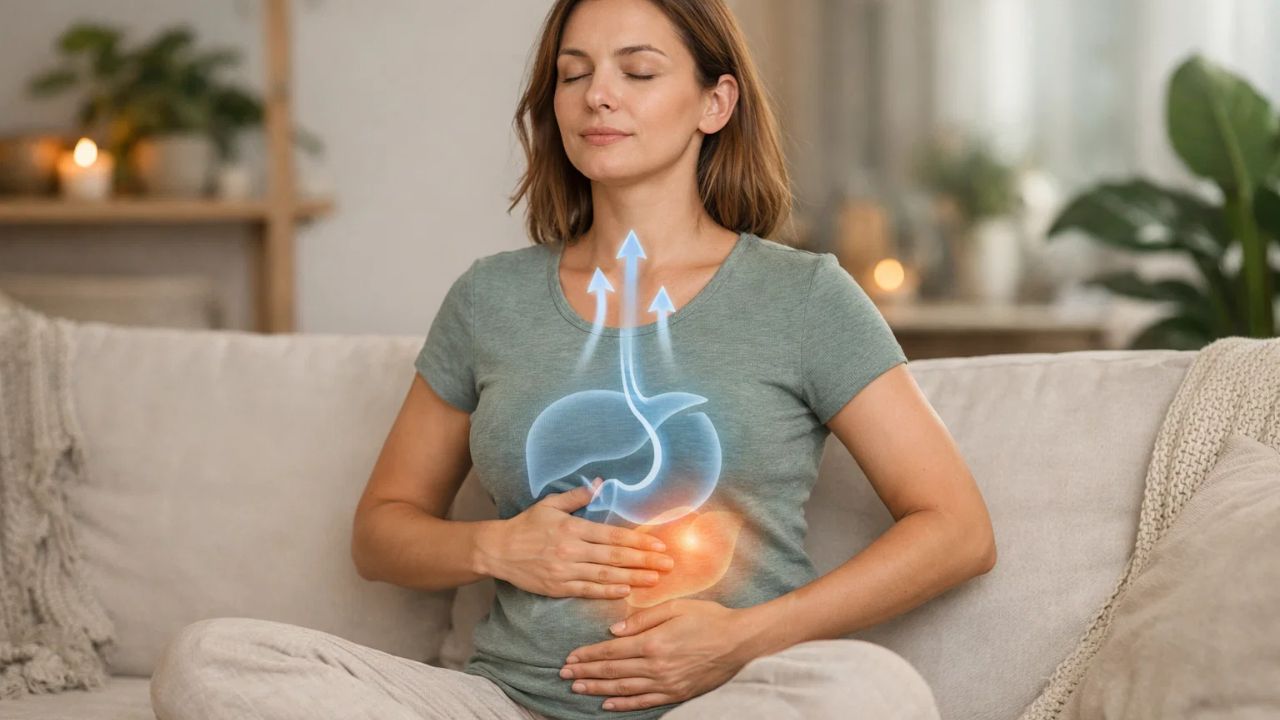
Diaphragmatic breathing, sometimes called belly breathing, helps you breathe lower and slower instead of staying stuck in shallow chest breathing.
Harvard Health describes deep abdominal breathing as one of the approaches used to help counter the stress response and support the relaxation response.
Try this:
- Place one hand on your lower ribs or belly.
- Inhale gently and let the lower ribs expand.
- Exhale slowly and let the body soften.
- Do not push the belly out aggressively.
- Keep the breath comfortable.
- If lying down feels easier, start there. If sitting feels better, sit upright with support.
For people with lung conditions, post-surgical discomfort, asthma, COPD, or unexplained shortness of breath, breathing exercises should stay gentle and should not replace medical care.
Posture can also affect how easily you breathe, especially if your chest and ribs feel tight.
4. Gentle Singing, Chanting, or Prayer
You do not have to call it a technique.
Singing quietly, chanting, humming, or repeating a calming phrase can all lengthen the exhale and create rhythm.
This can be especially useful if silent meditation makes you feel more anxious. Some people calm down more easily when the body has a sound or rhythm to follow.
Try:
- Soft humming
- Singing one slow verse of a song
- Repeating a calming phrase
- Chanting gently
- Reading a prayer aloud slowly
The point is not performance. The point is rhythm, vibration, and slow exhalation.
5. Gentle Gargling
Gargling is often mentioned in vagus nerve conversations because the vagus nerve has connections in the throat and voice area.
This is not magic, and it does not need to be extreme.
You can simply gargle water gently for 10–20 seconds after brushing your teeth. Stop if it feels uncomfortable, triggers coughing, or irritates your throat.
For sensitive lungs or reflux-prone people, keep it mild.
6. Cold Face Exposure
Cold exposure can affect the nervous system, but this is one area where I would be careful.
A gentle version is splashing cool water on the face or placing a cool cloth on the cheeks for a short time.
This is very different from intense cold plunges, ice baths, or extreme breath-holding practices.
Avoid cold exposure or ask your clinician first if you have heart rhythm issues, unstable blood pressure, fainting episodes, severe asthma, Raynaud’s, or a medical condition that makes temperature stress risky.
For most people, breathing and humming are a safer place to begin.
7. Relaxation Response Practices
The vagus nerve is not only about breathing mechanics. It is also about perceived safety.
Harvard Health describes relaxation response practices such as deep abdominal breathing, soothing words, visualization, yoga, and tai chi as ways to counter the stress response.
This matters because your nervous system responds to context.
A calmer evening environment, softer light, slower breathing, less noise, and a predictable bedtime rhythm may all support the same goal: helping the body downshift.
A Simple 5-Minute Vagus Nerve Routine
Here is a gentle routine you can try in the evening.
Minute 1: Settle
Sit comfortably.
Let your shoulders drop.
Relax your jaw.
Put one hand on your ribs or belly.
Minutes 2–3: Slow exhale breathing
Inhale for 3–4 seconds.
Exhale for 5–6 seconds.
Keep the breath soft.
Minute 4: Humming
Inhale gently.
Hum on the exhale.
Repeat 5–8 times.
Minute 5: Quiet finish
Sit still.
Notice your breathing.
Let the body breathe normally.
Do not judge whether it “worked.”
The goal is not to force calm. The goal is to practice safety.
If you are new to this, start with my guide to guided breathing techniques for beginners.
Vagus Nerve Stimulator Devices: What to Know Before Buying
This is where the topic needs extra honesty.
A vagus nerve stimulator device can mean very different things depending on the product.
1. Implanted medical VNS devices
These are medical devices placed under clinical care. Mayo Clinic explains that FDA-approved implanted VNS devices are used to treat epilepsy and depression.
This is not a wellness gadget. It requires medical evaluation and follow-up.
2. Non-invasive VNS devices
Some devices stimulate the vagus nerve or related nerve pathways through the skin. These may be used for specific medical indications or studied in clinical settings.
If a device is marketed for migraine, depression, epilepsy, PTSD, anxiety disorder, or another medical condition, speak with a licensed clinician before using it.
3. Consumer calming wearables
Some wellness wearables are marketed around stress, sleep, vagal tone, or nervous system regulation.
They may help some people build calming routines, but they should not be treated as the same thing as clinical vagus nerve stimulation.
Before buying any vagus nerve device, ask:
Is it a medical device or wellness device?
What is it actually approved or cleared for?
Is there published evidence for this exact device?
Does it have contraindications?
Can I use it if I have a pacemaker, implanted device, heart condition, seizure history, pregnancy, or neurological condition?
Does it make medical claims that sound too broad?
If the marketing sounds like it can fix everything, be skeptical.
Who Should Be Careful With Vagus Nerve Exercises or Devices?
Most gentle breathing and humming practices are low-risk for many people, but not everyone should push nervous system techniques aggressively.
Be careful and consider medical guidance if you have:
- A history of fainting or vasovagal syncope
- Heart rhythm issues
- A pacemaker or implanted electrical device
- Epilepsy or seizure history
- Severe asthma or unstable breathing symptoms
- Unexplained chest pain
- Severe panic attacks that worsen with breath focus
- Recent surgery
- Pregnancy with medical complications
- A diagnosed neurological condition
You should also stop any practice that causes dizziness, chest pain, tingling that worries you, air hunger, panic, or worsening symptoms.
Gentle is enough.
Common Mistakes People Make
Mistake 1: Forcing deep breaths
Bigger breaths are not always better. Overbreathing can make some people feel lightheaded or more anxious.
Mistake 2: Treating the vagus nerve like an on/off switch
The nervous system does not work like a light switch. Repetition matters more than intensity.
Mistake 3: Buying a device before building a routine
A device cannot replace daily habits. Start with breathing, humming, sleep rhythm, light, movement, and stress reduction.
Mistake 4: Ignoring medical symptoms
Shortness of breath, chest pain, fainting, wheezing, low oxygen, or new neurological symptoms should not be explained away as “just nervous system dysregulation.”
Mistake 5: Doing too much at once
If your system is sensitive, start with one minute. More is not always better.
Best Tools That May Support Vagus Nerve Practices
You do not need products to stimulate the vagus nerve gently. But some tools can help you build the habit.
1. Breath education book
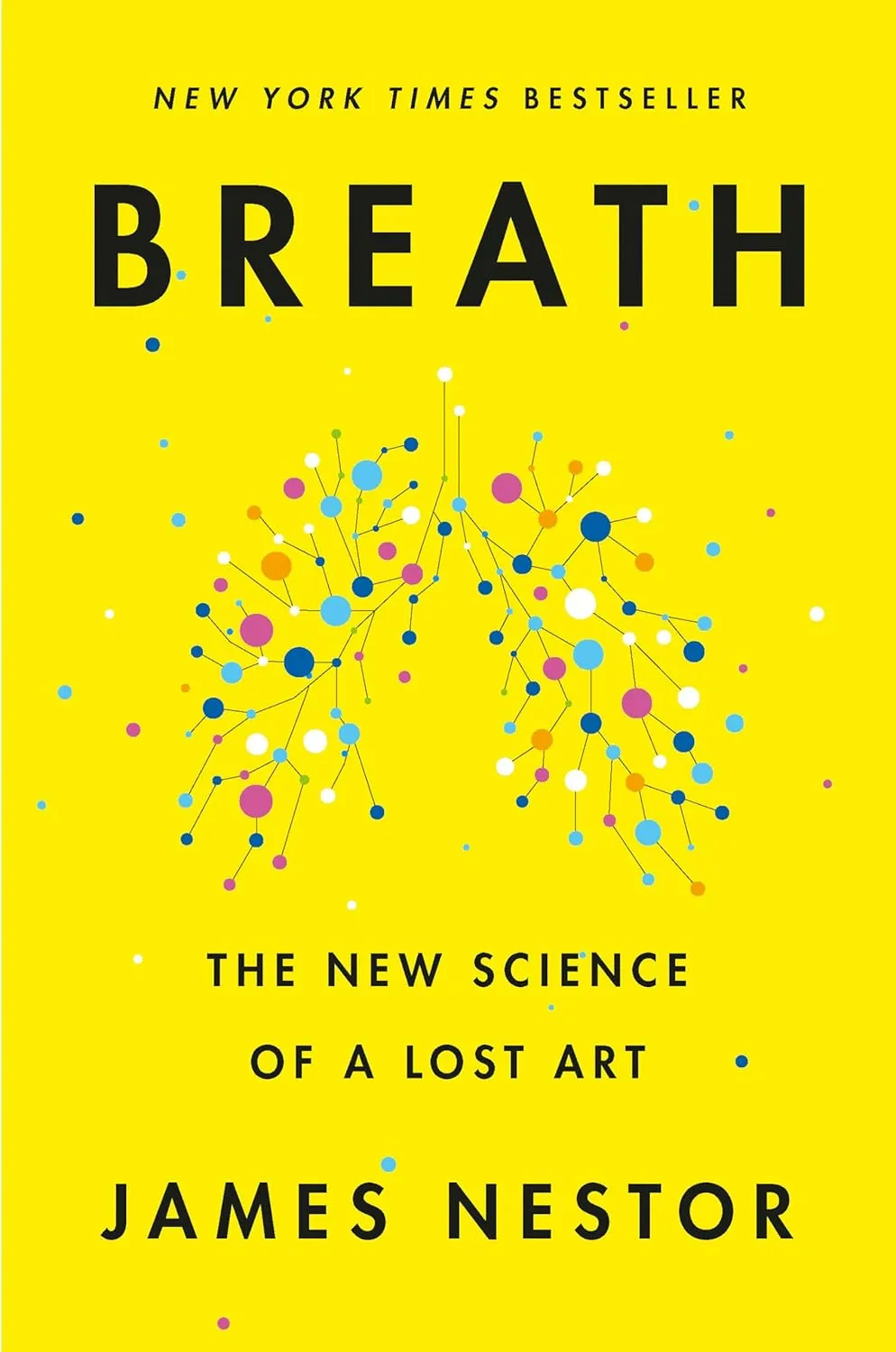
A book can help you understand why breathing patterns matter before you buy gadgets or try complicated protocols.
My recommended starting point is Breath: The New Science of a Lost Art by James Nestor. It is not a medical manual, but it is a very readable introduction to nasal breathing, mouth breathing, slow breathing, and the modern loss of breath awareness. Check price on Amazon
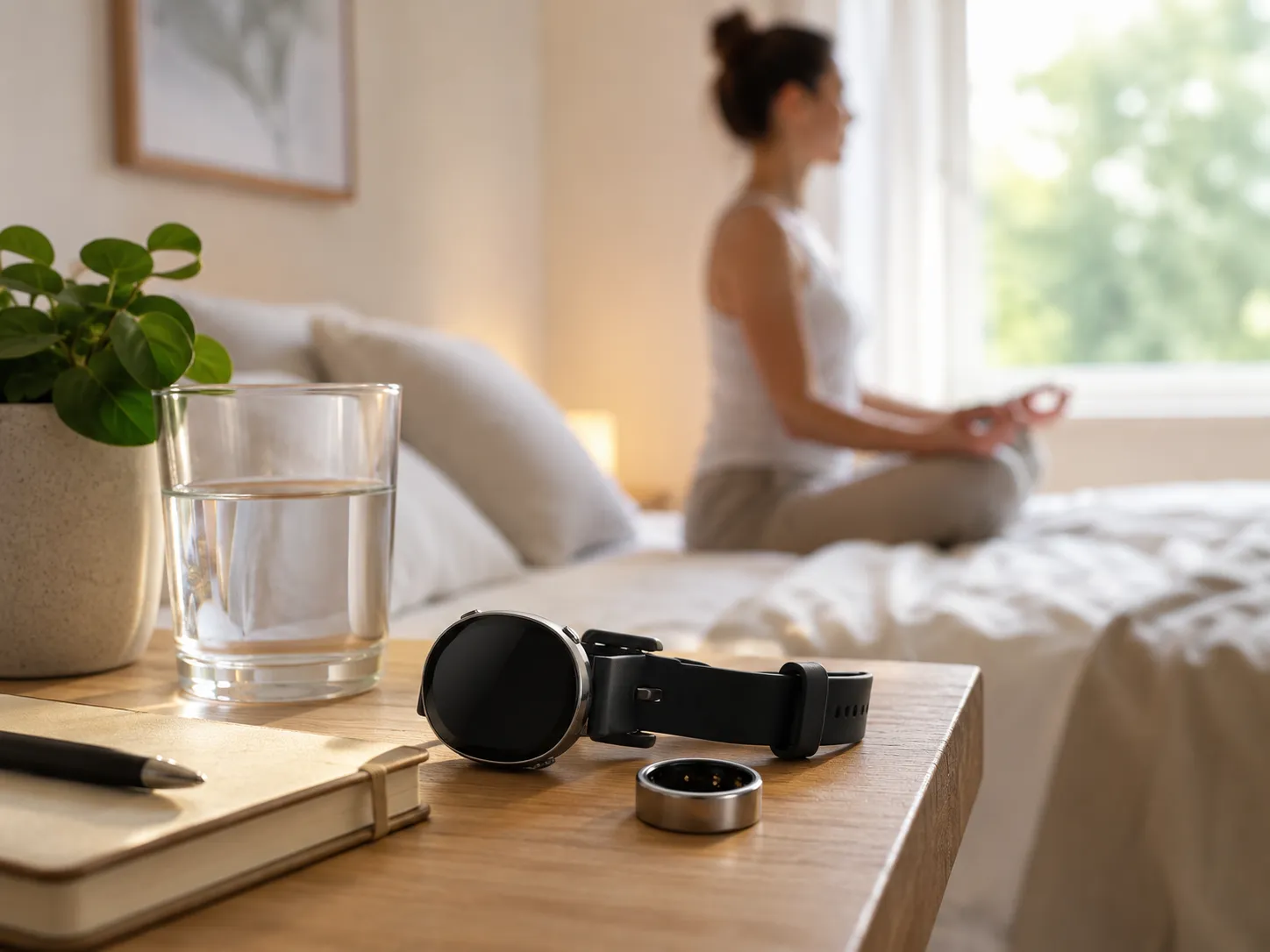
2. HRV tracker
An HRV tracker can help you see how sleep, stress, alcohol, illness, breathing, and recovery affect your nervous system over time.
Do not obsess over daily numbers. Use trends.
If you are comparing wearables, this Oura Ring vs WHOOP vs Fitbit tracker guide may help.
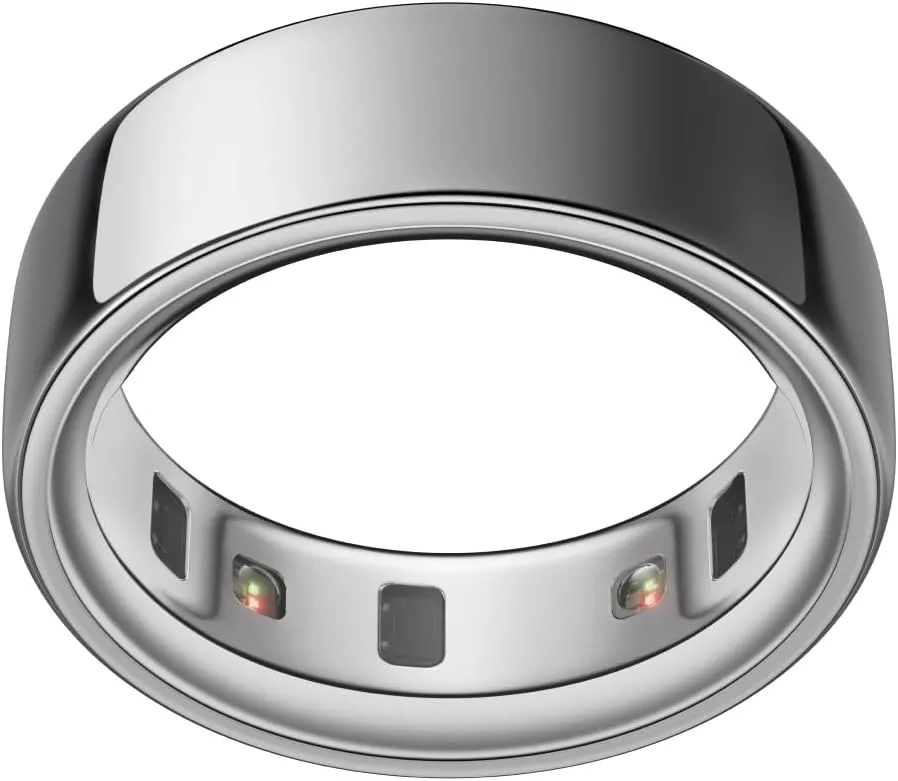
Best HRV Tracker for Nervous System Trends Monitor your recovery, sleep quality, and heart rate variability trends over time. This is a non-medical tracking device. Check Current Price
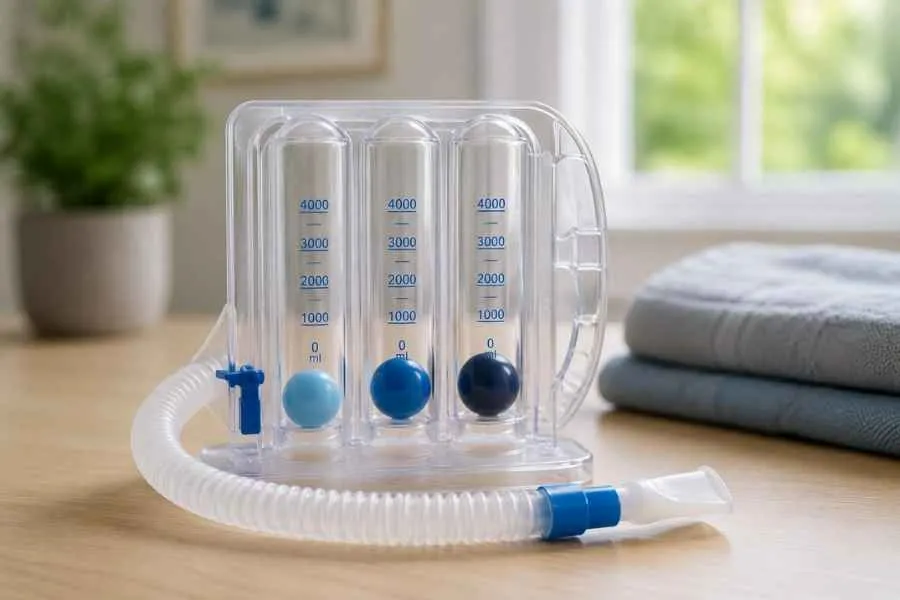
3. Breathing trainer or breathing app
A simple breathing pacer can help you slow down without counting in your head.
Look for gentle settings that allow longer exhales.
Best Guided Breathing Tool
Devices such as Moonbird provide paced breathing guidance that may help users build a consistent slow-breathing practice. Use as a relaxation and mindfulness tool, not as a medical treatment.
4. Meditation headphones or sleep headphones
Useful if sound helps you calm down.
Choose low-volume, comfortable options that do not make you feel overstimulated.

Best Headphones for Calming Breathing Routines
Comfortable open-ear headphones can make it easier to follow guided breathing exercises, meditation sessions, sleep stories, or relaxing audio before bed. View on Amazon
5. Journal
Writing down what calms your body can help you identify patterns.
Track simple things:
- Breathing practice
- Sleep quality
- Stress level
- Caffeine
- Evening screen time
- Symptoms
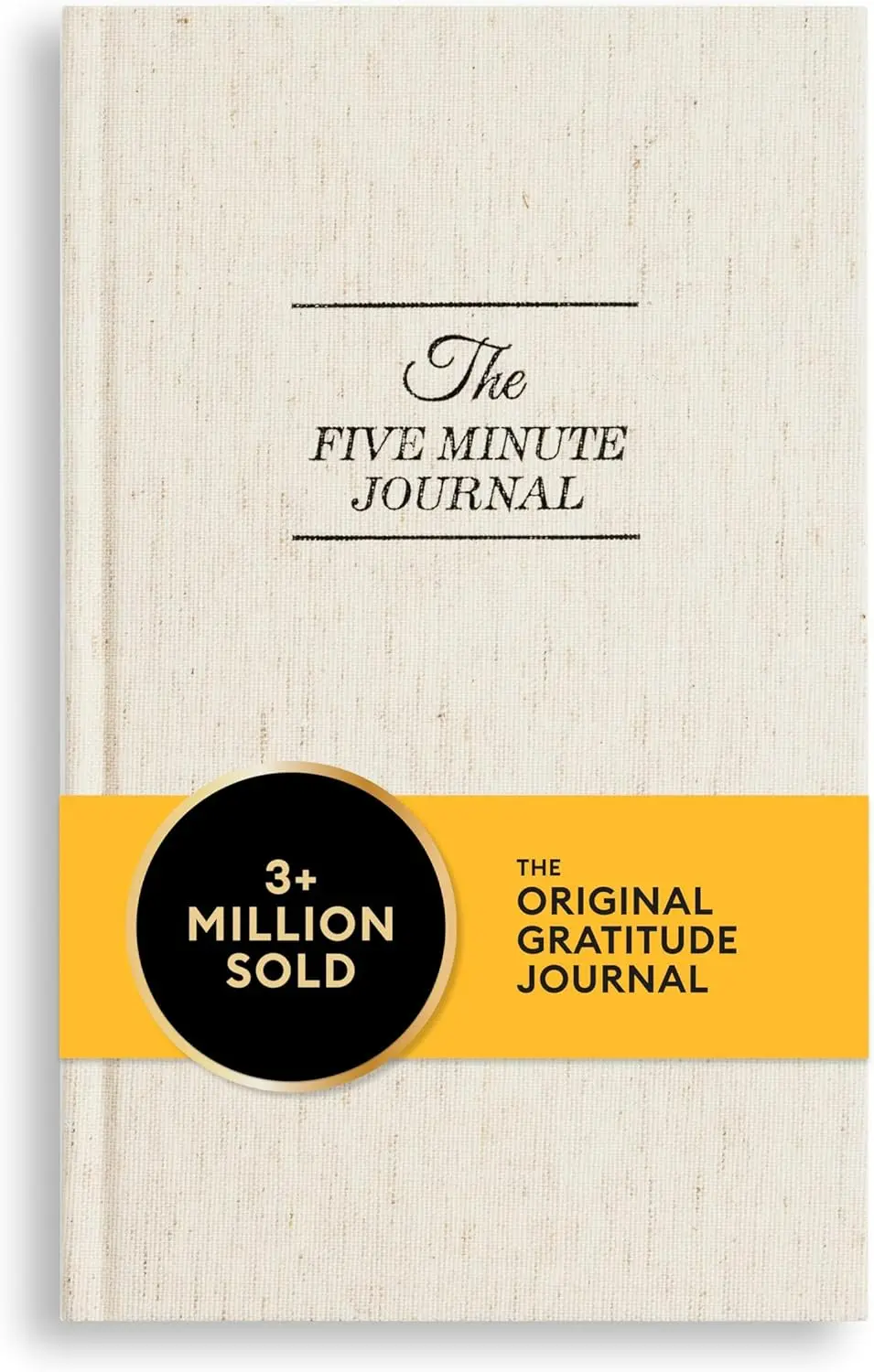
Best Journal for Stress and Habit Tracking
A simple journal can help you track breathing exercises, stress levels, sleep quality, symptoms, and daily habits. Consistent tracking may help you identify patterns over time. View Options
6. Consumer calming wearable
Some people like gentle vibration-based devices for stress routines. Treat them as habit-support tools, not medical VNS.
Always check safety guidance before use.
Best Vagus Nerve Exercises for Anxiety
For anxiety, I would start with the least intense options:
Slow exhale breathing
- Humming
- Diaphragmatic breathing
- Soft music
- Gentle walking
- Grounding through the feet
- A predictable evening routine
- If breath focus makes anxiety worse, use sound or movement instead.
For example, humming while walking slowly may feel easier than sitting still and watching your breath.
For a gentler starting point, see my guide to simple breathing techniques for anxiety.
Best Vagus Nerve Exercises Before Sleep
For sleep, keep it quiet and non-stimulating.
Try:
- Dim lights
- Put your phone away
- Do 2 minutes of slow exhale breathing
- Hum softly for 1 minute
- Stretch the neck and shoulders gently
- Let the practice end before it becomes effortful
A bedtime vagus nerve routine should feel boring in a good way.
Best Vagus Nerve Exercises for Breath Awareness
If your goal is calmer breathing, start with:
- Hands-on-ribs breathing
- Longer exhale breathing
- Humming
- Posture reset
- Slow nasal breathing if comfortable
- Do not force nasal breathing if you are congested, wheezing, or struggling for air.
For lung-sensitive readers, the priority is always comfort, safety, and medical guidance when symptoms are new or severe.
You can also read more about nasal vs mouth breathing and when each pattern matters.
Breathful Living Note
This article is for education and gentle self-care, not diagnosis or treatment. Vagus nerve exercises may support relaxation for some people, but they are not a substitute for medical care, therapy, pulmonary rehab, medication, or emergency care.
If you have chest pain, fainting, severe shortness of breath, low oxygen, new neurological symptoms, uncontrolled panic, or worsening breathing symptoms, seek medical help.
You can also explore gentle breathing techniques for respiratory health.
Final Verdict: What Is the Best Way to Stimulate the Vagus Nerve?
The best way to start is not with a device.
Start with the body.
Use slow breathing, longer exhales, humming, gentle sound, and a calmer evening rhythm. These are simple, low-cost practices that can help many people feel more grounded.
If you want to go deeper, Breath by James Nestor is a useful book to understand why modern breathing habits matter, especially around nasal breathing, mouth breathing, and slow breathing. Just remember that a book is education, not medical treatment.
If you later explore a vagus nerve stimulator device, be clear about what you are buying. A clinical VNS device is medical treatment. A consumer wearable is a wellness tool. They are not the same thing.
Breathful Living Note
This article is for education and gentle self-care, not diagnosis or treatment.
Vagus nerve exercises may support relaxation for some people, but they are not
a substitute for medical care, therapy, pulmonary rehabilitation, medication,
or emergency care.
FAQ
How do you stimulate the vagus nerve naturally?
Gentle ways to support the vagus nerve include slow breathing, longer exhales, humming, soft singing, chanting, diaphragmatic breathing, relaxation practices, and gentle movement. These practices are not medical treatments, but they may help the body shift toward a calmer state.
Does humming stimulate the vagus nerve?
Humming may support relaxation by lengthening the exhale and creating vibration in the throat and face. Research has also found that humming can increase nasal nitric oxide compared with quiet exhalation. It is best viewed as a simple calming practice, not a cure or guaranteed vagus nerve treatment.
What is the best breathing exercise for the vagus nerve?
A simple slow-exhale practice is a good place to start. Inhale gently for 3–4 seconds, then exhale slowly for 5–6 seconds. Repeat for 2–5 minutes without forcing the breath.
Are vagus nerve stimulator devices safe?
It depends on the device and the person using it. Implanted VNS devices are medical devices used under clinical care. Non-invasive and consumer devices vary widely. Speak with a clinician before using any electrical stimulation device if you have a pacemaker, heart rhythm issue, seizure history, pregnancy, neurological condition, or significant medical history.
Can vagus nerve exercises help anxiety?
They may help some people feel calmer by supporting slower breathing and relaxation. However, anxiety disorders, panic attacks, trauma symptoms, and severe distress may require professional support. If breathing exercises make anxiety worse, stop and try a gentler grounding method.
How often should you do vagus nerve exercises?
Start small. One to five minutes once or twice daily is enough for many people. Consistency is more important than intensity.
Can cold water stimulate the vagus nerve?
Cold exposure may influence the nervous system, but it is not appropriate for everyone. A cool face splash is gentler than ice baths or cold plunges. Avoid intense cold exposure if you have heart rhythm issues, fainting episodes, unstable blood pressure, severe asthma, or other medical concerns unless a clinician says it is safe.
Is vagus nerve stimulation the same as relaxation?
No. Relaxation practices may support parasympathetic activity, but medical vagus nerve stimulation refers to device-based therapy. The phrase is often used loosely online, so it is important to separate gentle self-care from clinical treatment.
Is Breath by James Nestor about the vagus nerve?
Breath is not specifically a vagus nerve medical guide. It is a popular science book about breathing habits, nasal breathing, mouth breathing, slow breathing, and the modern loss of breath awareness. It is useful background reading if you want to understand why breathing patterns matter.
{
“@context”: “https://schema.org”,
“@type”: “FAQPage”,
“mainEntity”: [
{
“@type”: “Question”,
“name”: “How do you stimulate the vagus nerve naturally?”,
“acceptedAnswer”: {
“@type”: “Answer”,
“text”: “Gentle ways to support the vagus nerve include slow breathing, longer exhales, humming, soft singing, chanting, diaphragmatic breathing, relaxation practices, and gentle movement. These practices are not medical treatments, but they may help the body shift toward a calmer state.”
}
},
{
“@type”: “Question”,
“name”: “Does humming stimulate the vagus nerve?”,
“acceptedAnswer”: {
“@type”: “Answer”,
“text”: “Humming may support relaxation by lengthening the exhale and creating vibration in the throat and face. Research has also found that humming can increase nasal nitric oxide compared with quiet exhalation. It is best viewed as a simple calming practice, not a cure or guaranteed vagus nerve treatment.”
}
},
{
“@type”: “Question”,
“name”: “What is the best breathing exercise for the vagus nerve?”,
“acceptedAnswer”: {
“@type”: “Answer”,
“text”: “A simple slow-exhale practice is a good place to start. Inhale gently for 3 to 4 seconds, then exhale slowly for 5 to 6 seconds. Repeat for 2 to 5 minutes without forcing the breath.”
}
},
{
“@type”: “Question”,
“name”: “Are vagus nerve stimulator devices safe?”,
“acceptedAnswer”: {
“@type”: “Answer”,
“text”: “It depends on the device and the person using it. Implanted VNS devices are medical devices used under clinical care. Non-invasive and consumer devices vary widely. Speak with a clinician before using any electrical stimulation device if you have a pacemaker, heart rhythm issue, seizure history, pregnancy, neurological condition, or significant medical history.”
}
},
{
“@type”: “Question”,
“name”: “Can vagus nerve exercises help anxiety?”,
“acceptedAnswer”: {
“@type”: “Answer”,
“text”: “They may help some people feel calmer by supporting slower breathing and relaxation. However, anxiety disorders, panic attacks, trauma symptoms, and severe distress may require professional support. If breathing exercises make anxiety worse, stop and try a gentler grounding method.”
}
},
{
“@type”: “Question”,
“name”: “How often should you do vagus nerve exercises?”,
“acceptedAnswer”: {
“@type”: “Answer”,
“text”: “Start small. One to five minutes once or twice daily is enough for many people. Consistency is more important than intensity.”
}
},
{
“@type”: “Question”,
“name”: “Can cold water stimulate the vagus nerve?”,
“acceptedAnswer”: {
“@type”: “Answer”,
“text”: “Cold exposure may influence the nervous system, but it is not appropriate for everyone. A cool face splash is gentler than ice baths or cold plunges. Avoid intense cold exposure if you have heart rhythm issues, fainting episodes, unstable blood pressure, severe asthma, or other medical concerns unless a clinician says it is safe.”
}
},
{
“@type”: “Question”,
“name”: “Is vagus nerve stimulation the same as relaxation?”,
“acceptedAnswer”: {
“@type”: “Answer”,
“text”: “No. Relaxation practices may support parasympathetic activity, but medical vagus nerve stimulation refers to device-based therapy. The phrase is often used loosely online, so it is important to separate gentle self-care from clinical treatment.”
}
},
{
“@type”: “Question”,
“name”: “Is Breath by James Nestor about the vagus nerve?”,
“acceptedAnswer”: {
“@type”: “Answer”,
“text”: “Breath is not specifically a vagus nerve medical guide. It is a popular science book about breathing habits, nasal breathing, mouth breathing, slow breathing, and the modern loss of breath awareness. It is useful background reading if you want to understand why breathing patterns matter.”
}
}
]
}